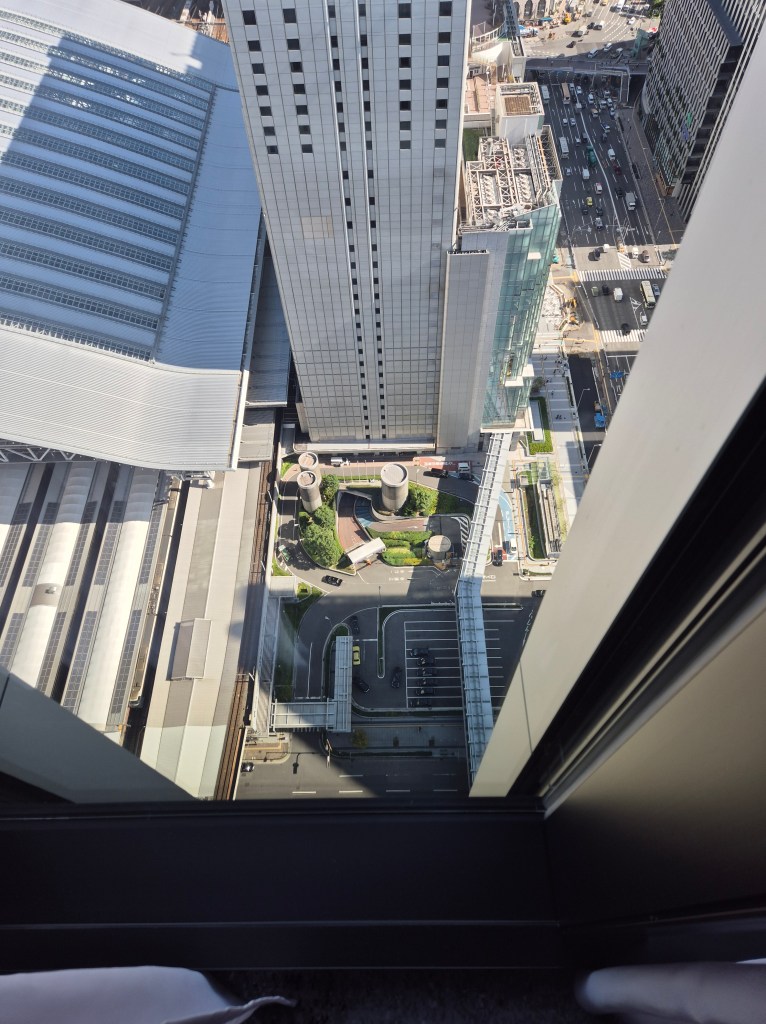
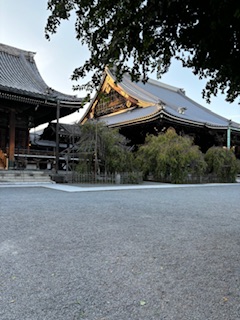
Released from the group into the Japanese wilderness we left Iruka by bus, caught the 4 hour train to Osaka and said our goodbyes. Our temporary new home was a 30+ storey hotel over the station but our early arrival meant we could catch a bullet train to Kyoto for some sightseeing. However, being a Sunday, when many Japanese go out for the day, this proved to be a bad day, with the town and trains all crammed.
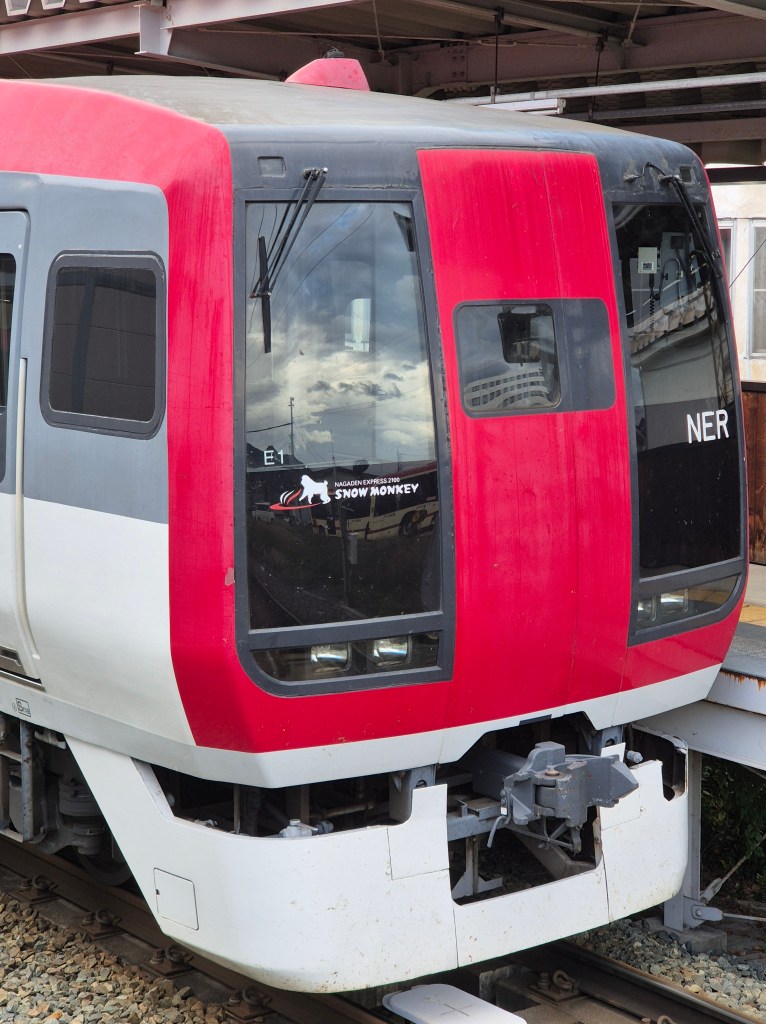
The following day was a marathon travel day with trains from Osaka to Tsuruga, then to Nagano and, finally, by private train (the Snow Monkey Express) to Yudanaka, arriving after dark.
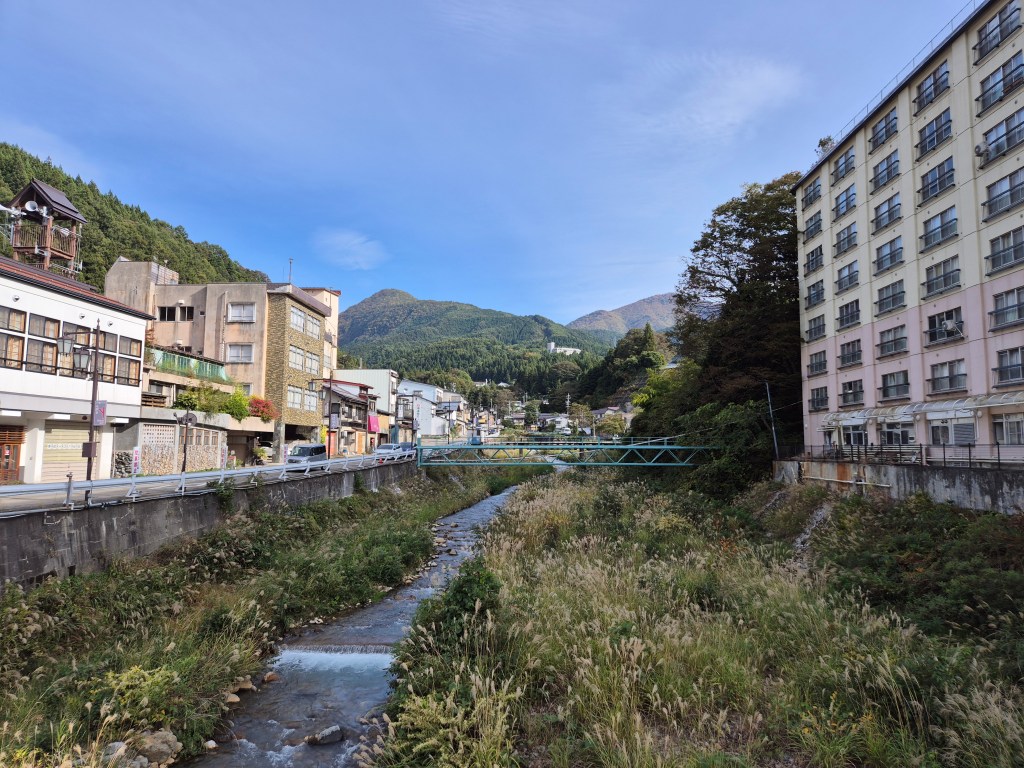
Our ryokan (inn) was rustic but fully functional with it’s own onsen and within walking distance of the all-important 7-Eleven.
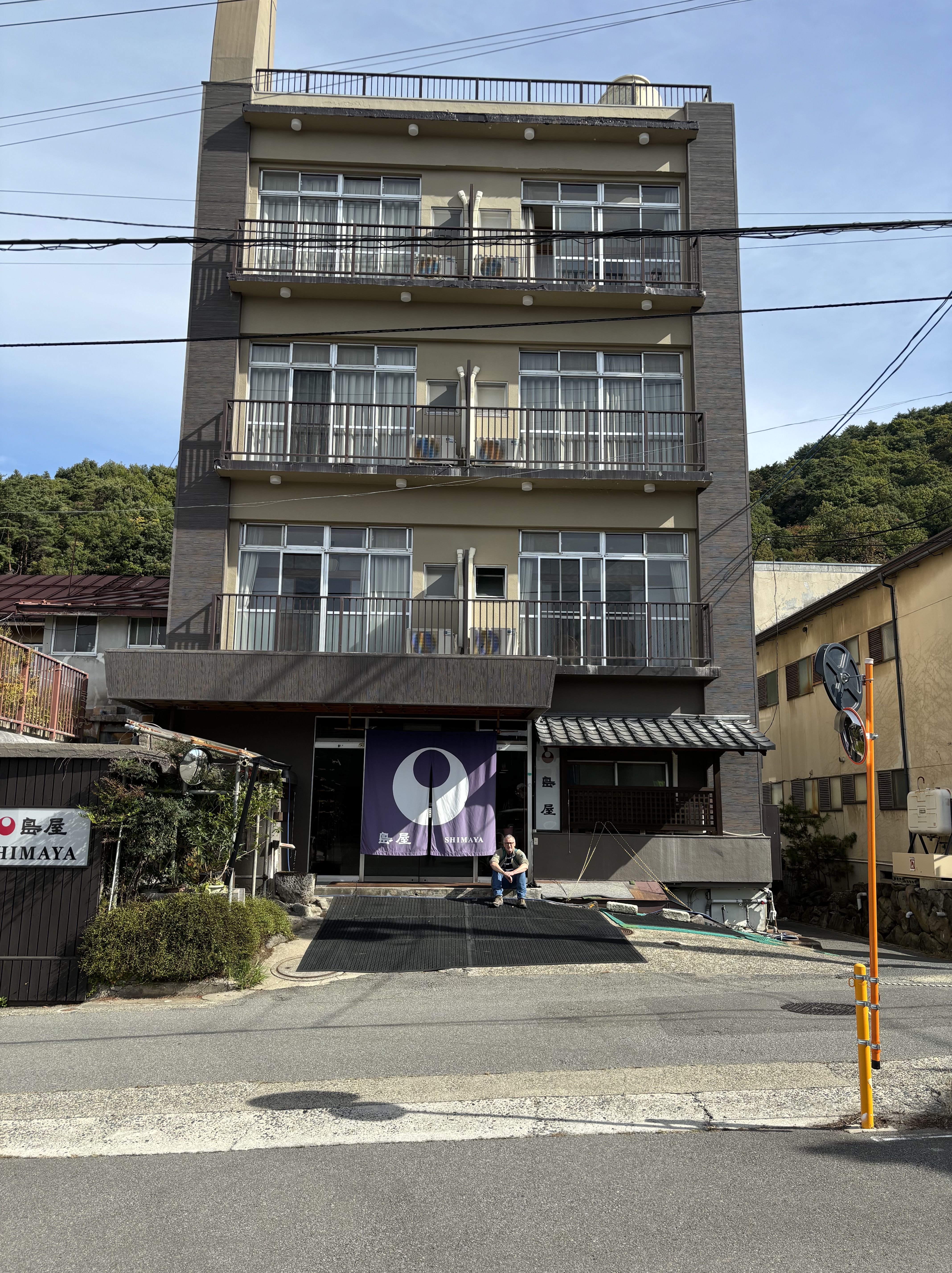

In the morning the owner’s wife dropped us off at the entrance to the Jigokudani Monkey Park and we walked up the long trail, fully expecting to see nothing as the monkeys tend to remain in the forest in the autumn.
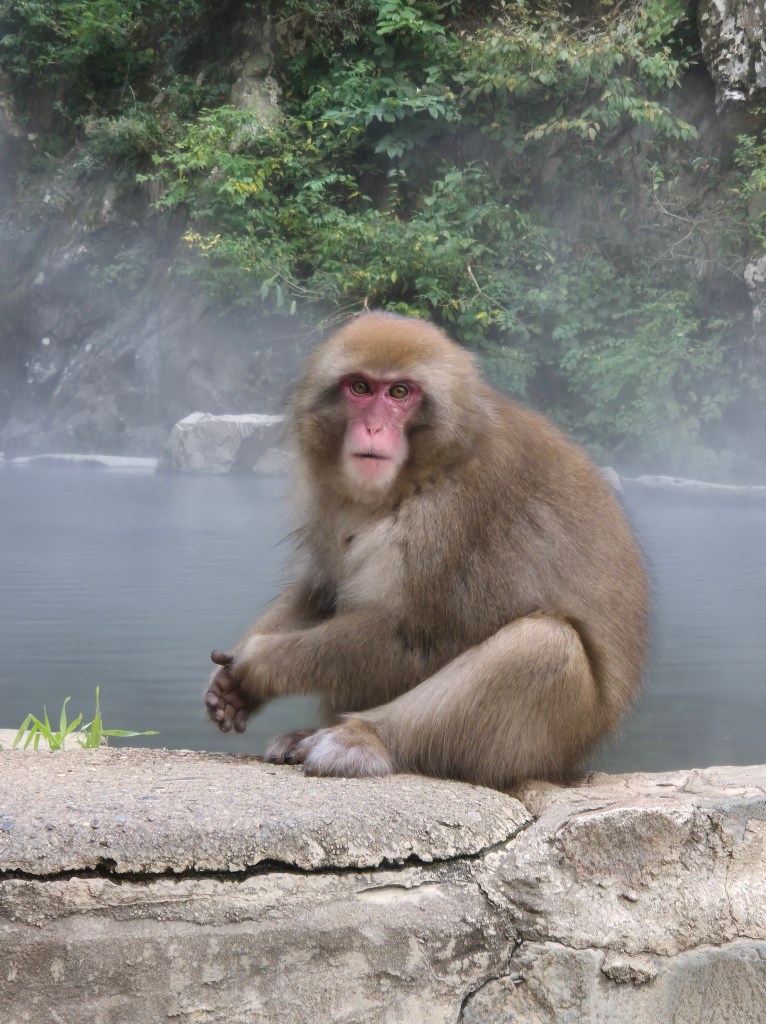
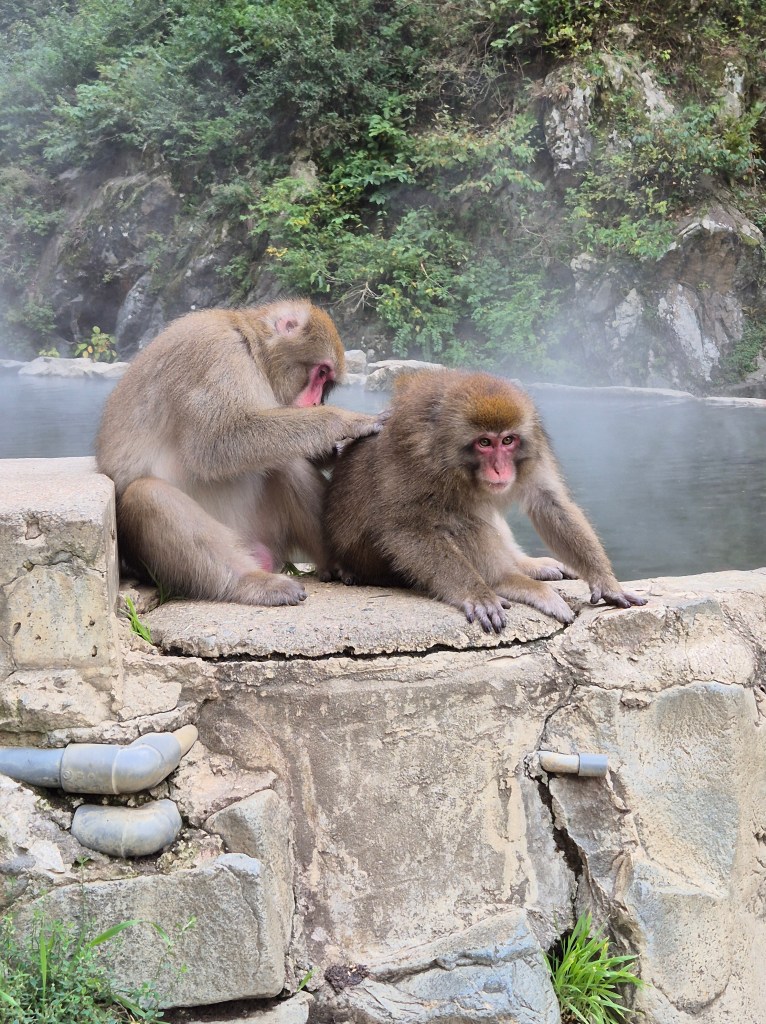
We were lucky, after a 2 week absence, they decided to come down from the mountain. They spent most the time preening each other and sitting by the hot spring.
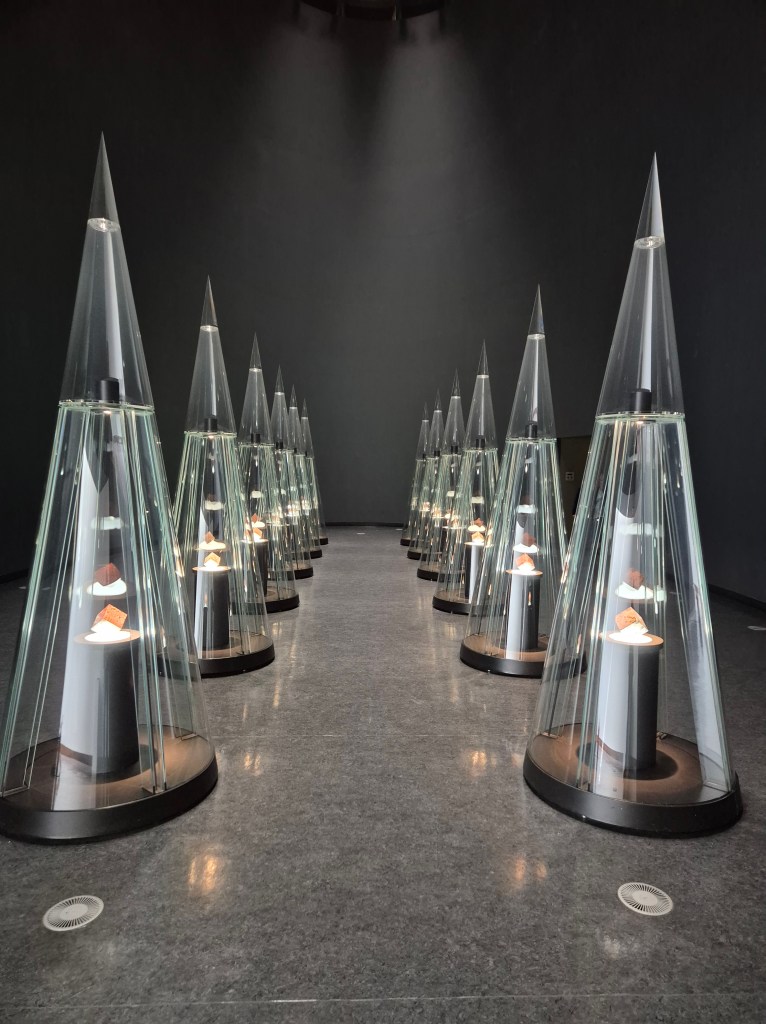
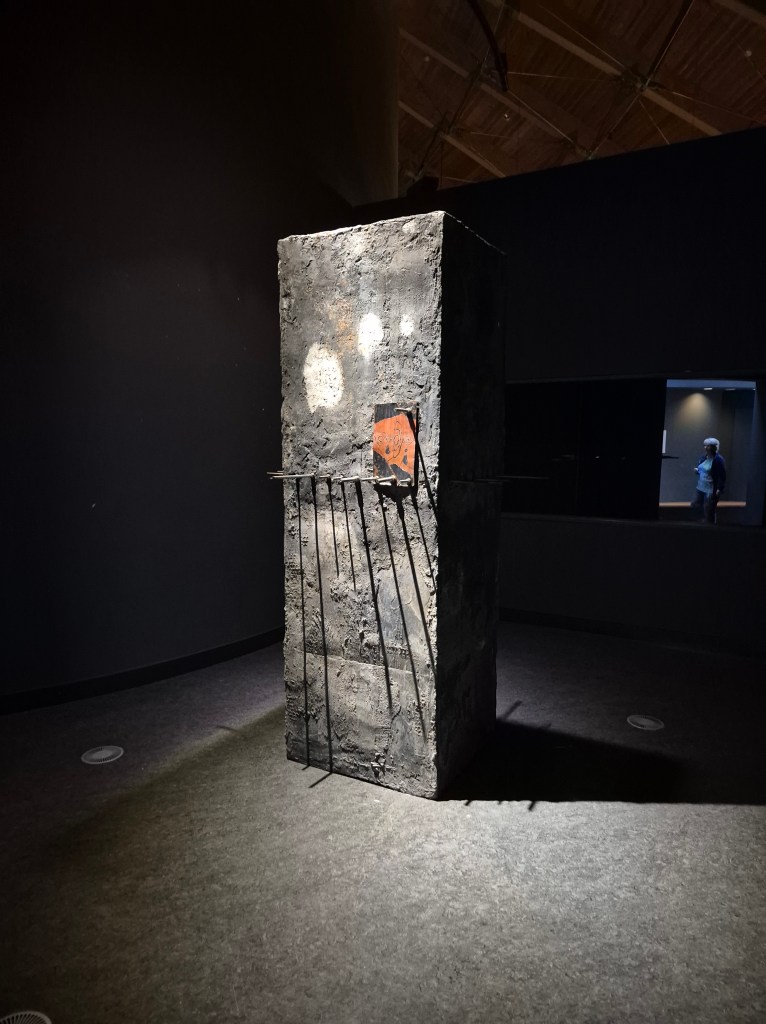
We then slowly walked back to the hotel, via an art gallery with a name which implied there were roman artifacts within, We didn’t stay long.
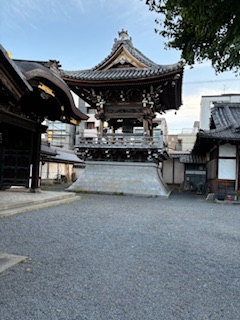
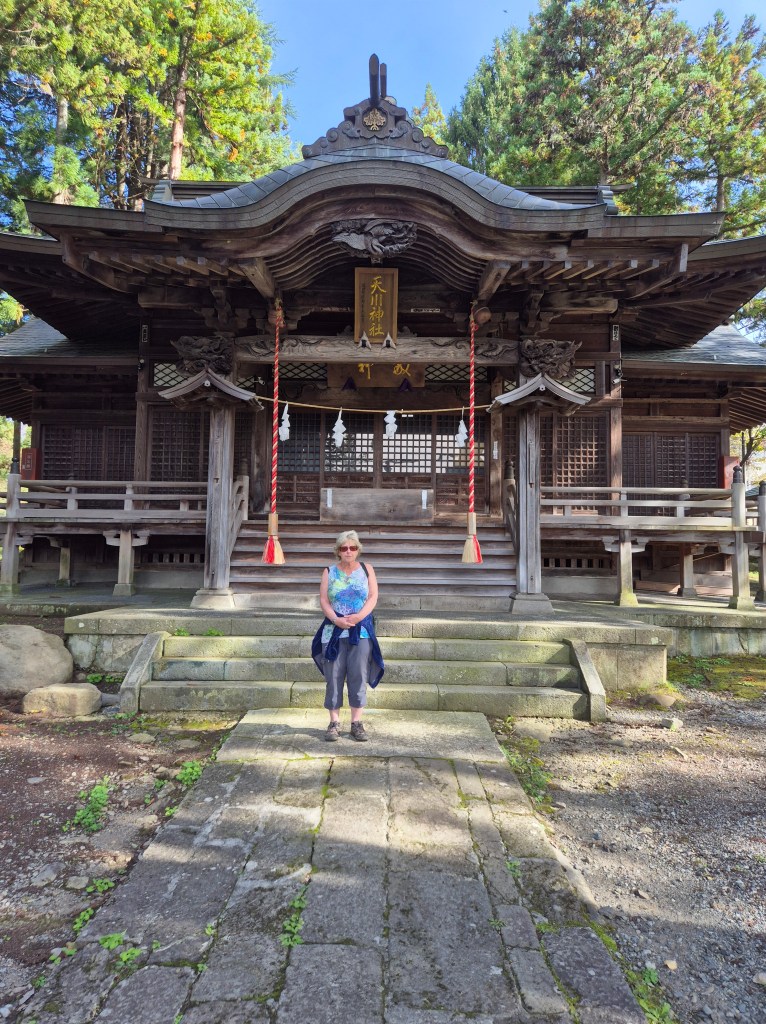
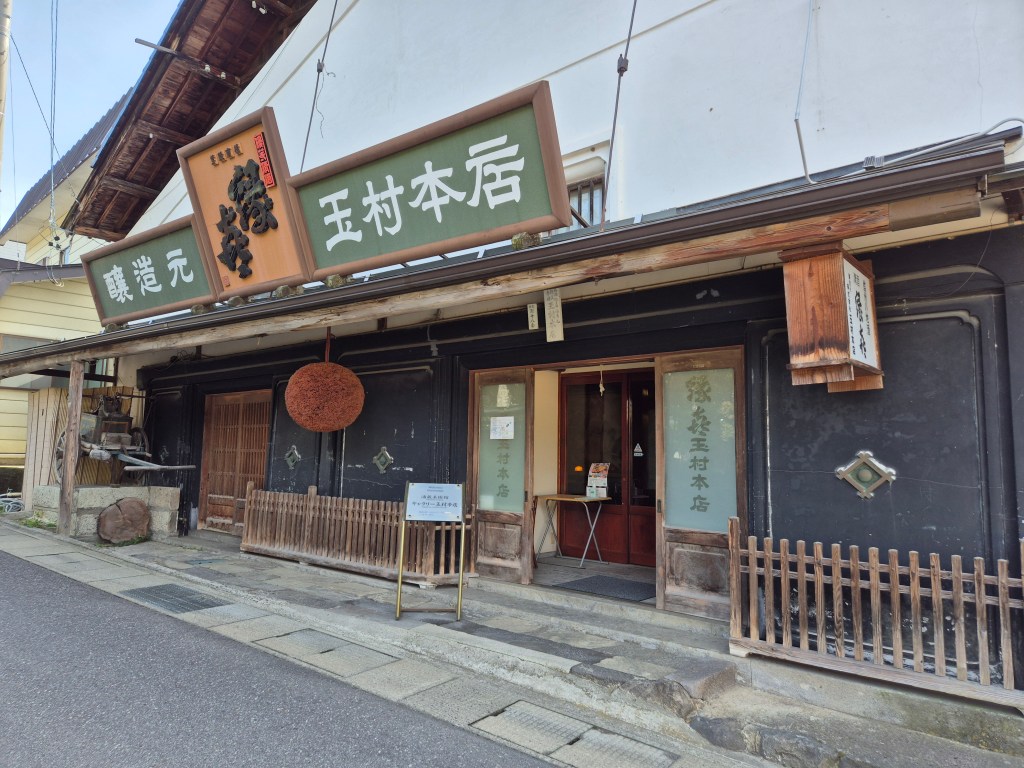
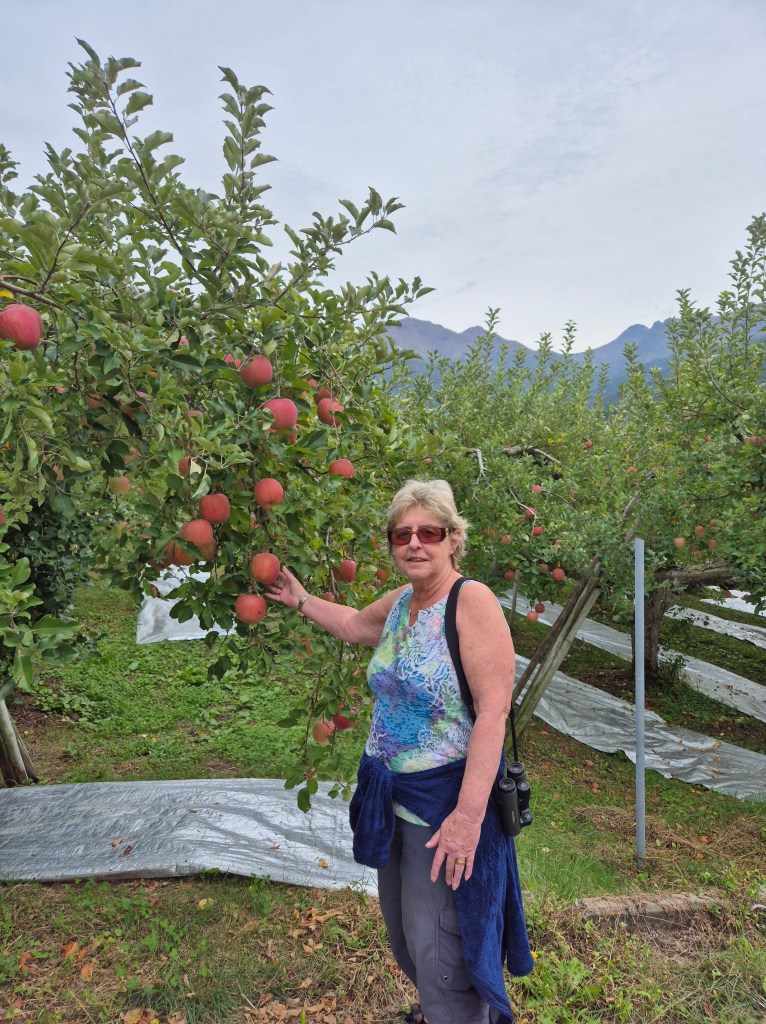
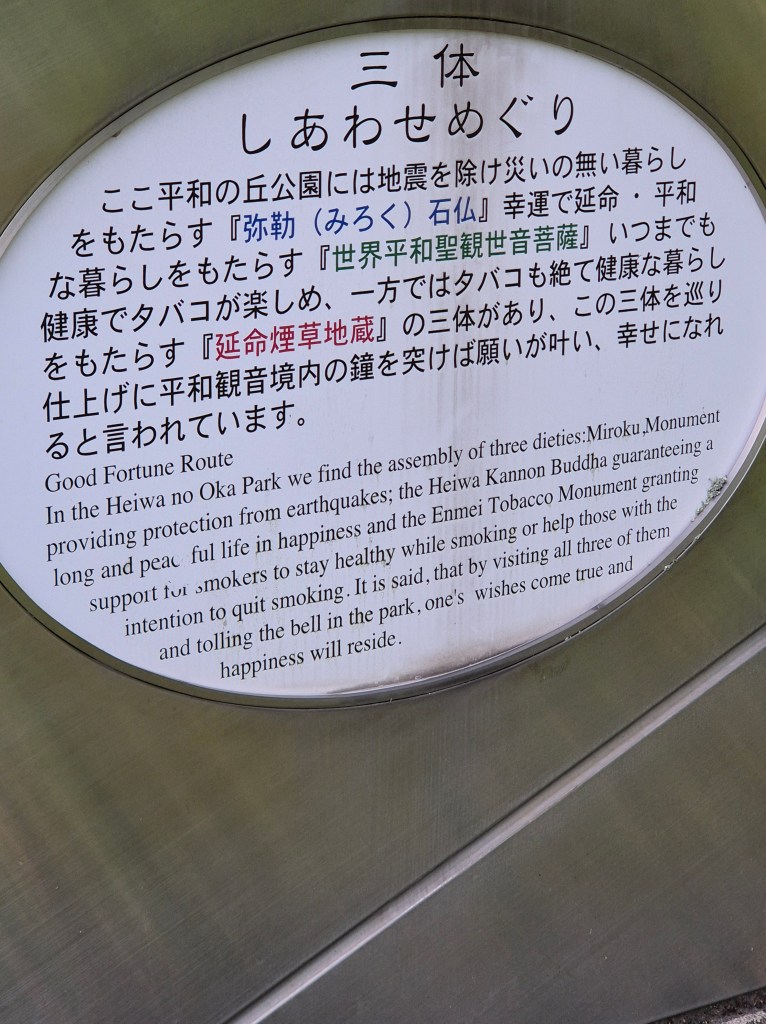
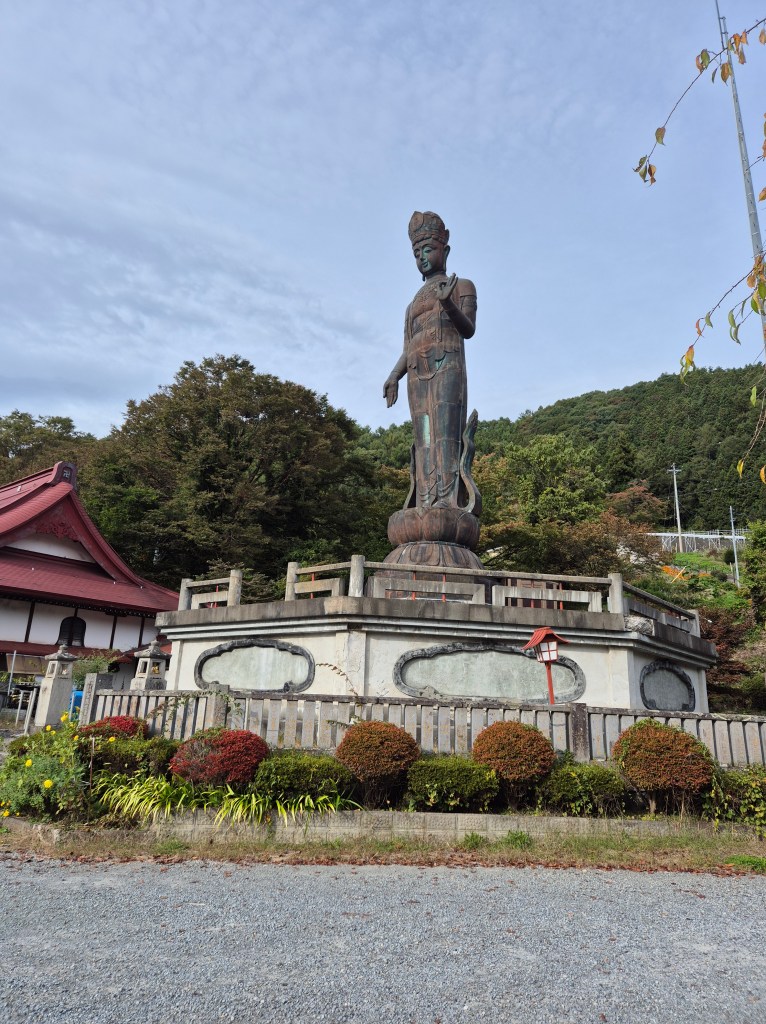
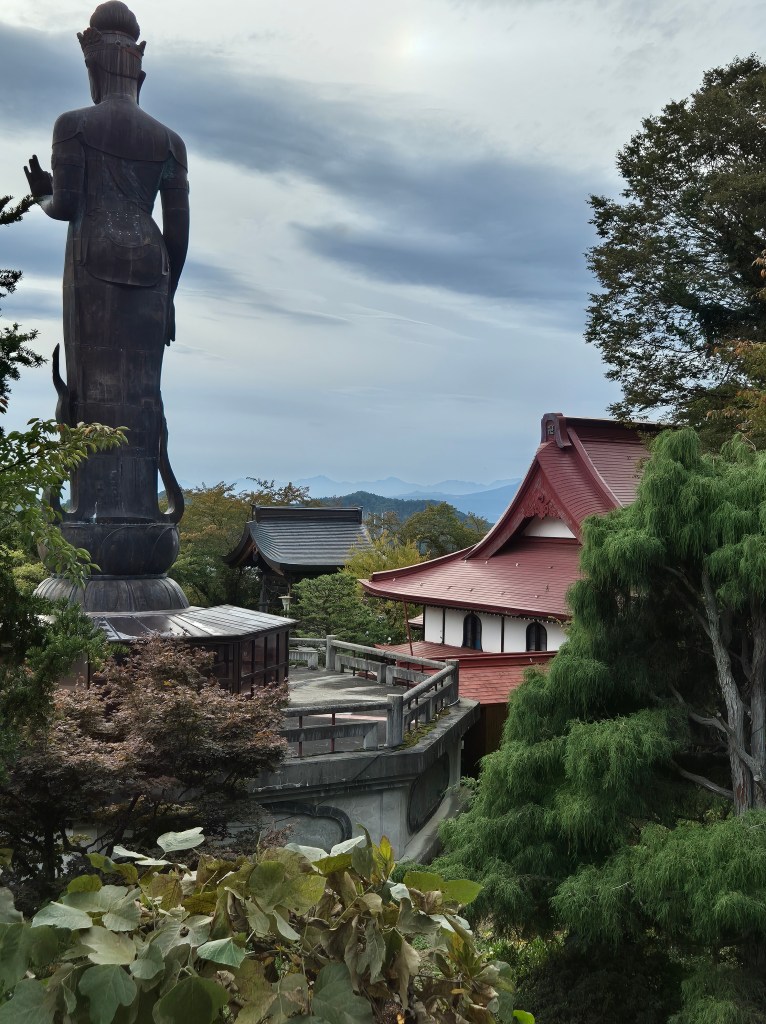
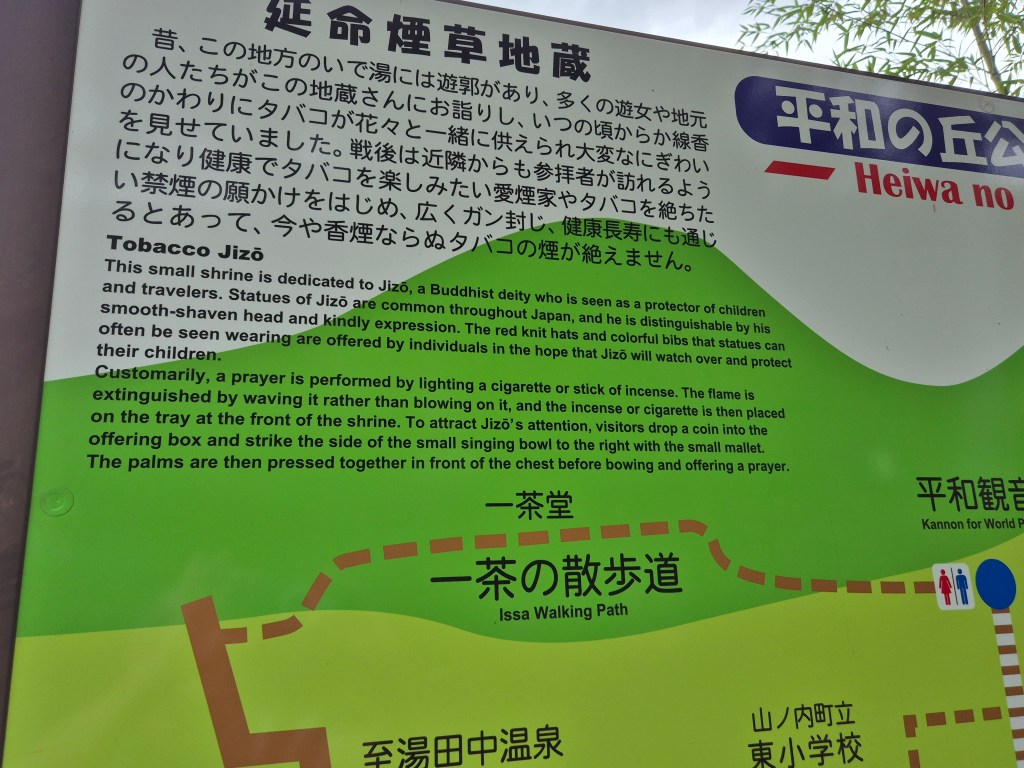
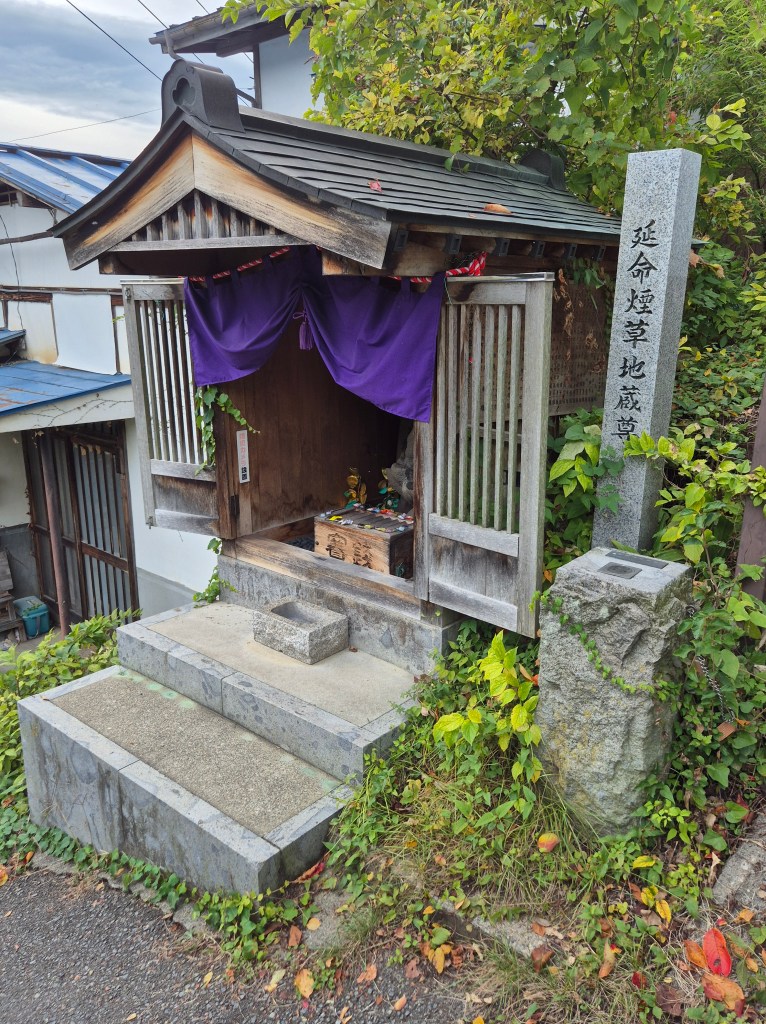
Descending the hill we passed by a temple, an assemblage of 3 deities, a sake museum, the famous apples of the region, the bell of world peace and some nature.
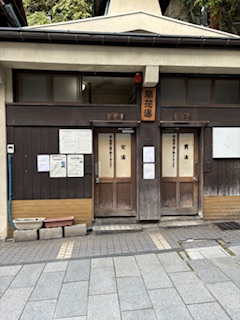
We wandered through the old town of Shibu Onsen, famous for …….Public Onsen. There are 7 and you get a stamp at each one to fulfill good fortune.


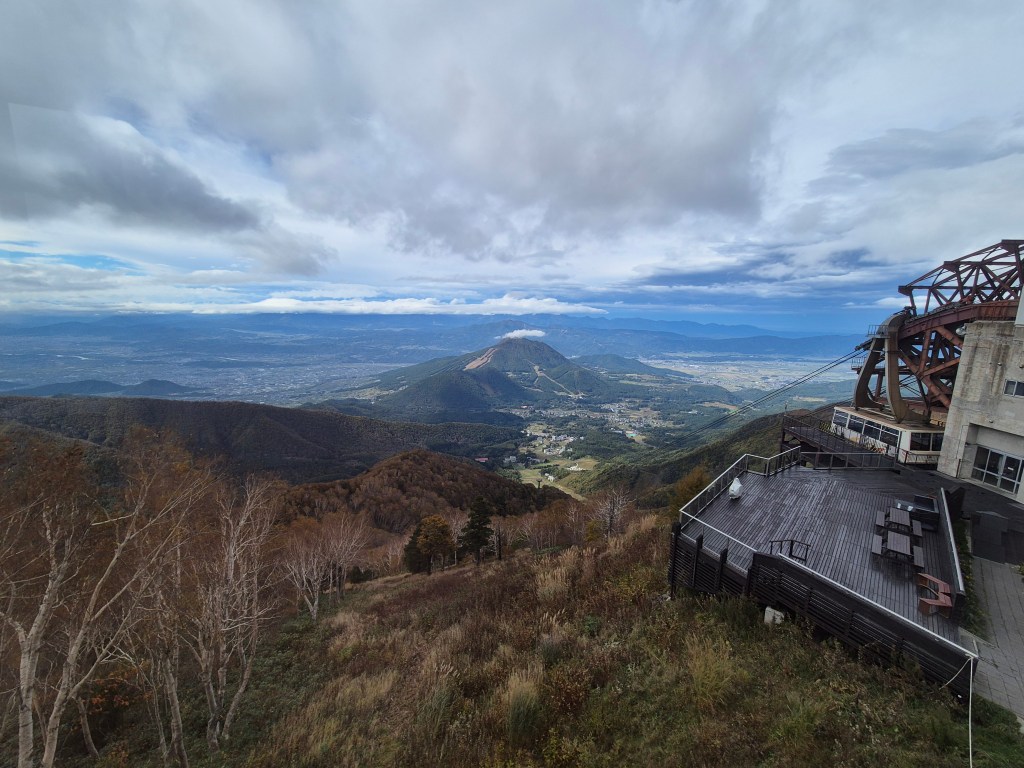
Day 2 was spent in the nearby ski area at Sora Terrace before packing up and heading to Yokohama via Tokyo.
We were now experts at using our Japan rail pass, finding the correct station platform and negotiating the crowds. Japan trains sing to you as they arrive and depart in a jingley type of way. Once onboard, they announcements are in Japanese and English which is helpful. There are no buffets onboard but numerous vending machines on the platforms that sell bottles of drink including hot coffee and cafe latte that are surprisingly drinkable and cost 80p.
They also have unstaffed, quick stop shops to get sandwiches, drinks and snacks that have honesty payment by card. Maybe a siren goes off if you try and walk out without paying, we didn’t try it.
Arriving in Tokyo station was daunting with thousands of people milling around and us trying to find the train to Shin Yokohama. More English was spoken here so we found our way.
We stayed at Associa Hotel in a large tower block above the station. We met up with Keiko, Danny, Ruth, Lynne and Tye for a last night together before the later 3 moved on to the next part of their trip. We had an enjoyable meal together, discussions about how wonderful the trip had been and a hope we would meet up back in the UK next year for a reunion or at least at the annual Japanese reception we usually go to.
The last part of our trip was about to begin as we drove from Yokohama to stay at a small hotel in Tatebayashi. We enjoyed a meal out locally, luckily Danny was with us to translate and help us choose interesting dishes.
On 26th October, we met with Mr Tobe Jnr and Mrs Noriko Okaya ( a city council member). This had been a long time arranging. My wish was to have a meeting with the son of the Japanese soldier my father had 2 photos of, which he had kept in his memories of his time in Singapore as a FEPOW and at last it was to happen with huge thanks to Keiko. She had found him with the information on the back of the photograph.
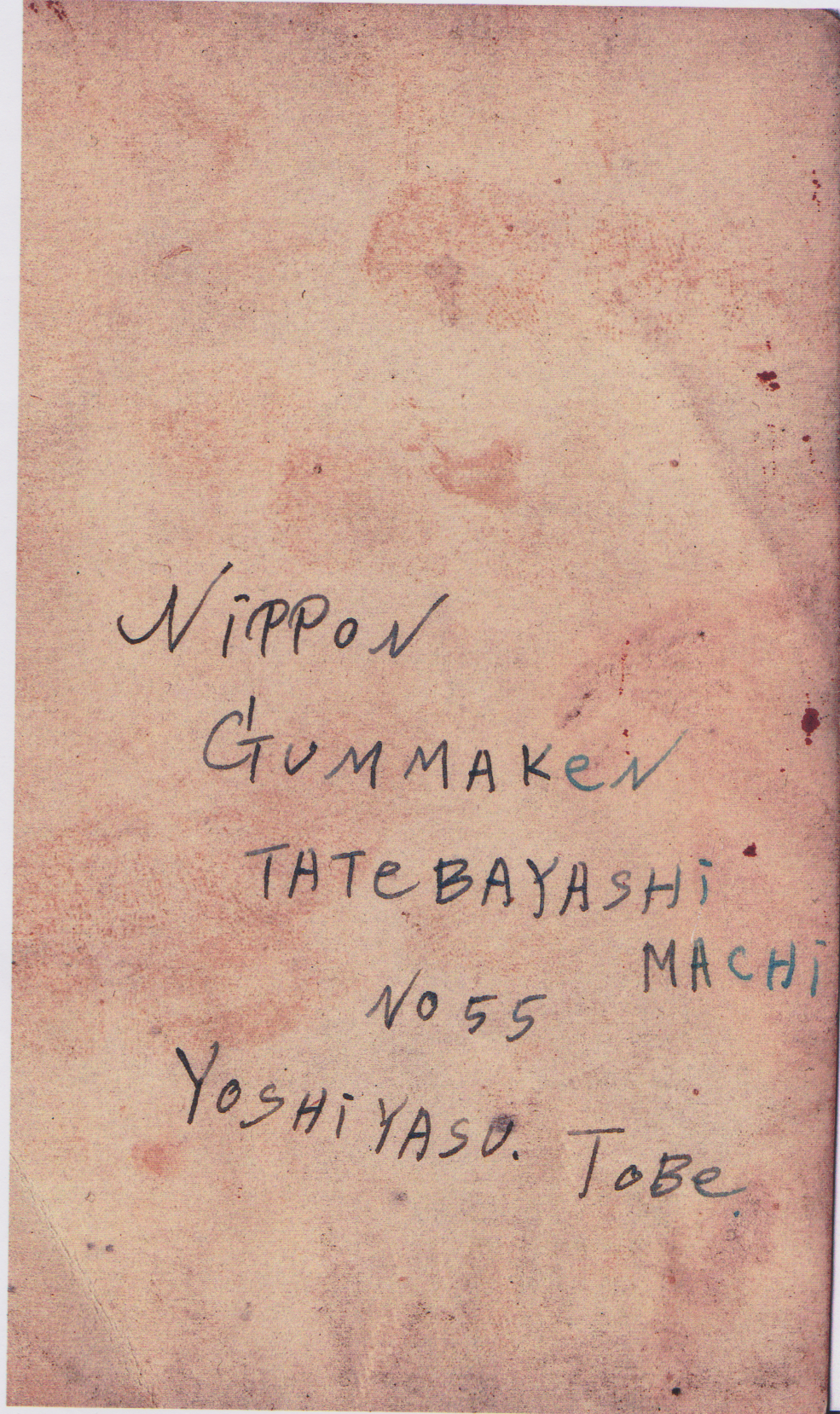
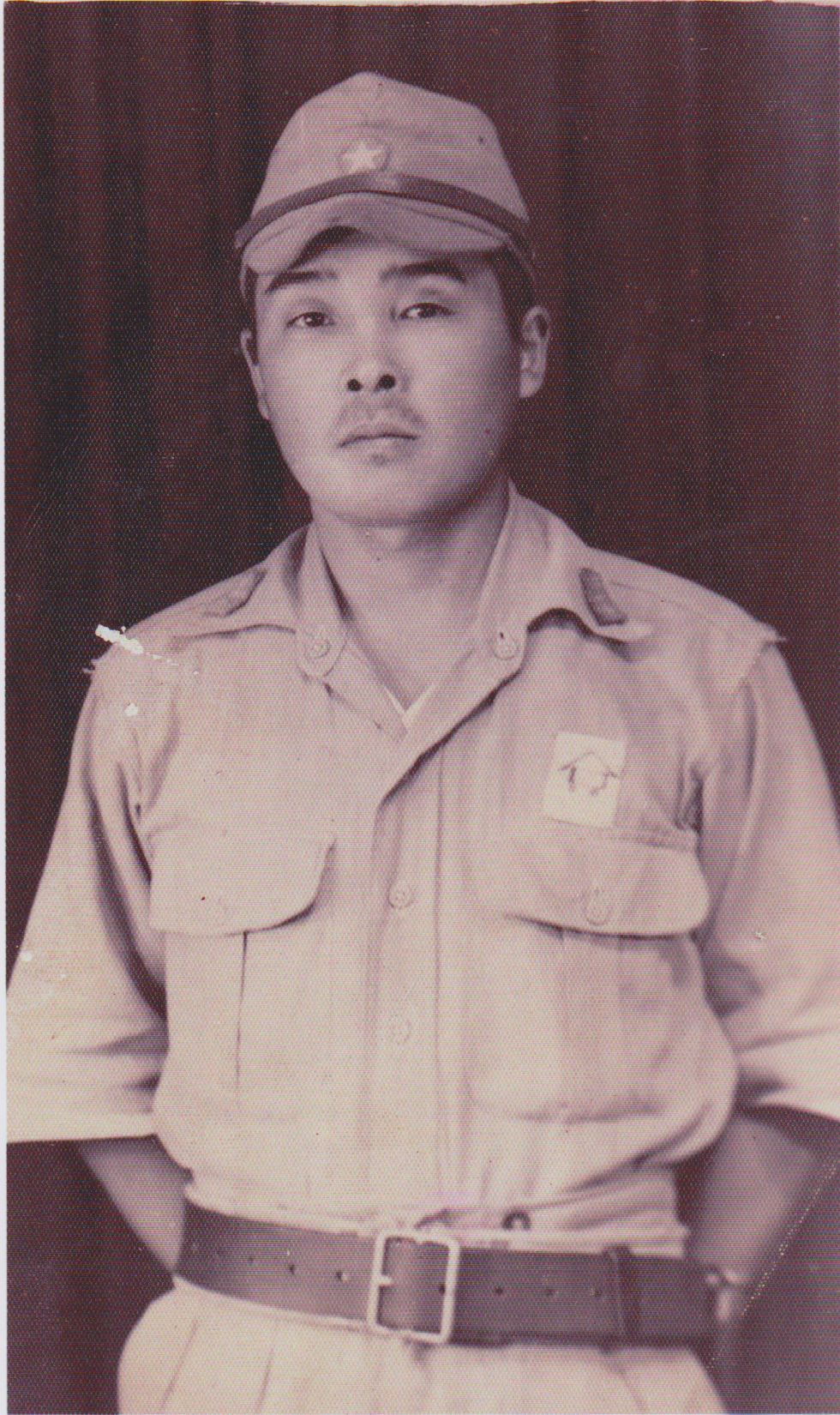
We were due to meet at the hotel at 10am but when we went down early they were already there. He recognised me from a photo Keiko had sent him,they were both wearing masks, so presumed it was him as they stood up when we arrived.
We shook hands and then I did a very unjapanese thing and gave him a hug. We had a few minutes alone before Keiko arrived and he had a great app on his phone that immediately translated whenever either of us spoke, so we had a brief conversation.
We were then given a brief tour of the area, going to a lake, famous for its swans and fishing and a quick trip to the Guam Art gallery to see an exhibition by Joan Miró (1893–1983) who most of you will know as a leading Spanish master of the twentieth century. There were also sculptures with another Barbara Hepworth!


We went to the local temple where we took part in a ceremony to honour his father and to thank me for visiting his grave. A Buddhist priest chanted and rang various bells and singing bowls. We were then invited to throw incense on a burning plate, bow to the inner temple and bow again. It was very spiritual even if we weren’t really sure what was going on.
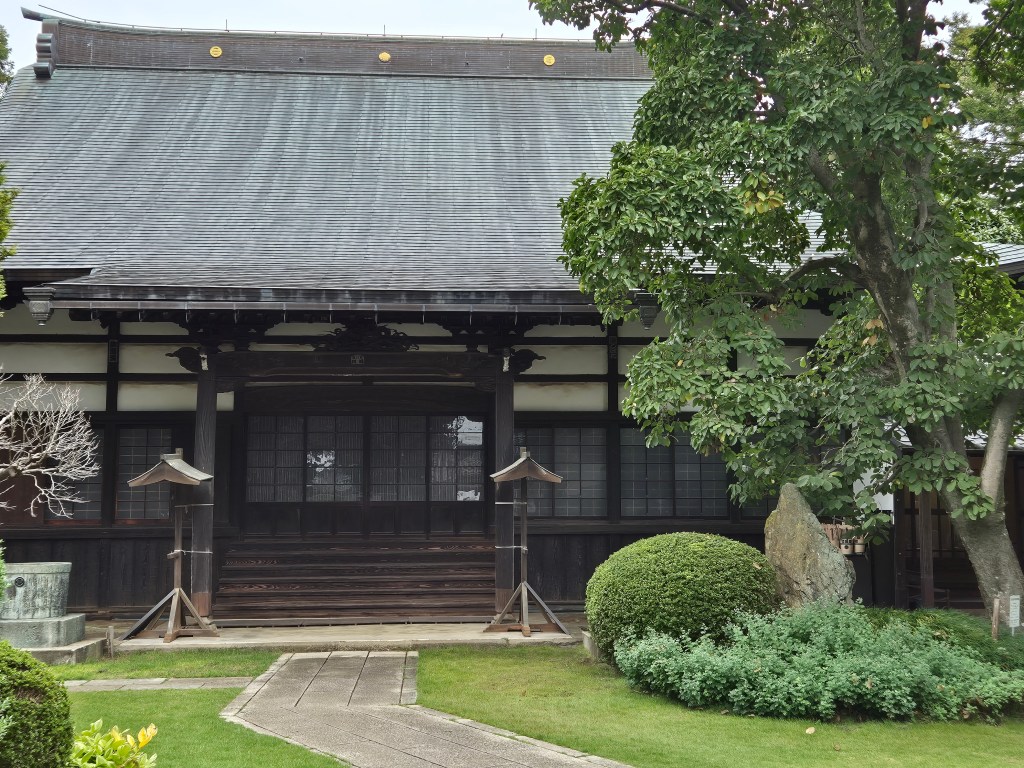
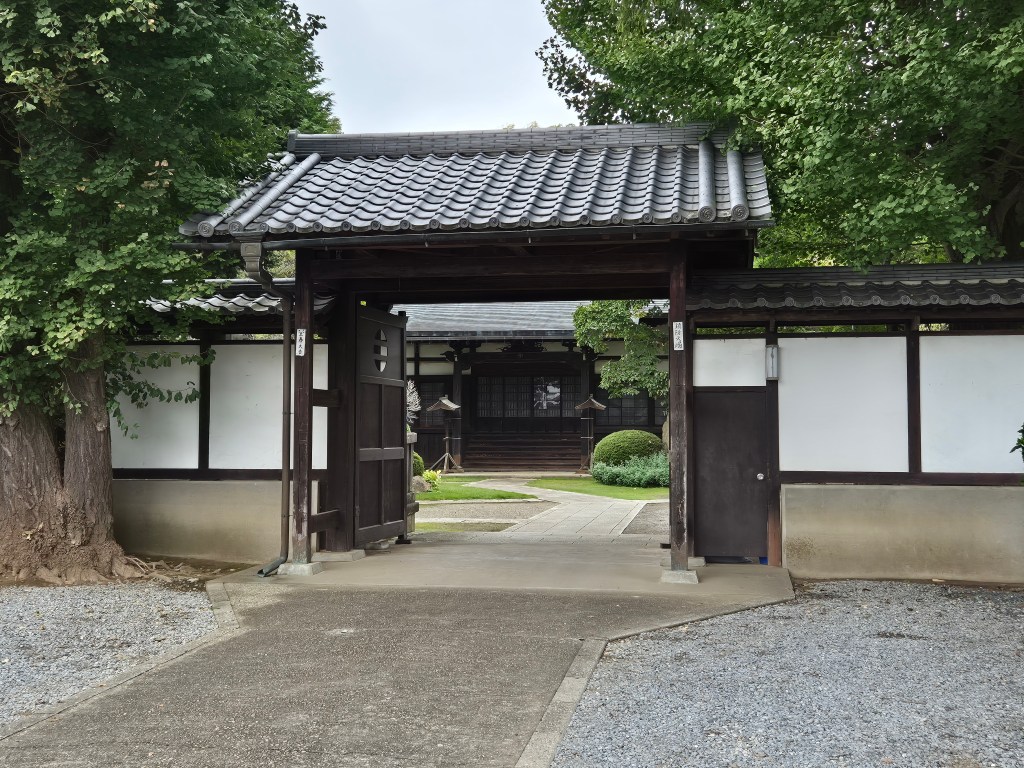
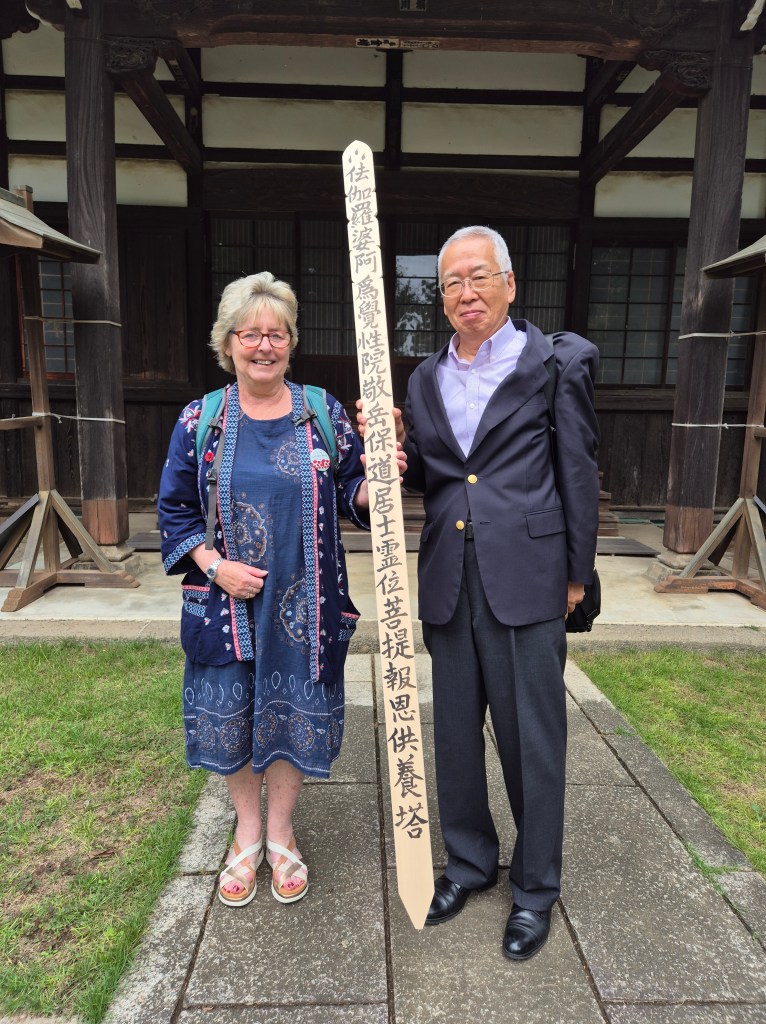
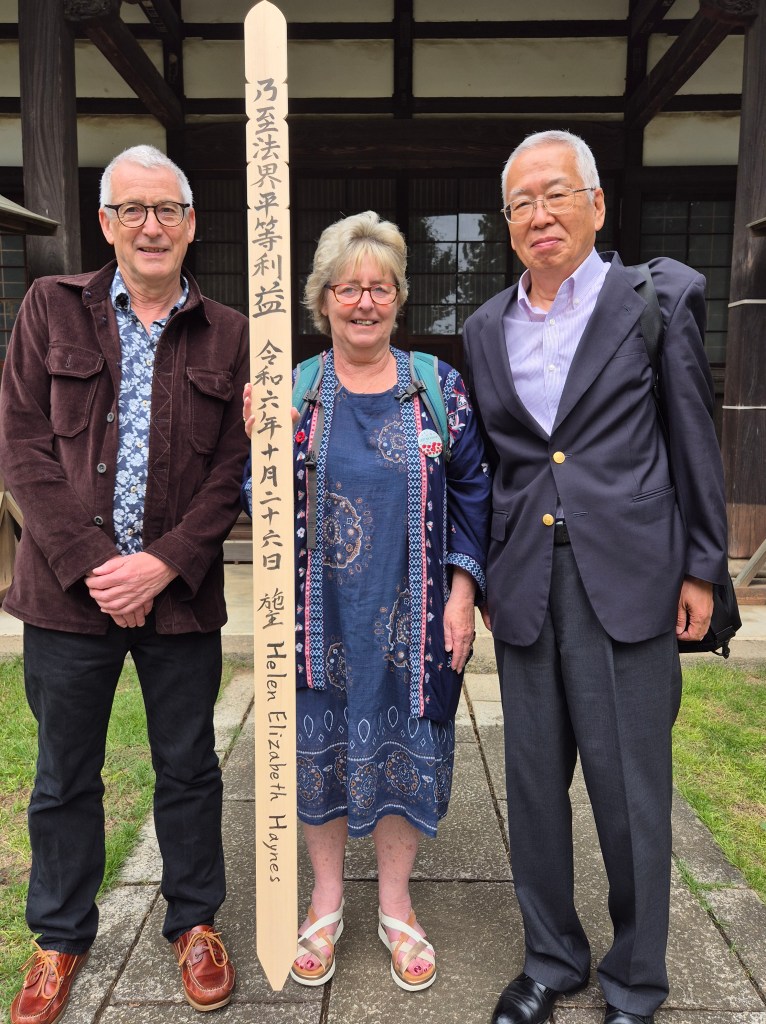
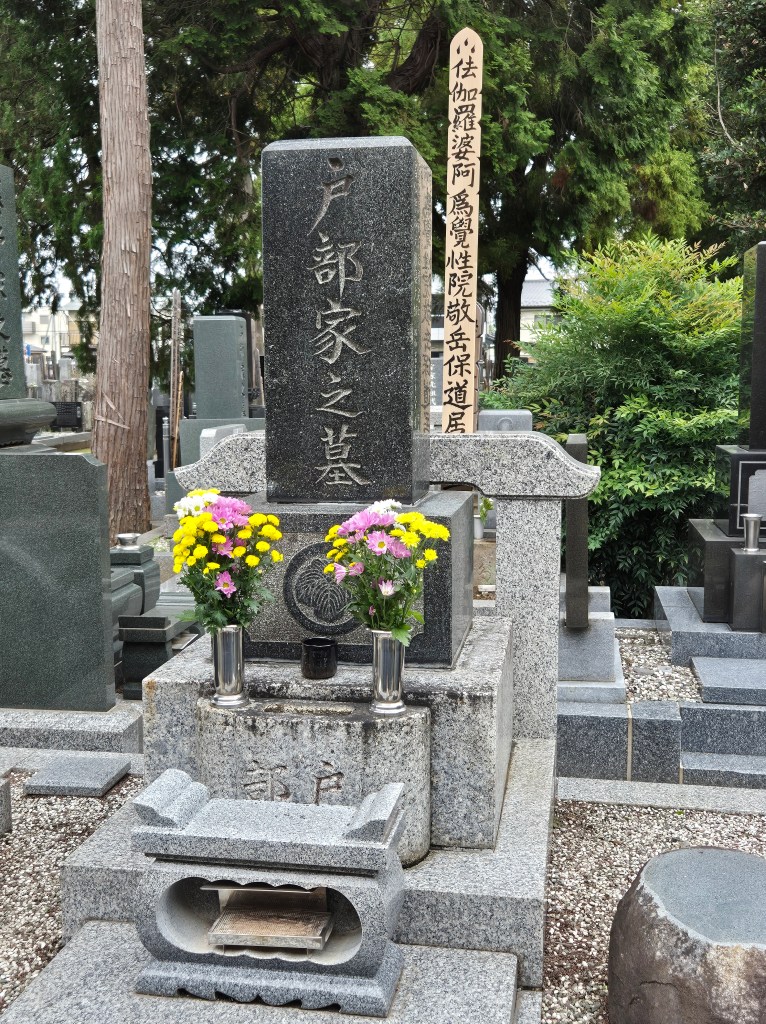
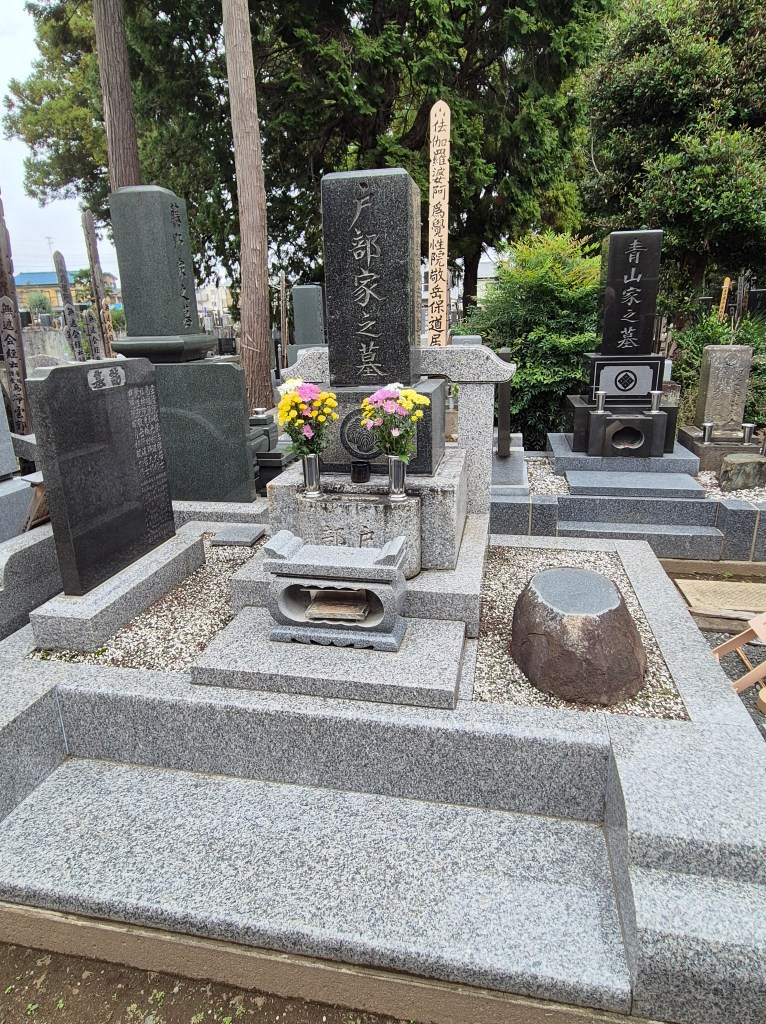
I was presented with a ceremonial wooden block to place on the family grave. It was engraved with the date, my name and that I had visited to honour Mr Tobe Snr. We then placed burning incense in a small aperture at the bottom of the grave. The grave was a family plot with great and great great descendants. It was surrounded by other family graves, all had these ceremonial blocks placed in them. I felt very honoured myself.
We then went to an Italian/French/Japanese restaurant for a meal and were offered the most expensive meal but we chose a smaller version. This reminded me of a story Ruth had told me of a visit she made and she was asked what her favourite food was. Apparently it was very expensive and her hosts not wanting to loose face, asked a rich friend to buy the food as they couldn’t afford it. The Japanese will always give the best of what you want. The cultural books say don’t say you like something or your host may feel they have to give it to you!
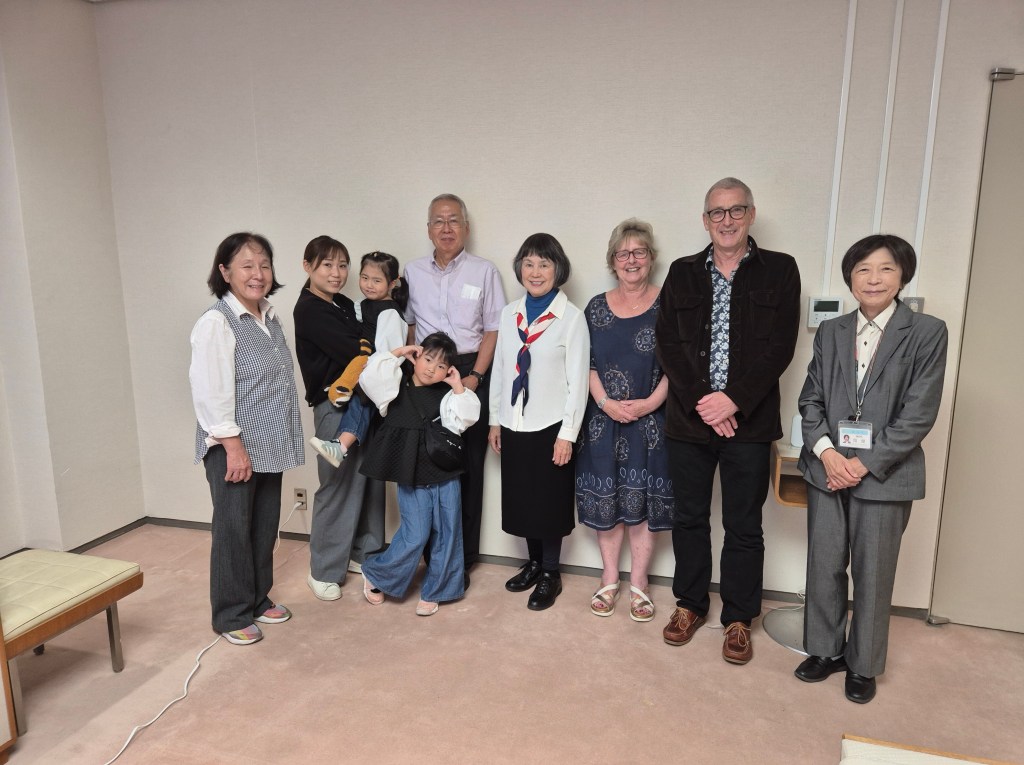
After lunch at the City Hall I met Mr Tobe Jnr’s wife, daughter in law and 2 of his grandchildren. It was unfortunate that other members of the family were unable to be there. I was just pleased he had made such an effort.
I tried to find out a bit more about Mr Tobe Snr, but very few details were available. I learned he was very interested in cars and was a driver after the war. Maybe my father and him talked about cars. My father was a chauffeur immediately after the war for Pinewood studios and had tales to tell of his experiences with famous people such as Max Bygraves and Jean Shrimpton.
Keiko talked through my presentation in Japanese and I gave them a copy that Eimi had made for me in the hope that the family would read it later. I learned from Keiko after a few days that Mr Tobe Jnr had read it and felt he loves and respects his father more now after his kindness to my father. He will make his sons read it and hopefully they will have a small insight into their grandfather’s time as a guard in WWII.
We exchanged gifts as is customary in Japan and bade farewell.
I achieved what I had set out to do all those years ago with Andy’s support and fulfilled a desire to meet with the Tobe family. I may not know anymore about the soldier in the photo, the relationship between them both will stay just between them but I feel I have at last been part of a Peace and Reconciliation trip which is what my father wanted me to do many years ago. It has been a final honour to my father and I hope he would be happy.
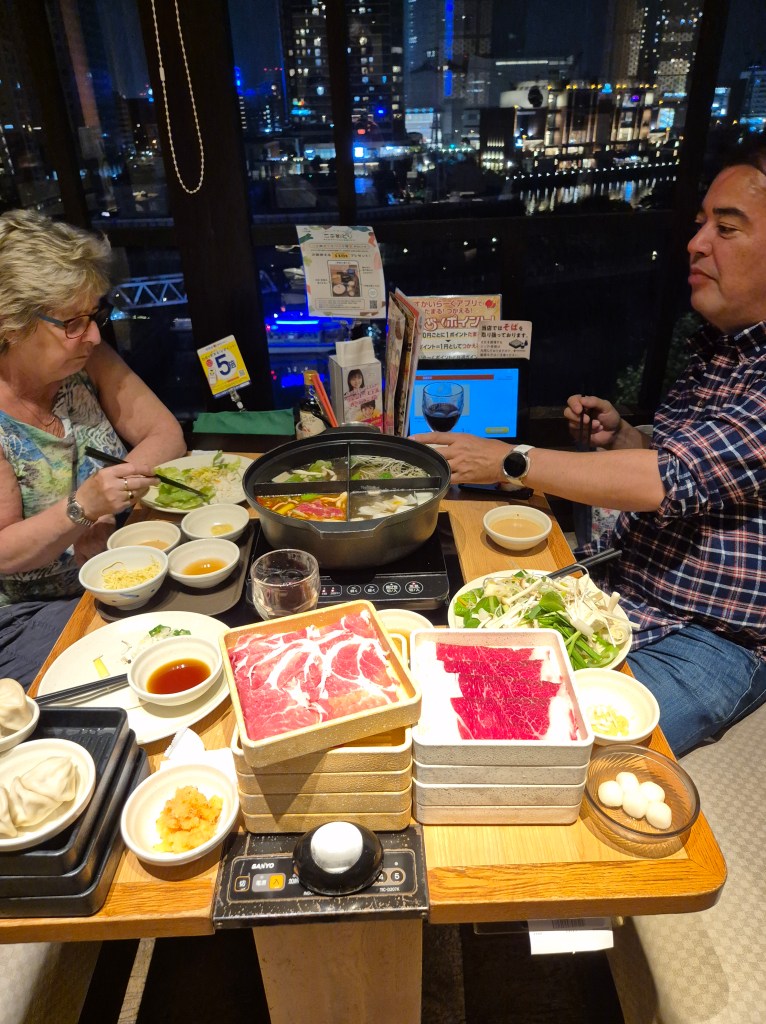
Finally, back to Yokohama where we had just one more memorable meal, shabu shabu, Keiko’s favourite type of food, which was notable for the use of a robot to deliver our food.
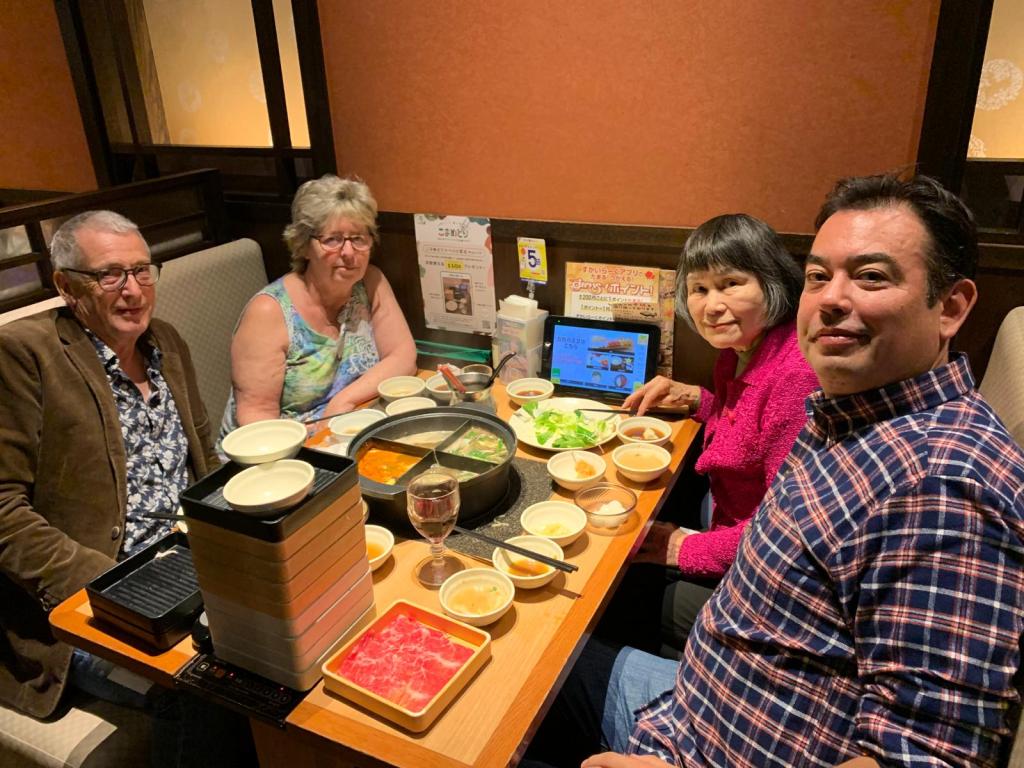
It was time to say goodbye to Danny and Keiko and say a massive thank you to them both. It was truly a remarkable and memorable experience. Keiko remains in Japan for more talks to churches and students about her lifetime work before returning to UK in mid December.
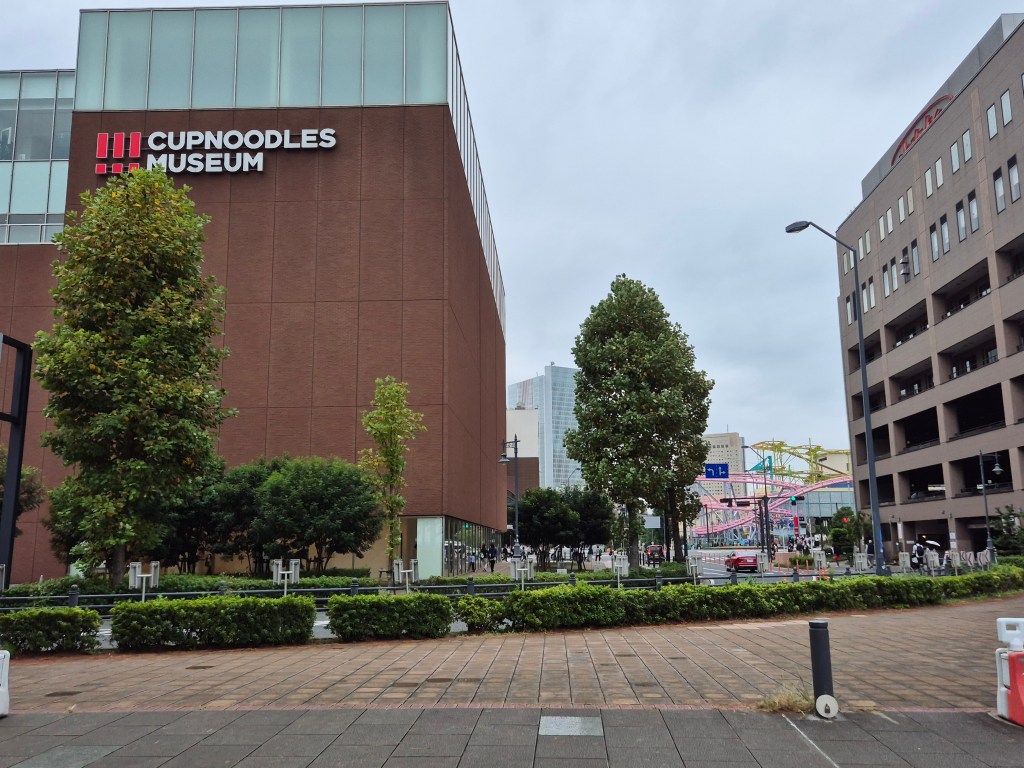
Yokohama is a port but not a busy one and seems more important for providing the facilities for conferences, hosting cruise passengers and shopping as well as the ubiquitous London Eye ferris wheel and, of course, the renowned noodle museum
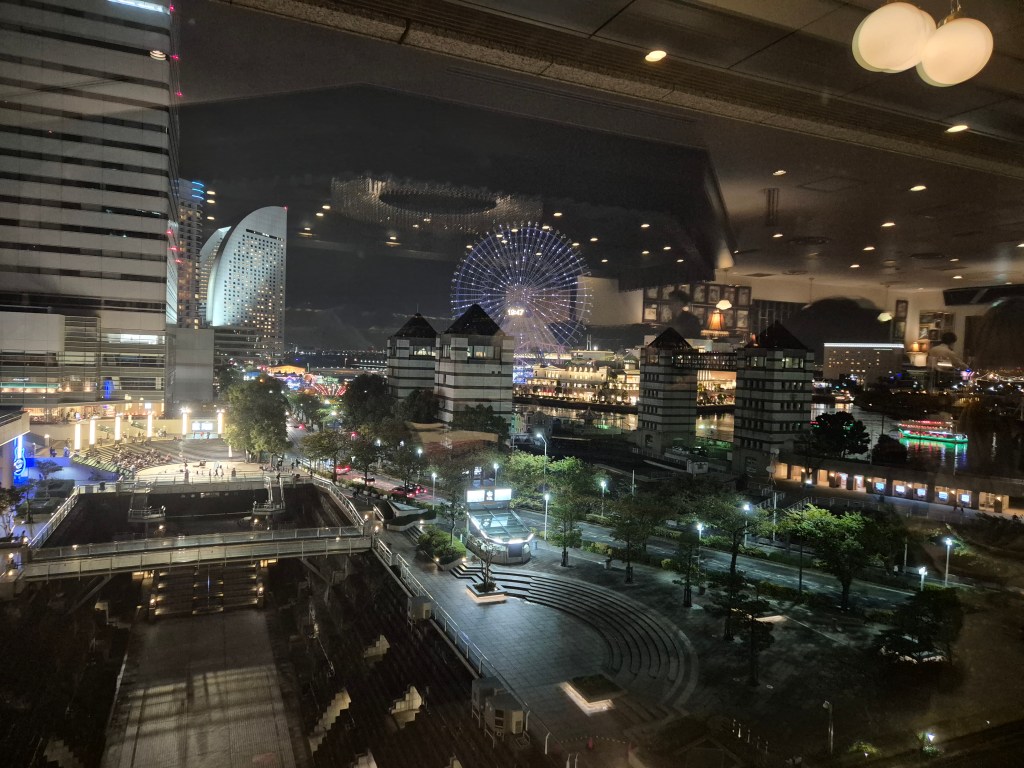
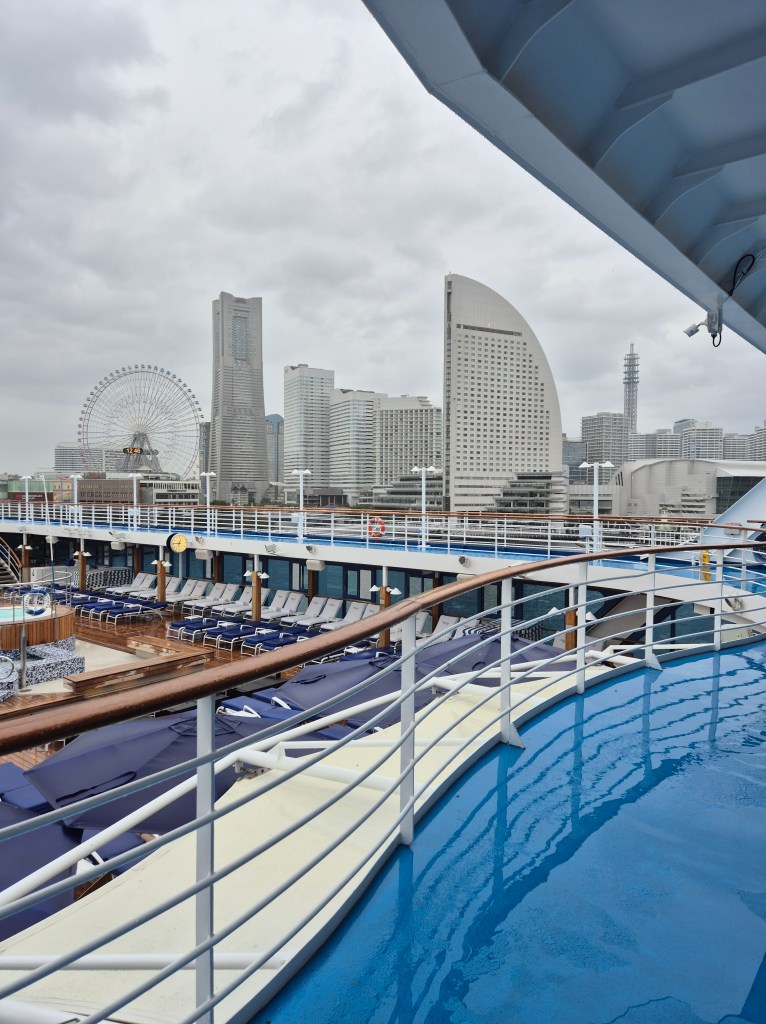
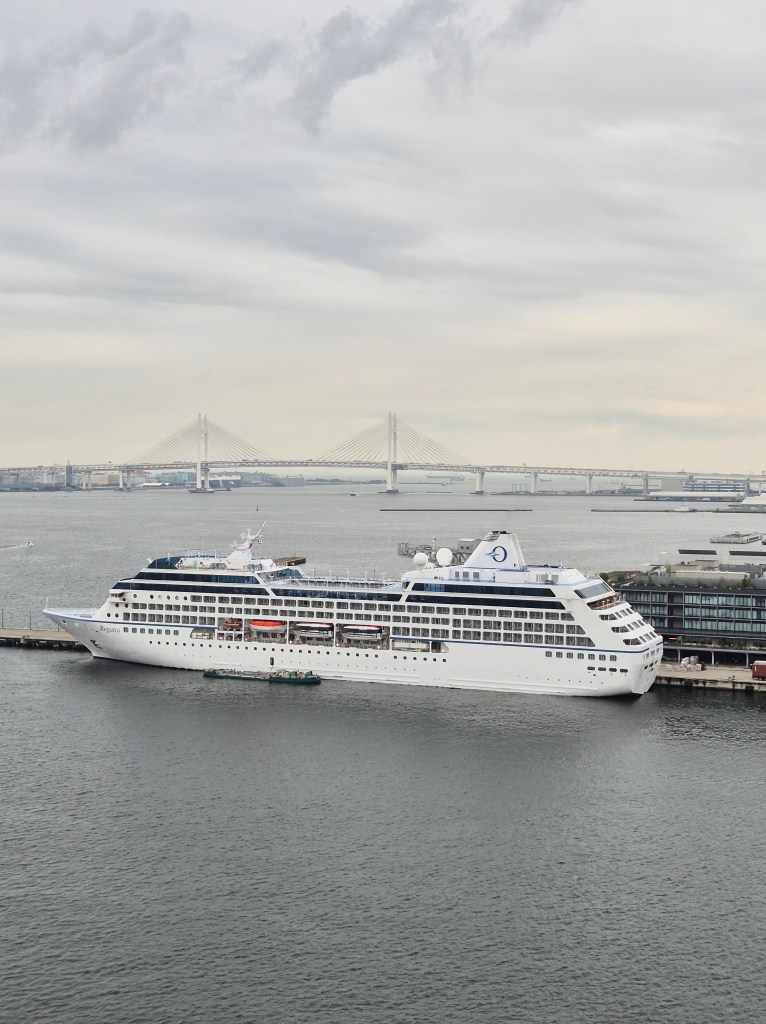
Our boat awaits, next stop Shimizu
 Our Travels 2024 - 2025
Leave a comment