There are pluses and minuses to travelling on a cruise ship. The biggest plus for us was seeing some previously unvisited parts of the world prior to arriving in Sydney on the 2nd Dec. The biggest minus is often having just a few hours to get out and see or do something memorable, if indeed that is possible. We had 4 scheduled port visits in Japan before heading south to Taiwan and these plans were disrupted by a hurricane which hit Taiwan soon after we left Yokohama. Luckily, the stops at the two places we really wanted to see, Kobe and Hiroshima, were unaffected. Our first stop, however, was at Shimizu, best known for it’s proximity to Mount Fuji, which was partially visible on occasion despite the dreadful weather.
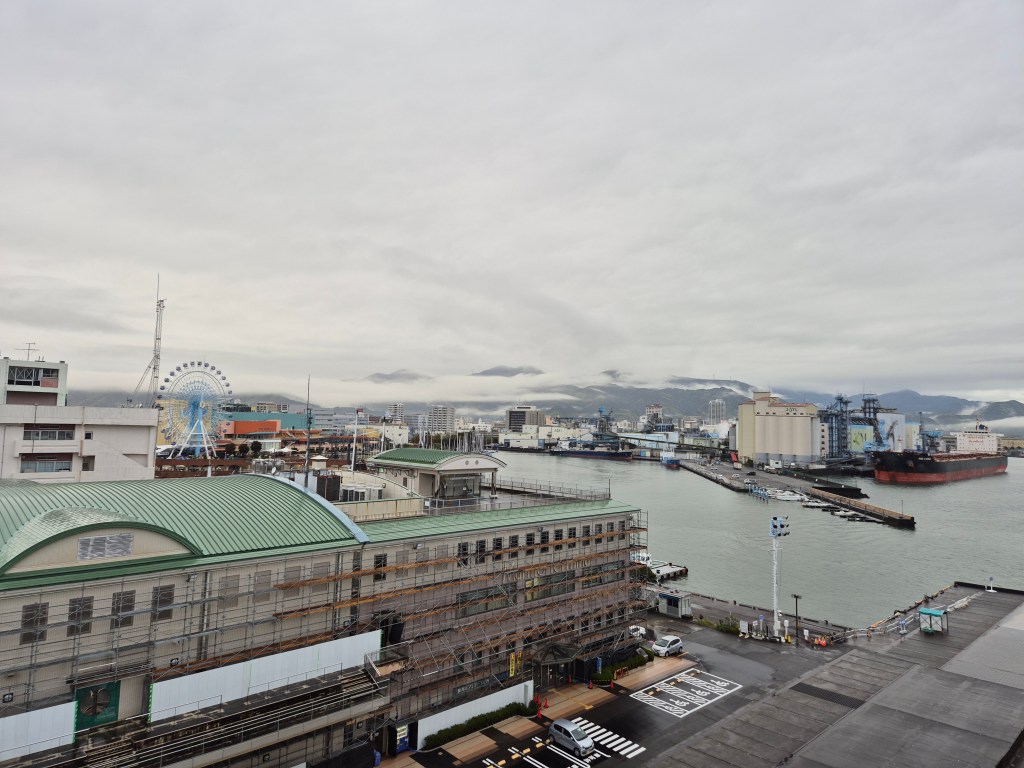
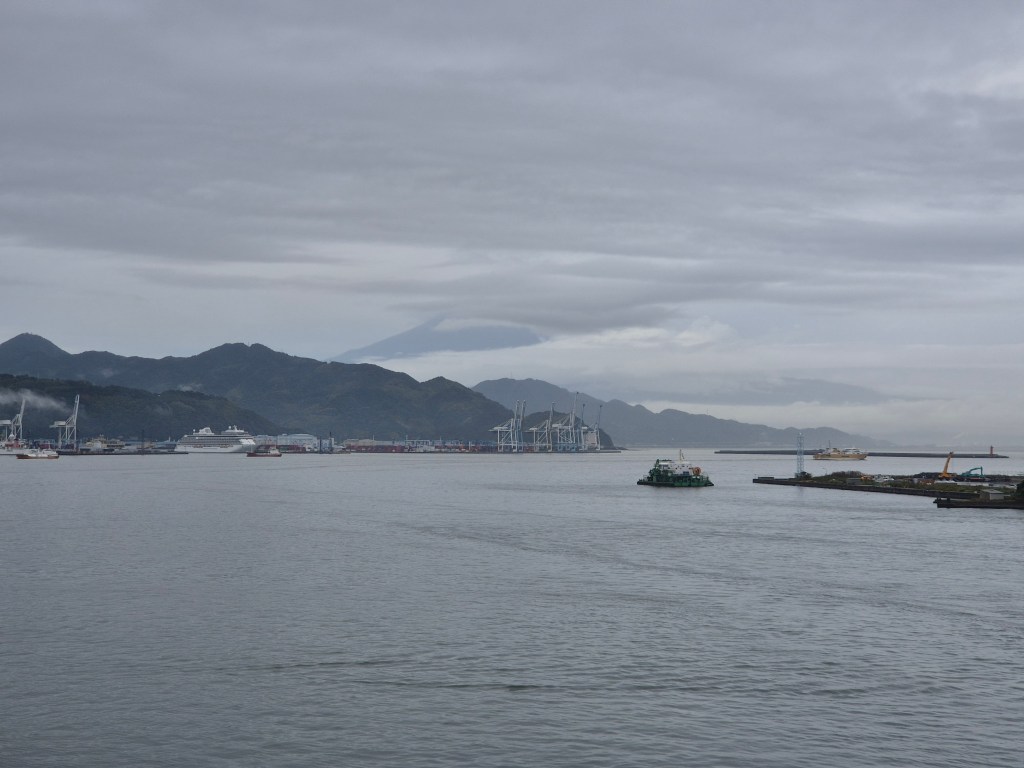
Kobe is a much smaller port (and town) than many we visited in Japan and had a much more friendly feel to it, starting with the welcome committee as we docked.
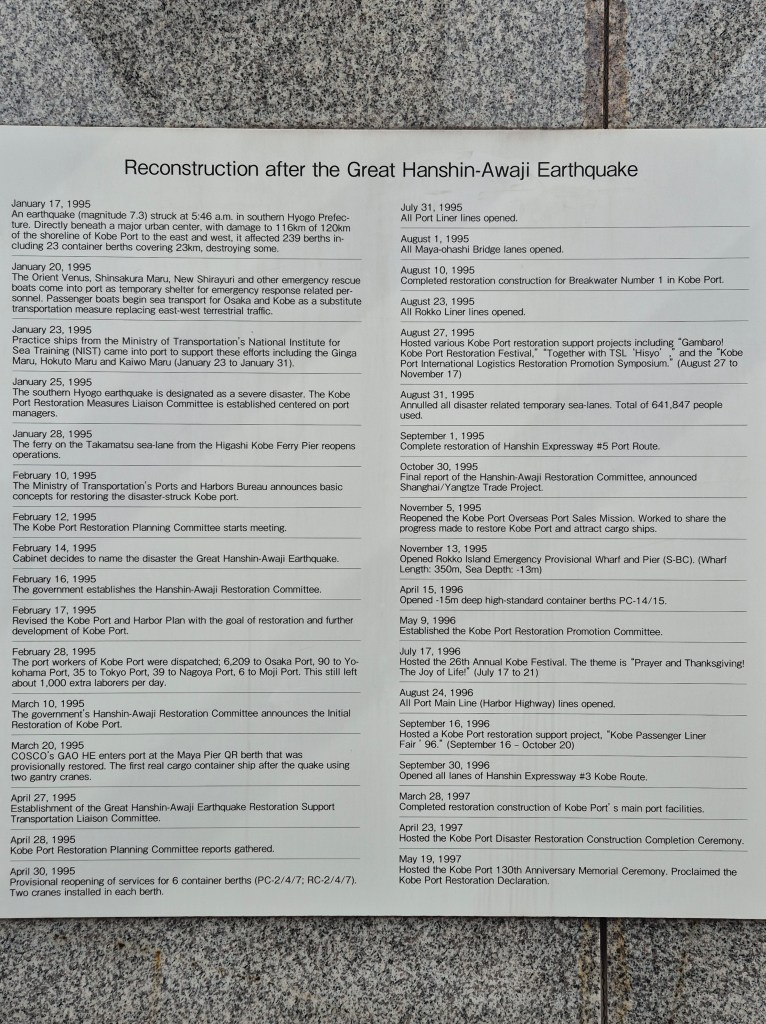
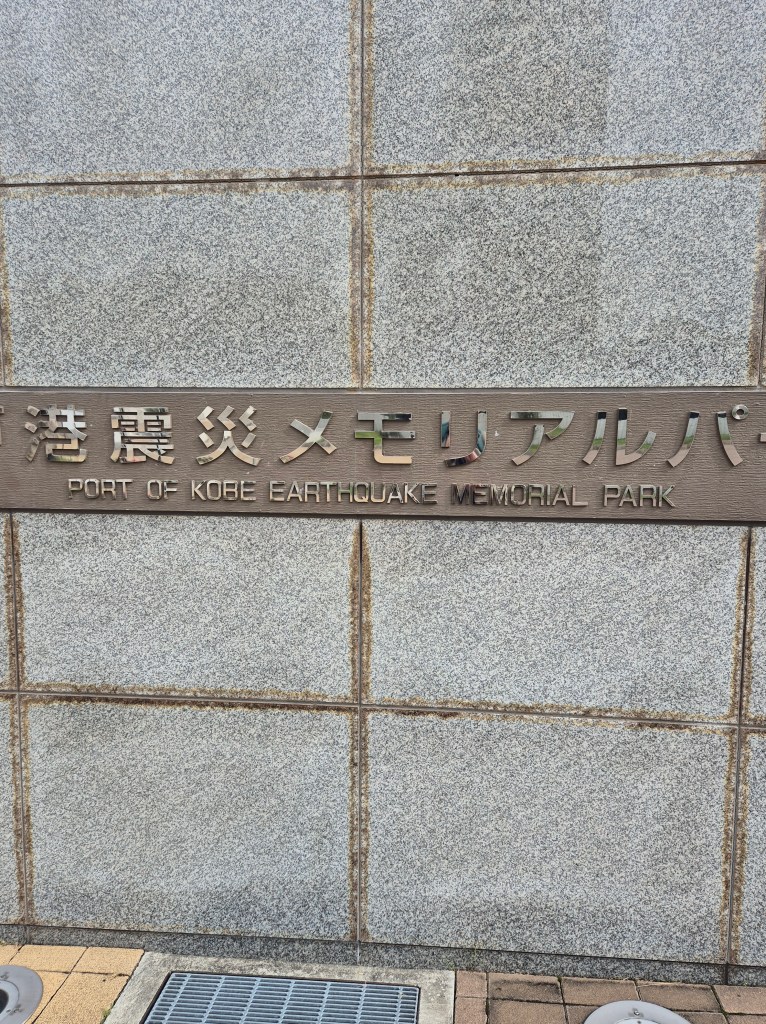
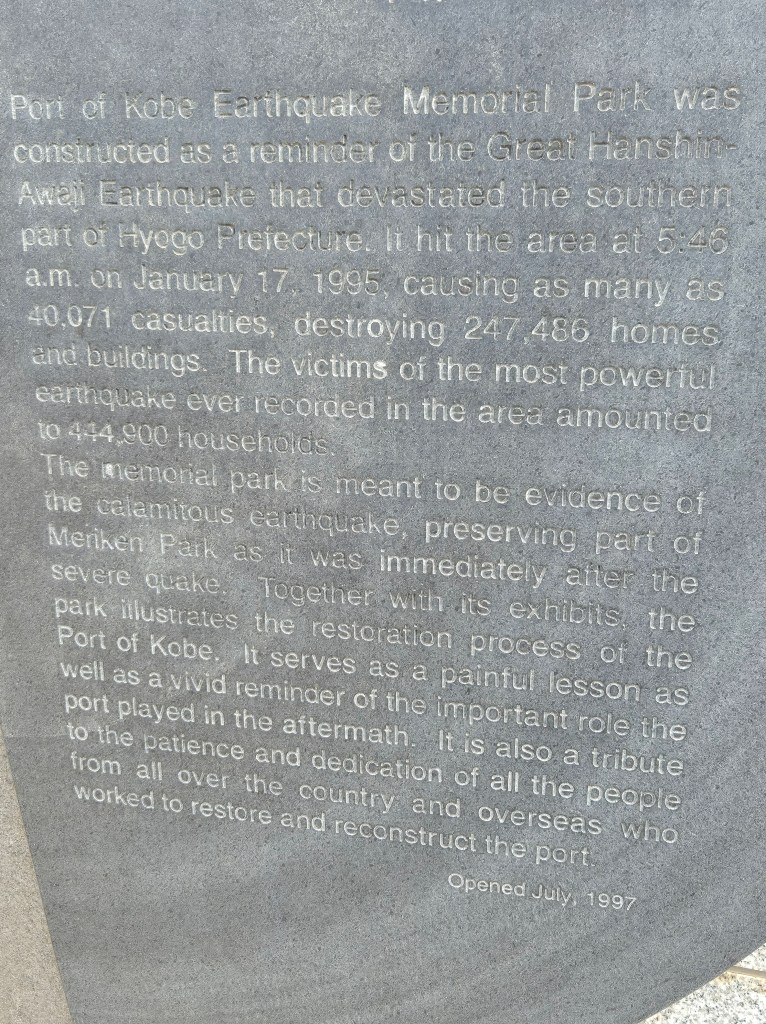
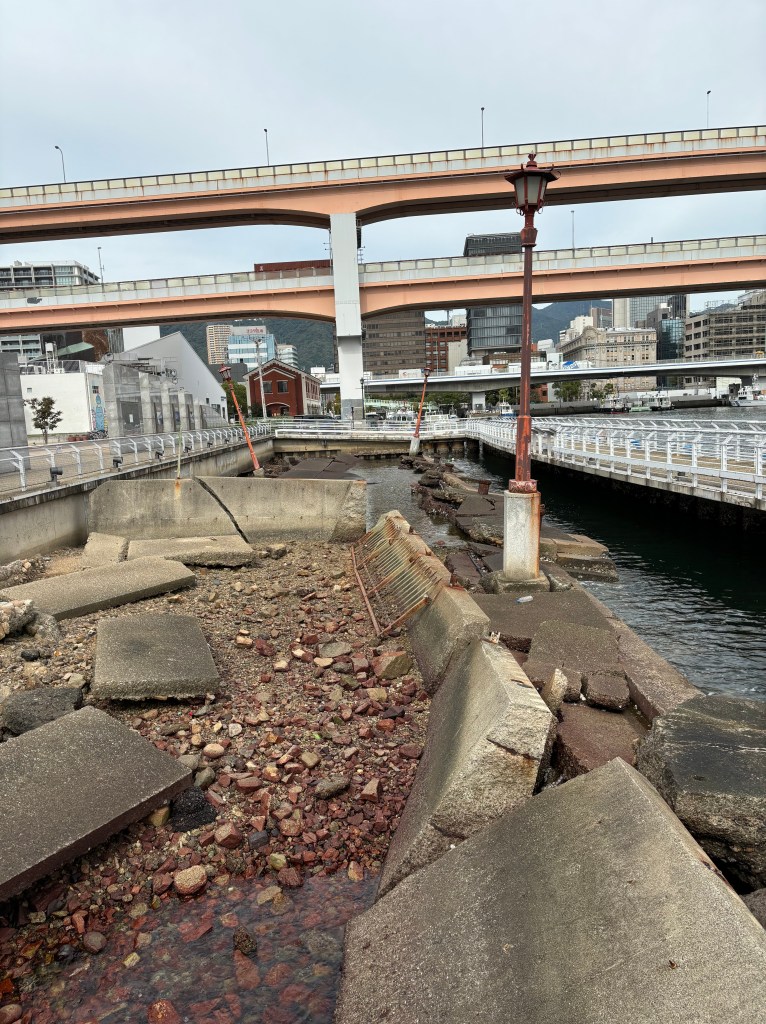
Our first stop was at the Earthquake Memorial Park, a display which commemorates and describes the damage done to the town during the 1995 earthquake. There are a few exhibits, photos and a film but the most dramatic exhibit is the section of orginal dock which has been left unrepaired
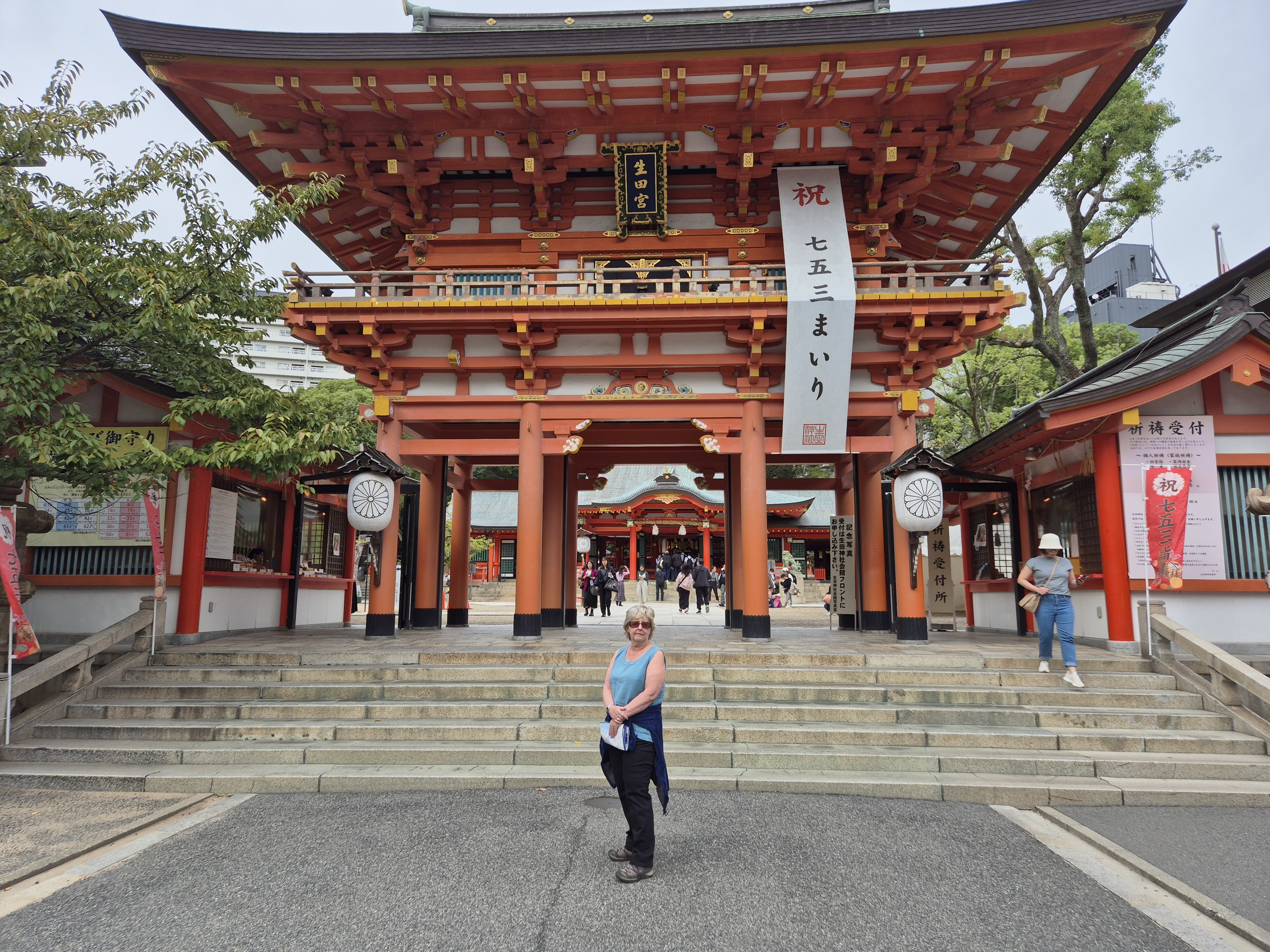
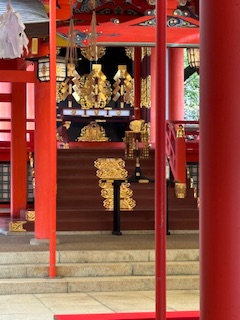
Wandering around Kobe we of course found another temple to visit, Ikuta-jinja shrine.
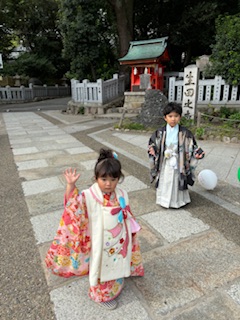
Most temples/shrines we have been to have had one or two families dressed in traditional costumes. I asked if I could photograph these two and their parents agreed. It was only afterwards that I remembered the Japanese can’t say no! They celebrate Scichi-Go-San, which literally means seven five three and is a birthday celebration for boys turning three or five and girls turning three and seven. Our two were three and five. Finally on Danny’s suggestion, we’d booked a Kobe beef restaurant where the world-famed beef is cooked teppanyaki style on a hot griddle in front of the diners.
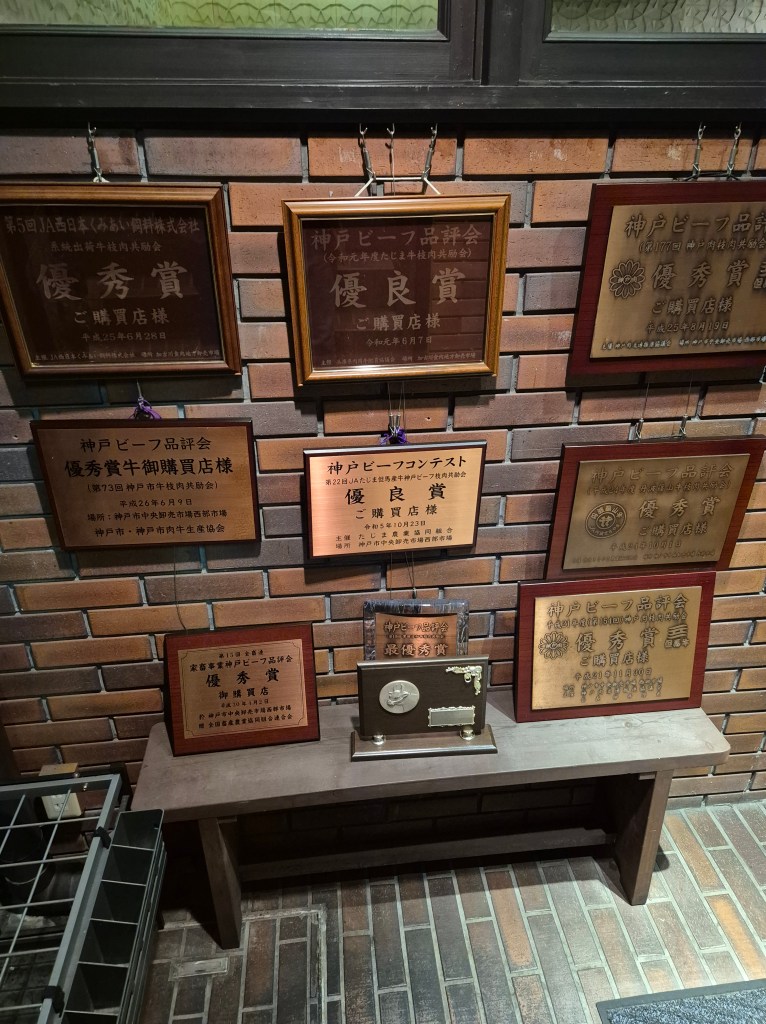
First up is having to choose the cut to be cooked, and the weight, which has significant impact on the final bill. Once that decision is made (and repeated, in our case), the beef is presented and left to warm up whilst the accompaniments such as onion soup and assorted salads and vegetables are prepared and consumed.
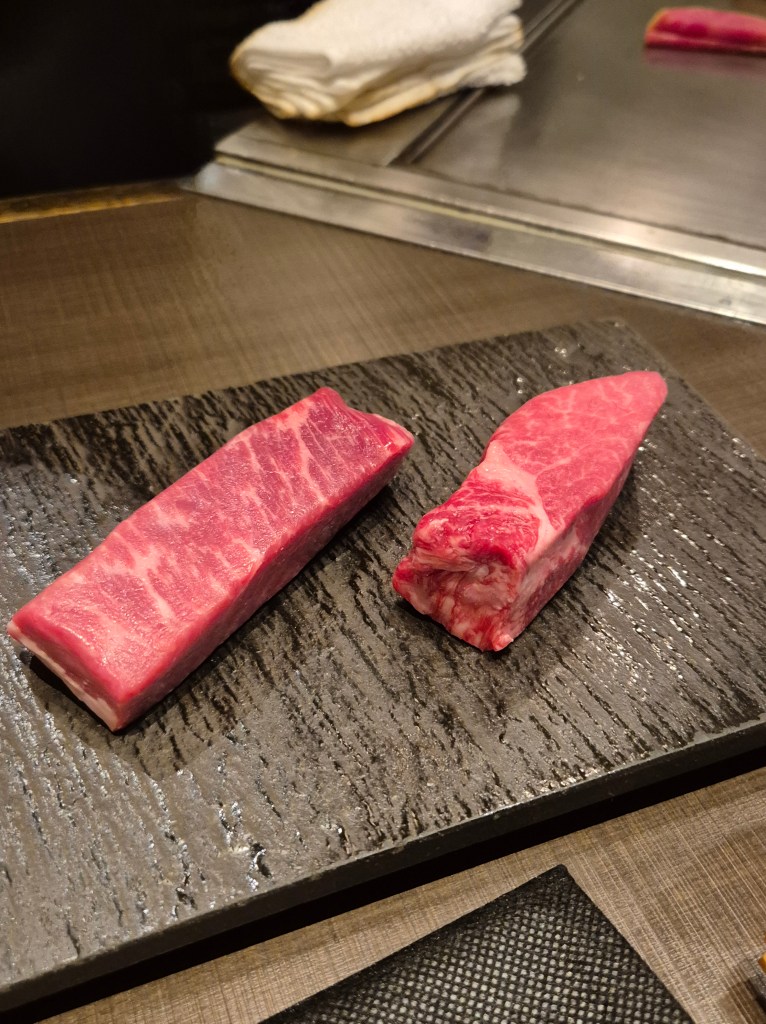
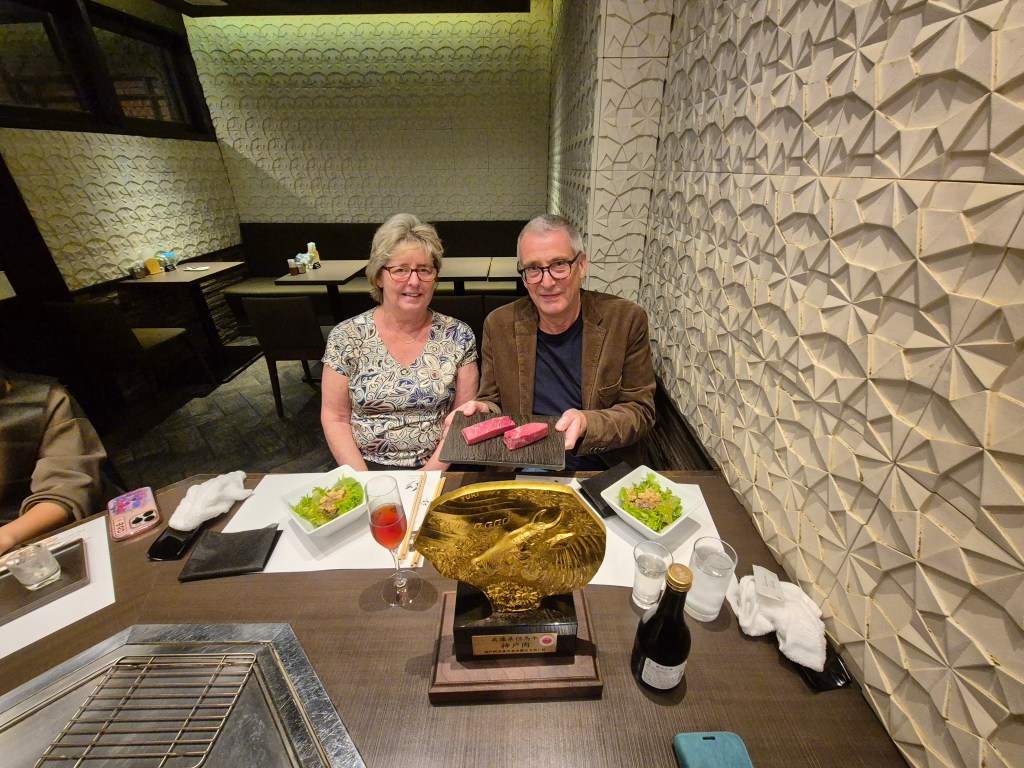
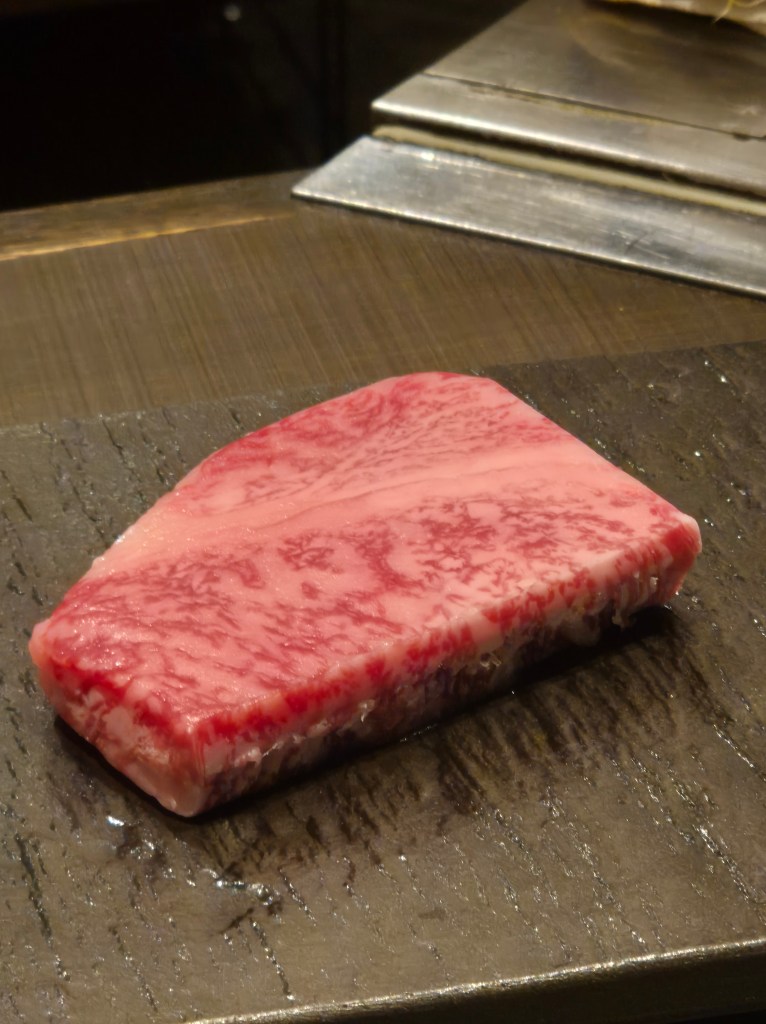
Only then does the show really start as the chef demonstrates his skill in cutting up the beef and cooking each piece to the precise level of cooking, seasoning and chopstick competence of the guests. The results are spectacular and without doubt this was the best steak we’ve both ever eaten, albeit at the highest price..
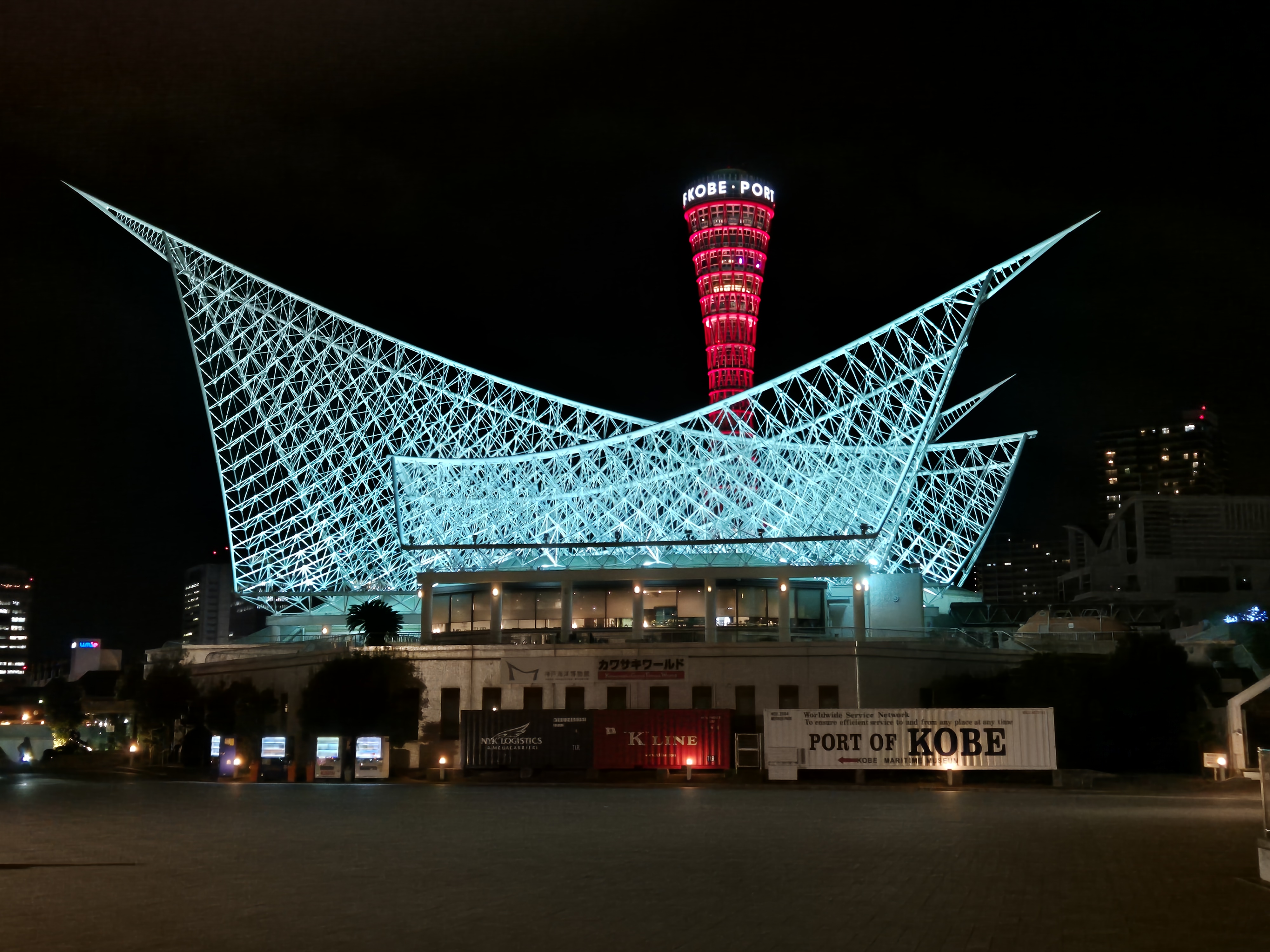
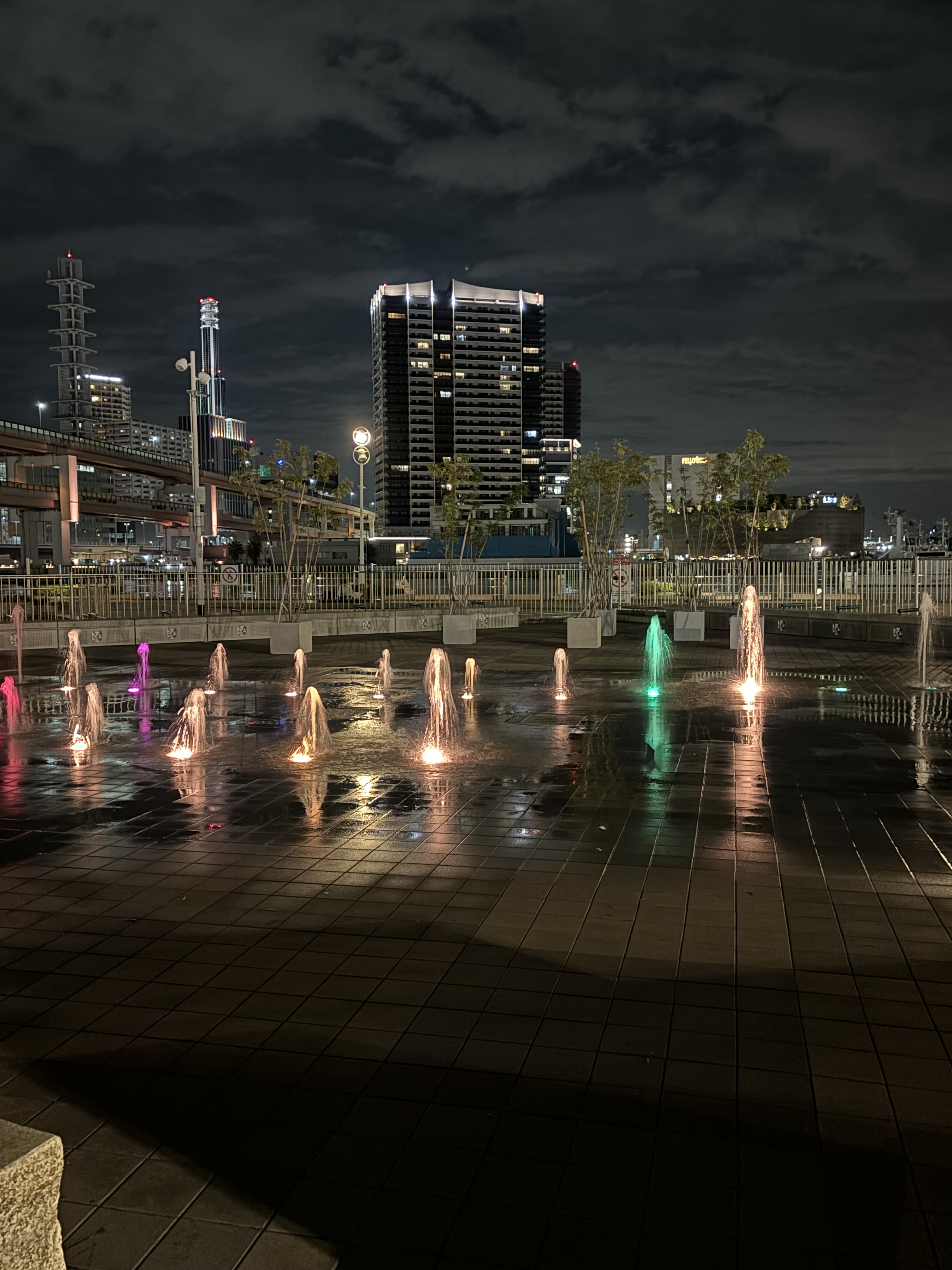
The proximity of the restaurant to the port allowed us to walk slowly back, and enjoy the lightshow.
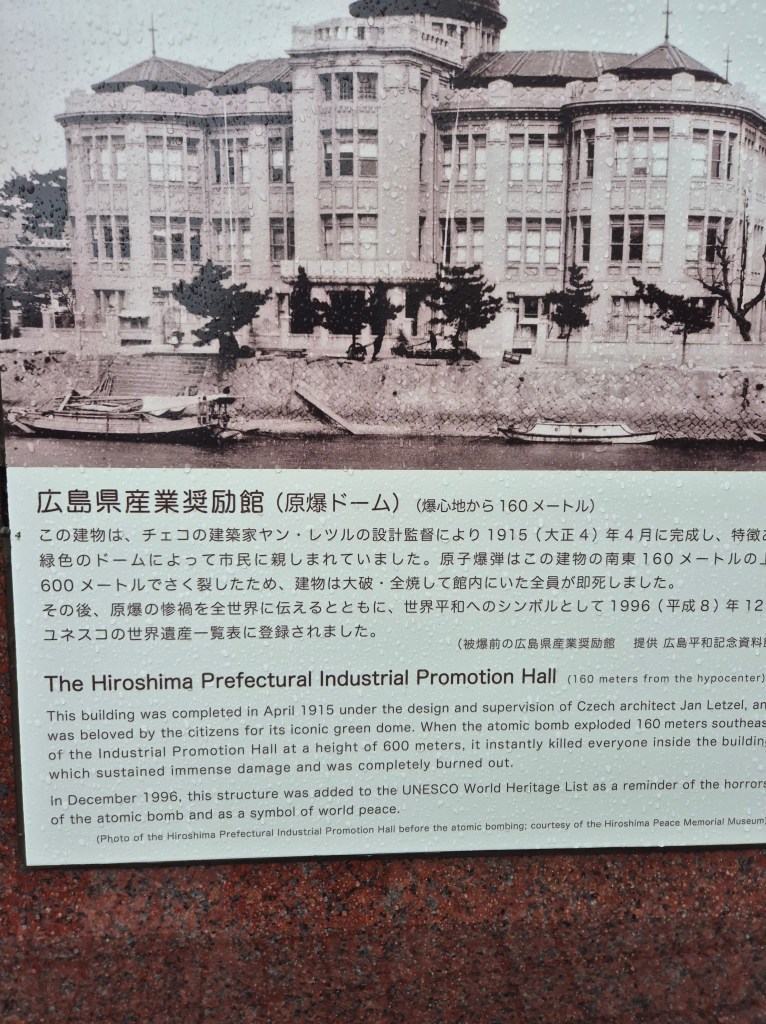
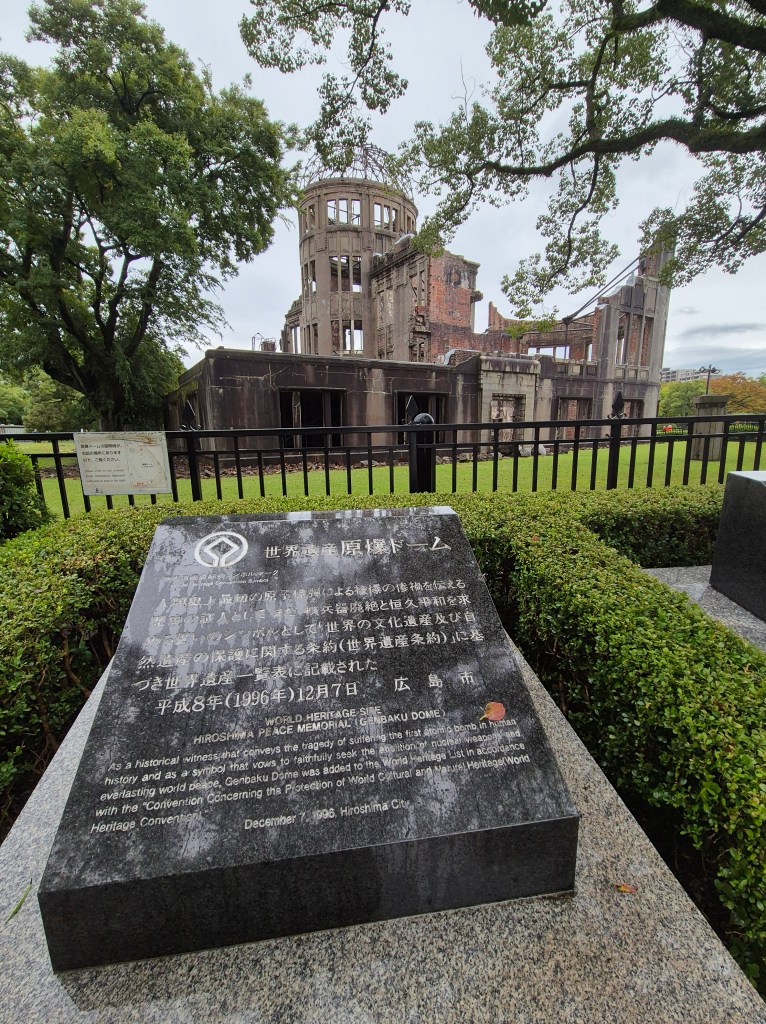
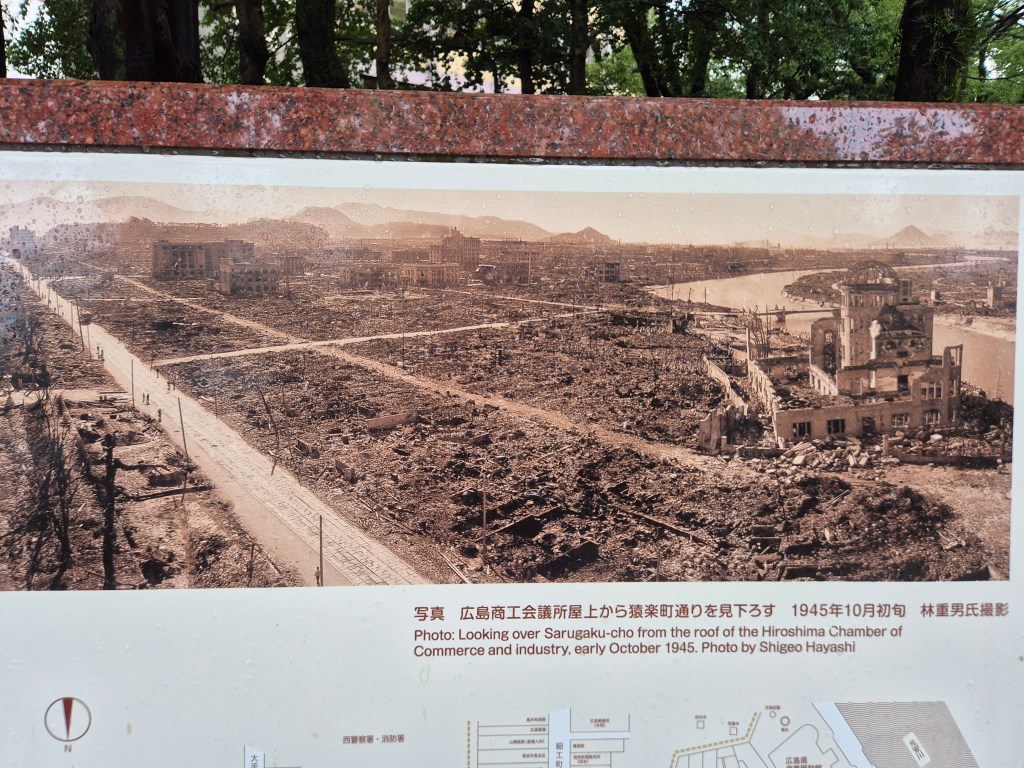
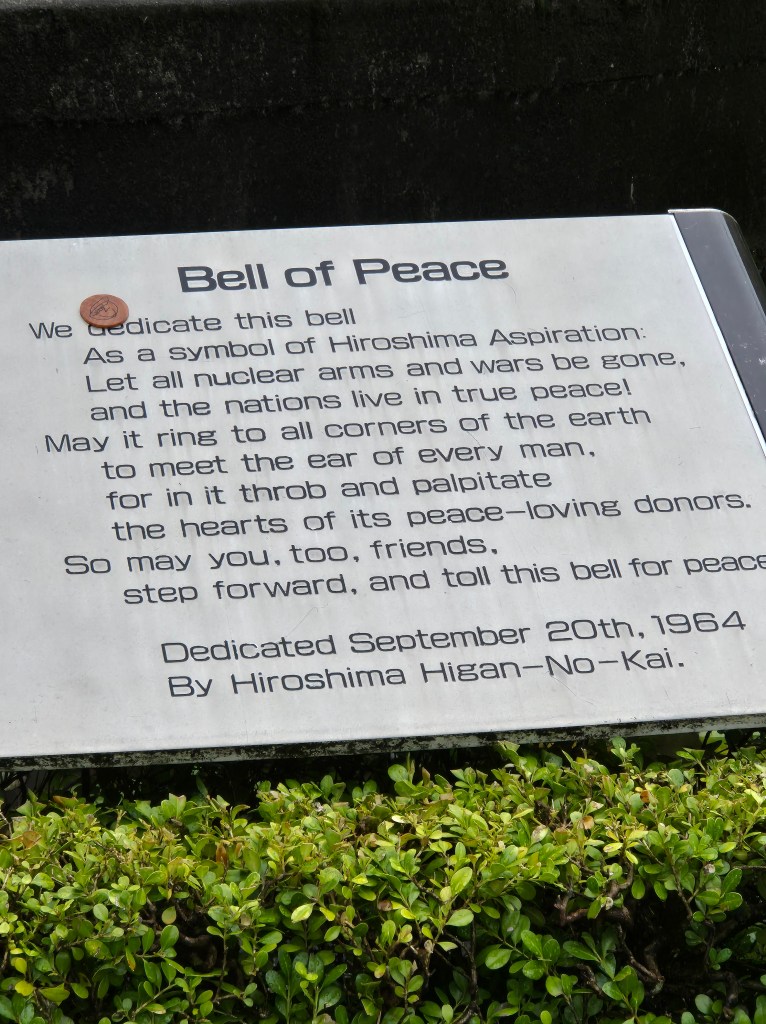
Overnight we travelled the short distance to Hiroshima, site of the first atomic bomb dropped on Japan on the 6th August 1945 which undoubtedly hastened the end of the war, but at huge cost to the inhabitants of the city, some of whom still suffer to this day. There is a huge area given over to a museum, memorial garden, peace bell and the iconic dome which survived total destruction despite being at the epicentre of the explosion. A speaker on board our ship, an ex-diplomat in Japan with the Australian government, told us that the construction of these areas, in prime downtown, took decades to get approval given the calls to develop the area for business. The city wanted to preserve the memories of the bomb itself, but also represents itself as a peace city, promoting a nuclear-free future for all. This is rightly now a World Heritage site. In short, this is a moving place to visit, the photos below highlight some of the key places.
The bell of peace
The museum has some harrowing exhibits and reminders that these horrors are not inconceivable today
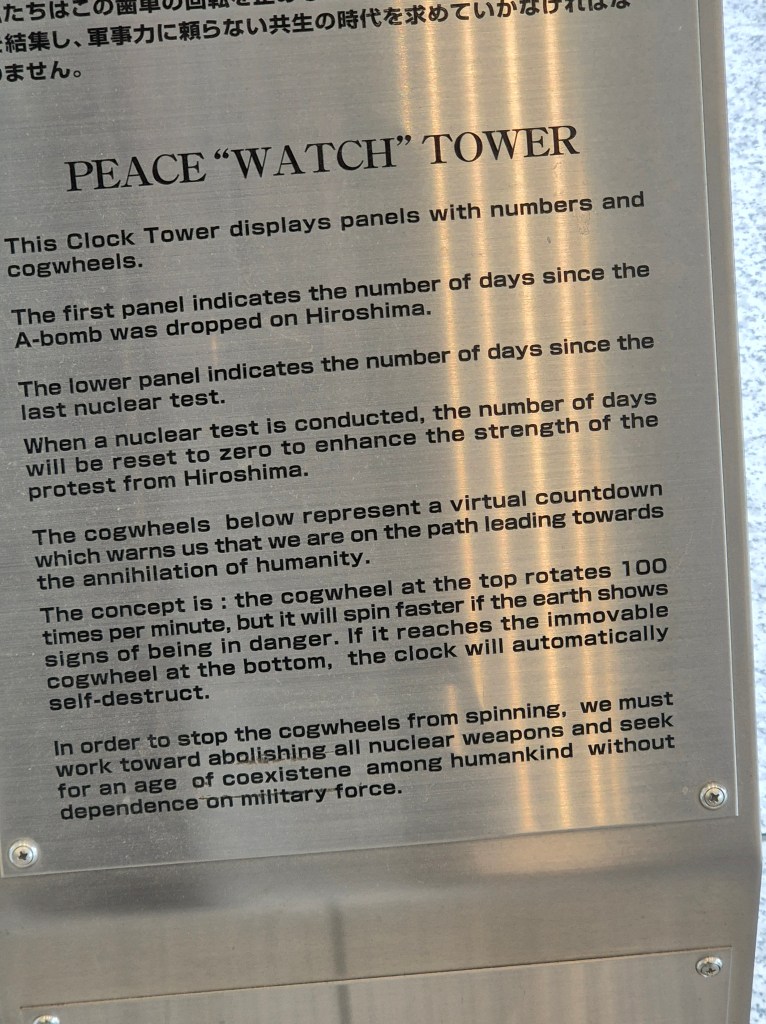
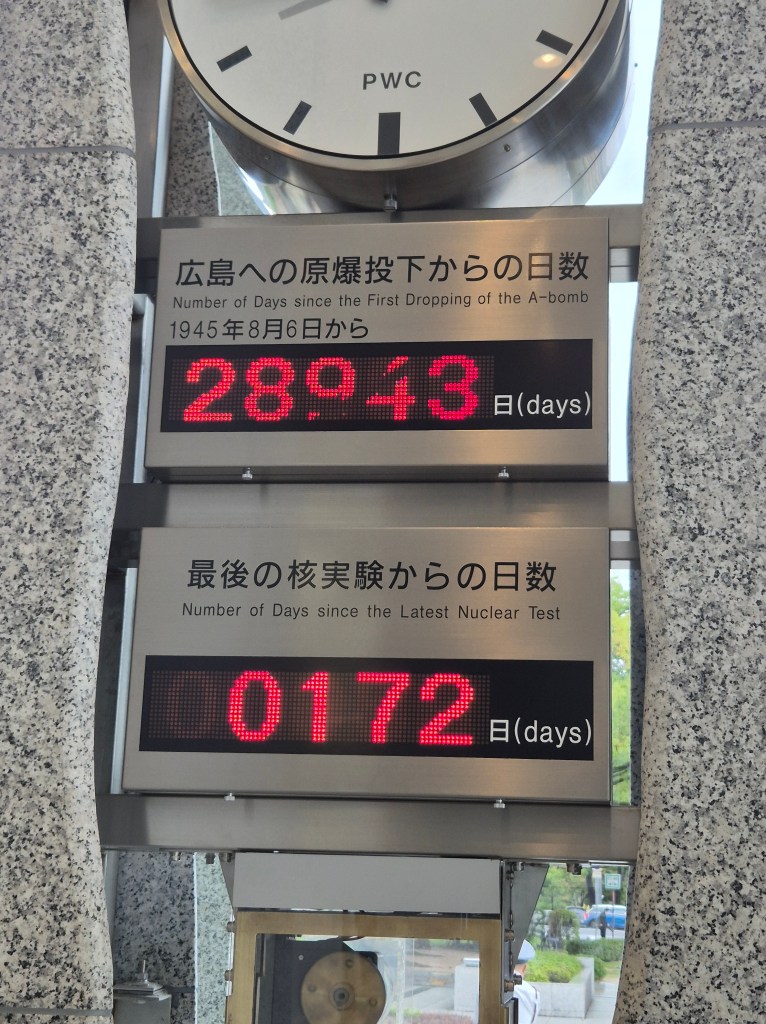
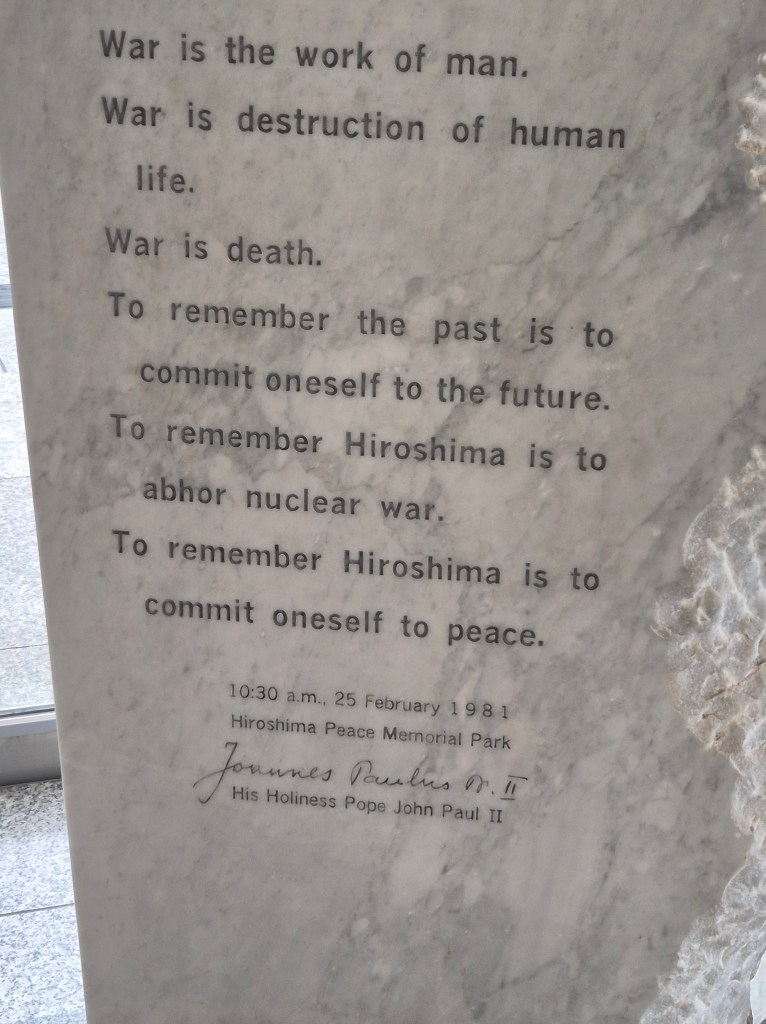
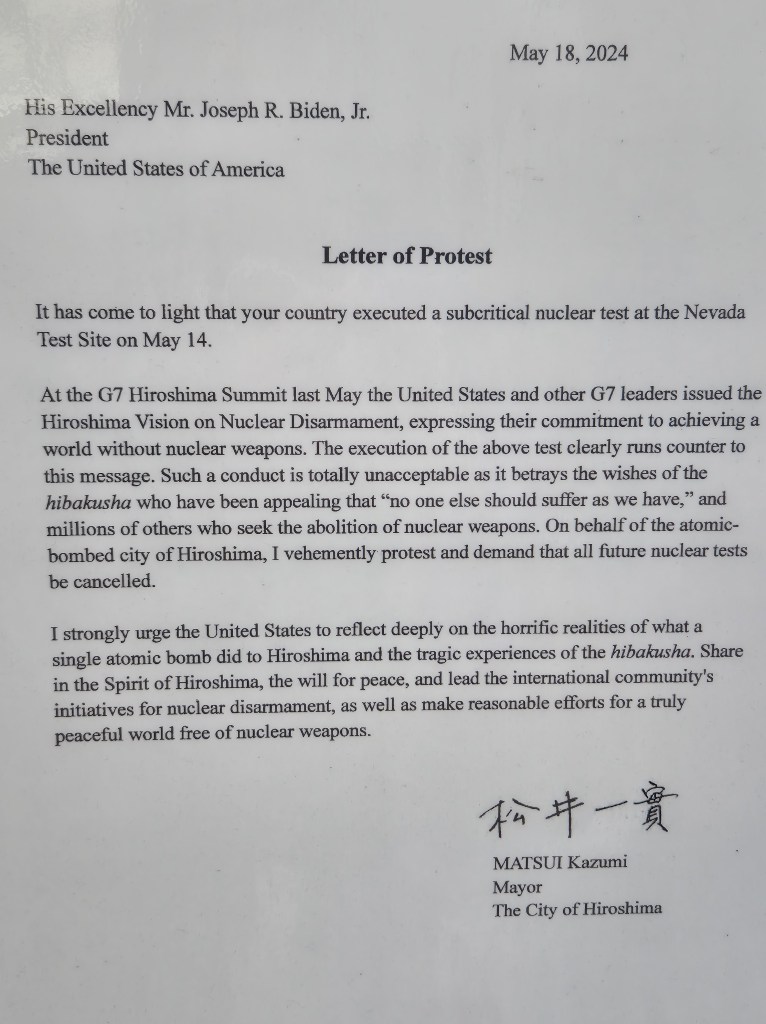
An email from a disappointed mayor of Hiroshima to President Biden
The memorial garden has a shinto shrine through which the peace flame can be seen: this will burn until nuclear weapons are no more.
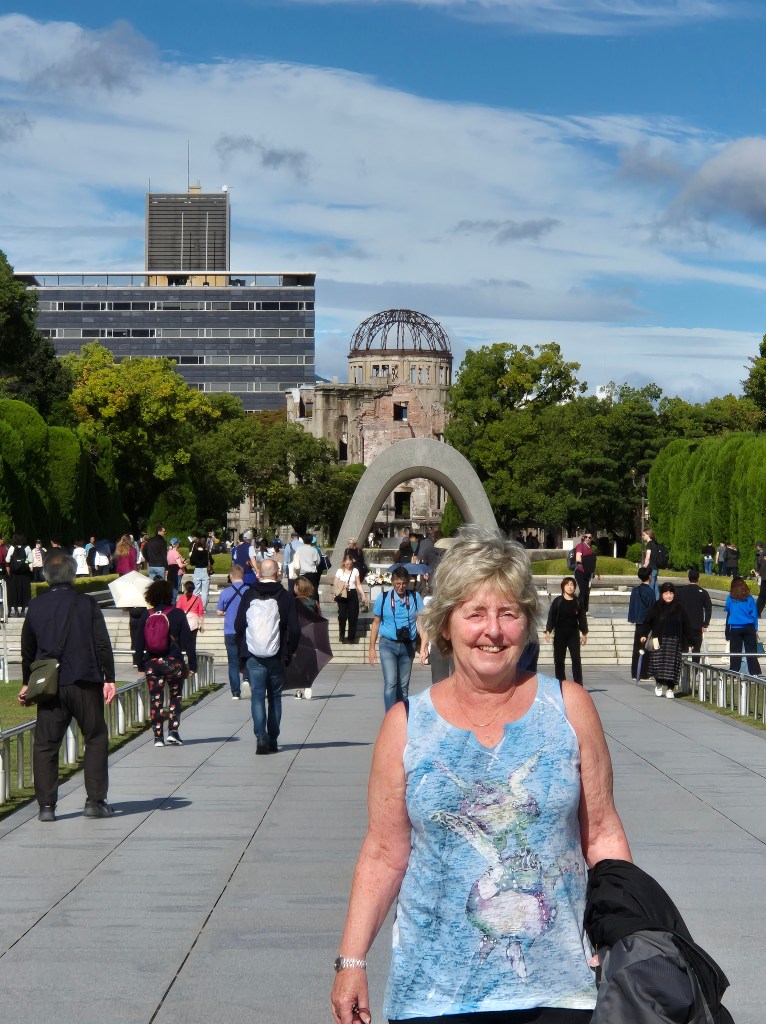
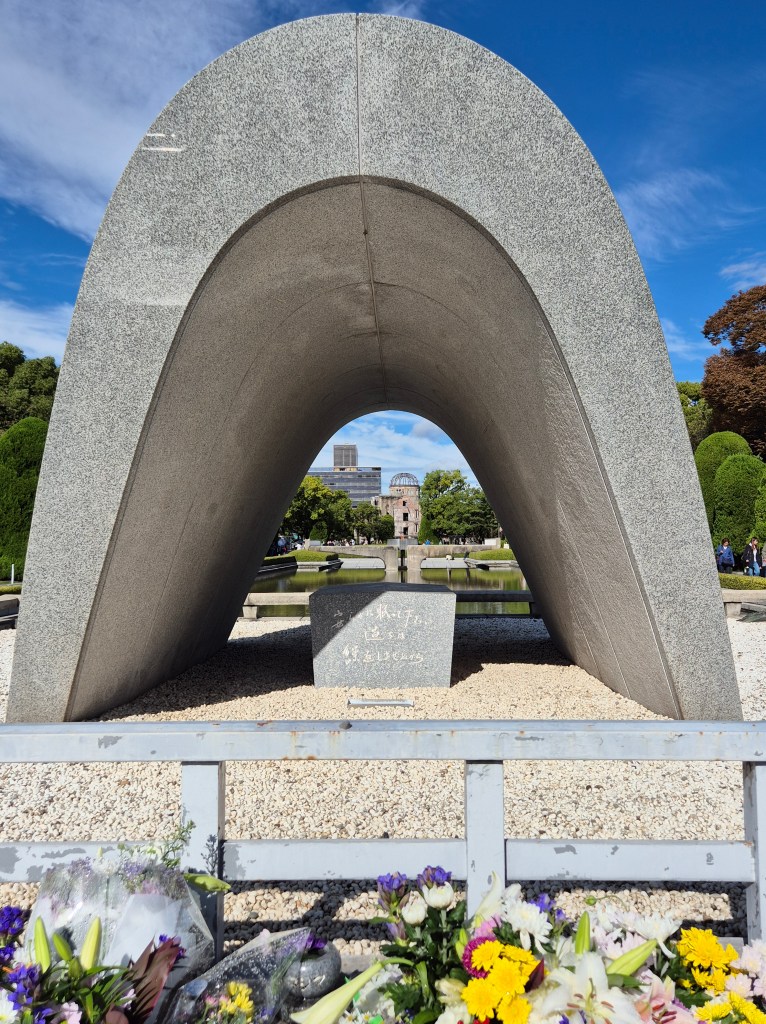
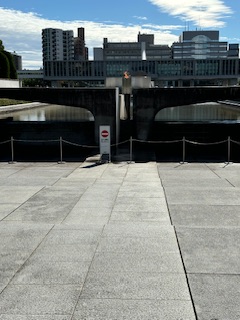
Finally, one of the lesser known tragedies is that of the Hibakusha, the Japanese term for the survivors of both bombs. Many suffered terrible injuries and encountered discrimination throughout their lives and there are still over 100,000 survivors. Their plight was recently recognised by the awarding of the 2024 Nobel Peace Prize
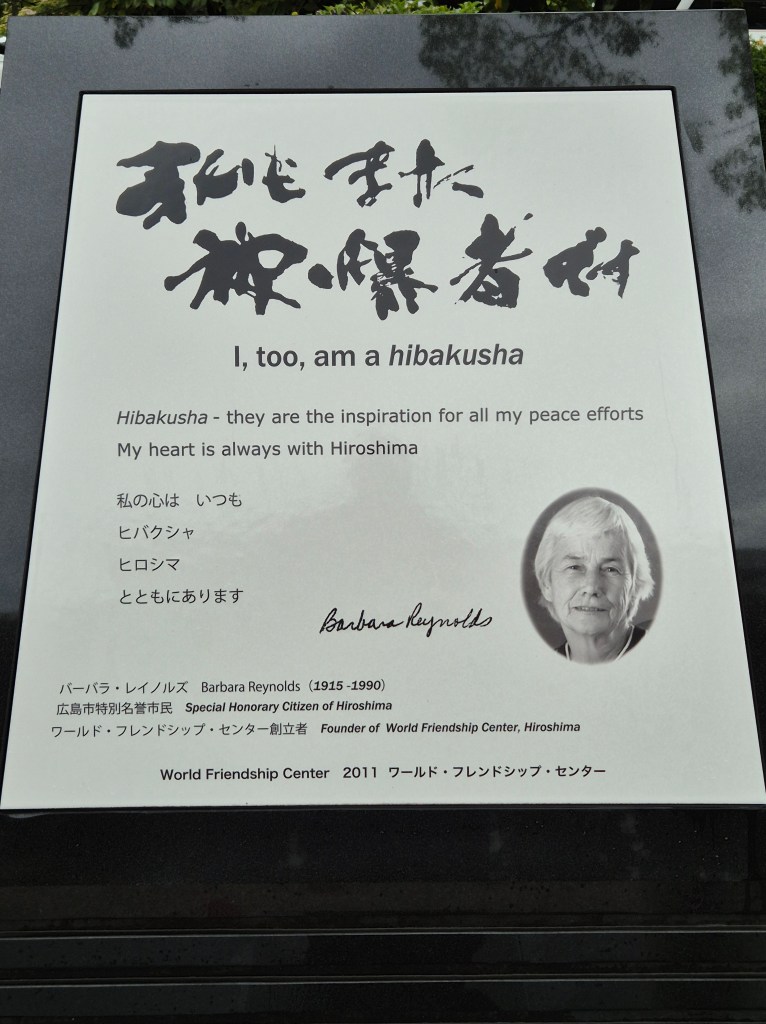
Hiroshima today, a thriving city of hope.
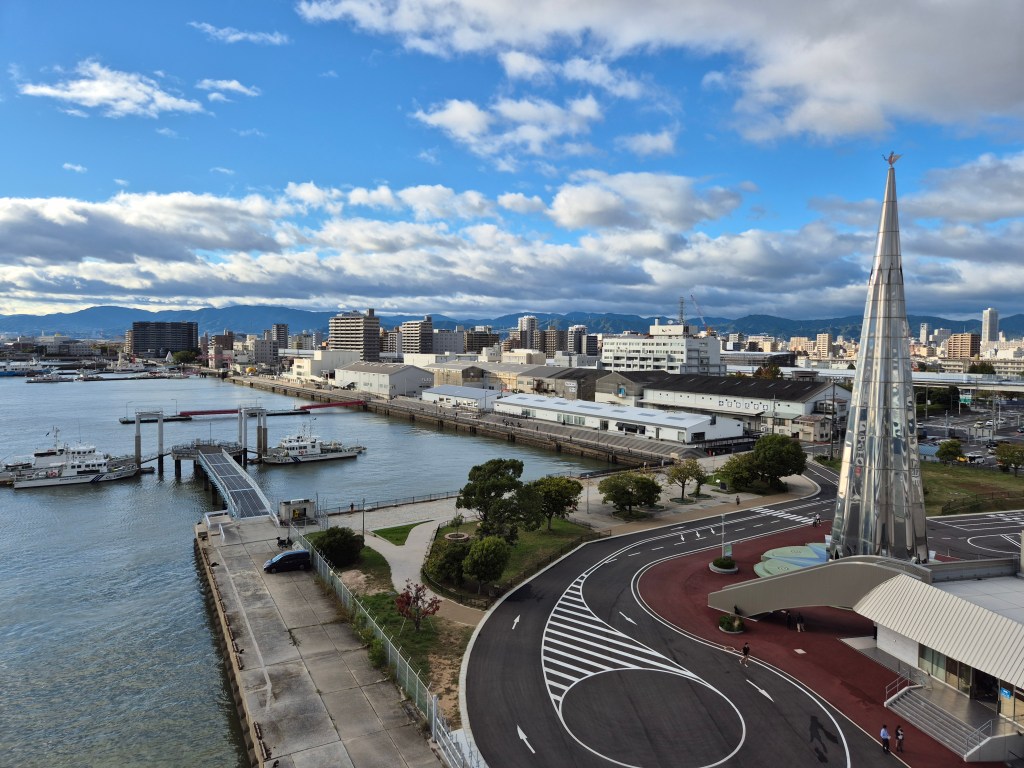
Our final stop was Okinawa, and it’s feasible that the events there and the huge loss of military and civilian life contributed to the decision to drop the bomb on Hiroshima. Okinawa was totally flattened as the US Army slowly took control at huge cost to both armies. The aim was to establish an airbase which put US bombers within range of the industrial centres of Japan.
We took a taxi to the main shopping street, which was much quieter than normal as today was Culture Day and many businesses were closed. The day was lightened by some unexpected humour from our driver who asked if we were visiting on our honeymoon…
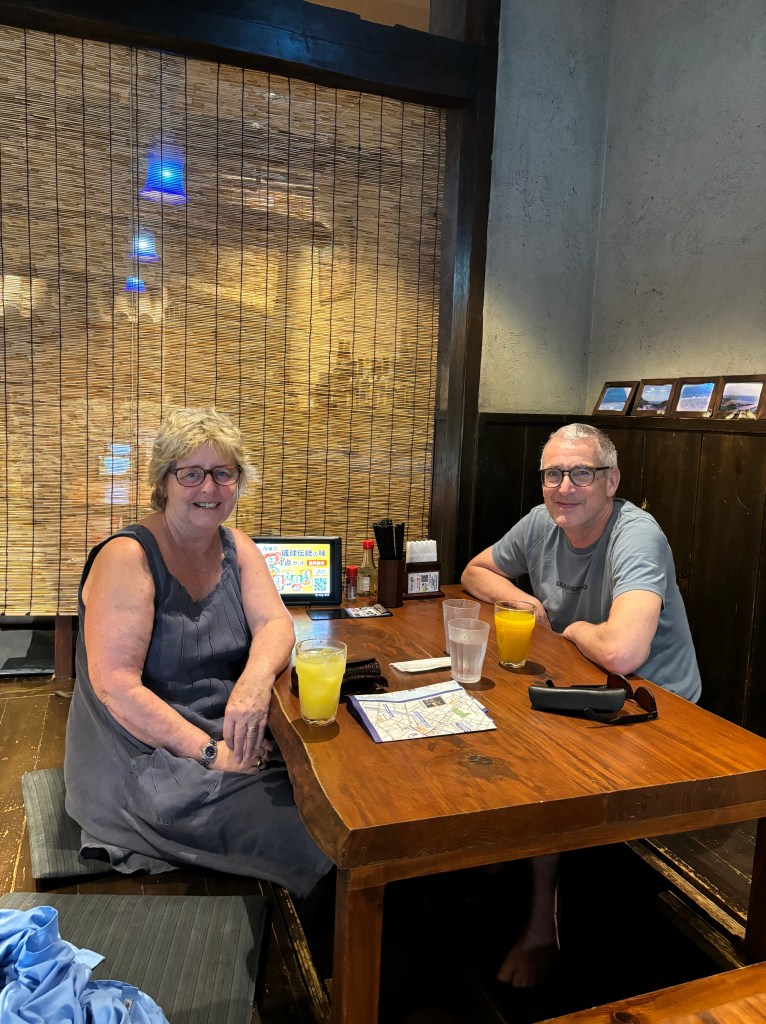
A last Japanese meal and the first that required us to remove our shoes and sit with our feet dangling in a pit.
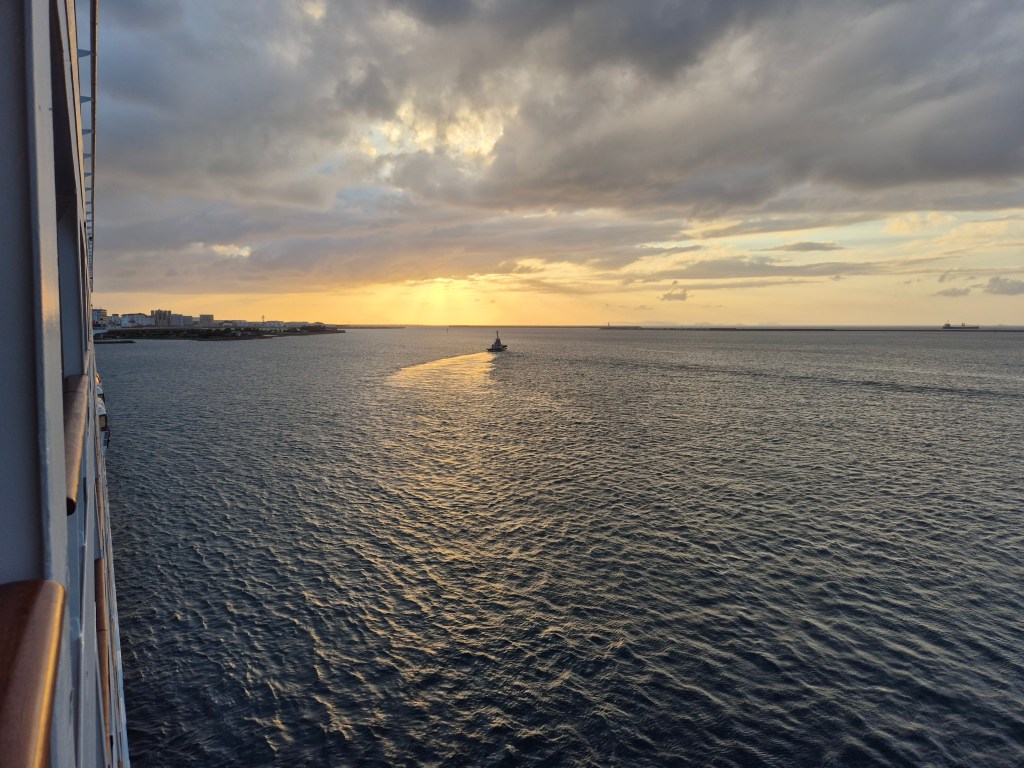
Time to leave Japan..
 Our Travels 2024 - 2025
Leave a comment