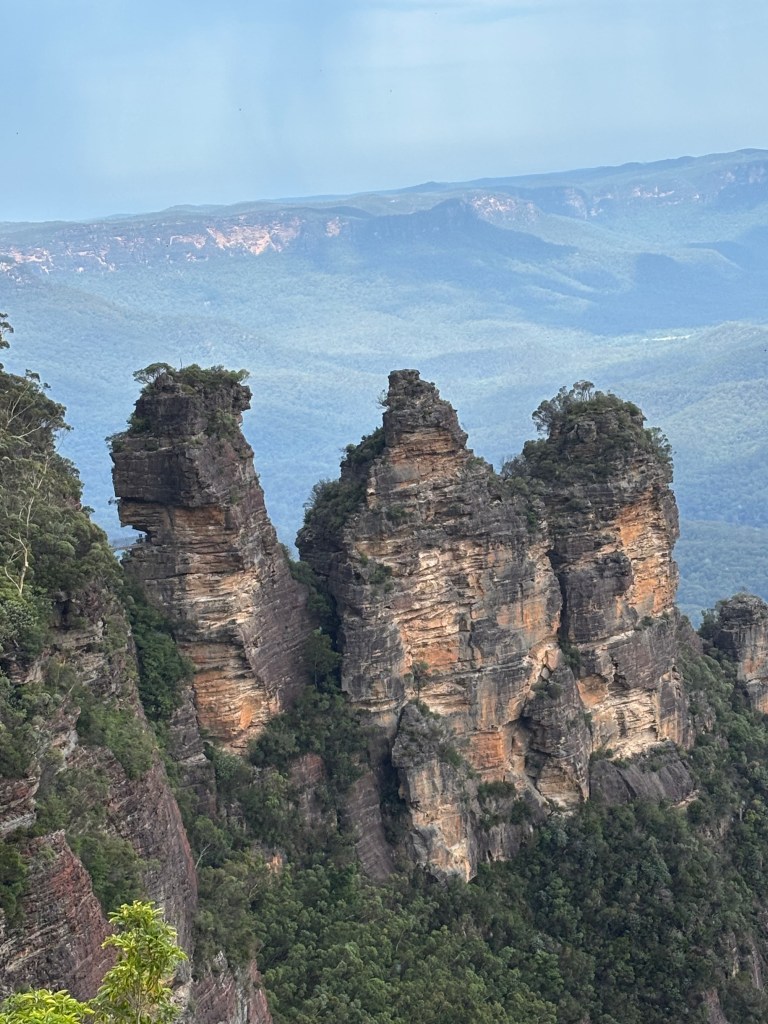
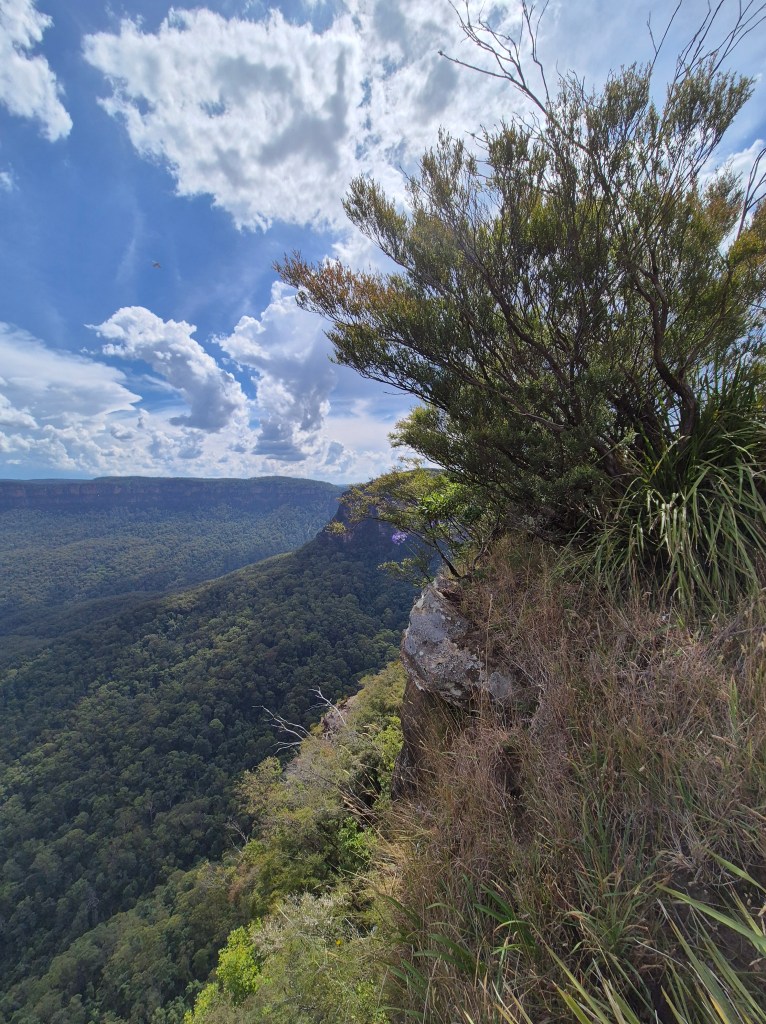
The Indian Pacific is one of several long-distance trains that traverse Australia. It runs twice weekly from Sydney to Perth and back, covering a distance of 4352 km and taking 4 days to cross the continent. The history of these trains is largely linked to railways developed to support mining and which have subsequently been taken over and developed as expensive trips for tourists. The cheap seats on the Indian Pacific were recently done away with, leaving only expensive and hugely expensive options which are snapped up by tourists wishing to experience the trip of a lifetime, encouraged by glossy and expensively produced website and tv adverts. In reality, the only thing that differentiates these trains from those which cross the US or Canada is that each crossing has a couple of free side trips, which add some variety to the journey. Ours started badly as a strike at Sydney station meant we had to be bussed to a stop located to the west of the Blue Mountains where we stopped in Katoomba to see the Three Sisters, this time without the cloud we’d experienced just the week before.
We eventually boarded the train, our tiny but fully en-suite cabin some 3 carriages down from the lounge and restaurant. At night the seating is converted to bunk beds, the top accessed by means of a ladder. As it always the case on overnight trains, space is at a premium and it takes time to get used to having very little space to store and access belongings.
The following morning we were supposed to stop at a frontier town called Broken Hill and go on a 3 hour organised tour. Having got up and prepared to disembark we were informed the tours were cancelled and we would have a short break during which we could walk around the station.
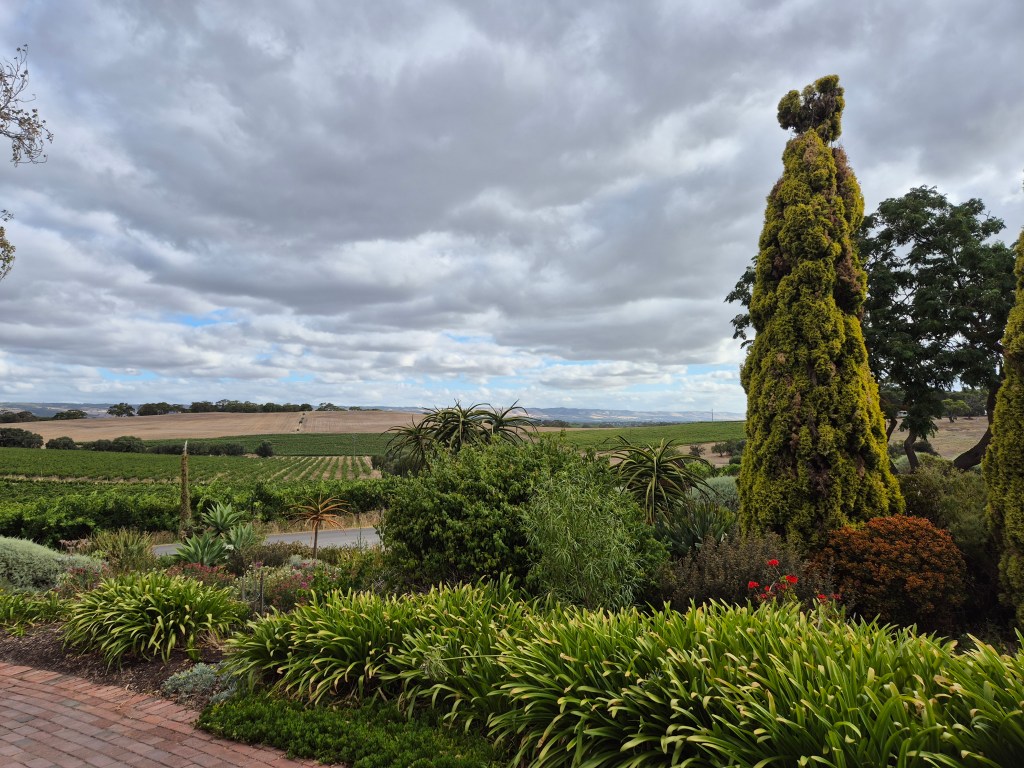
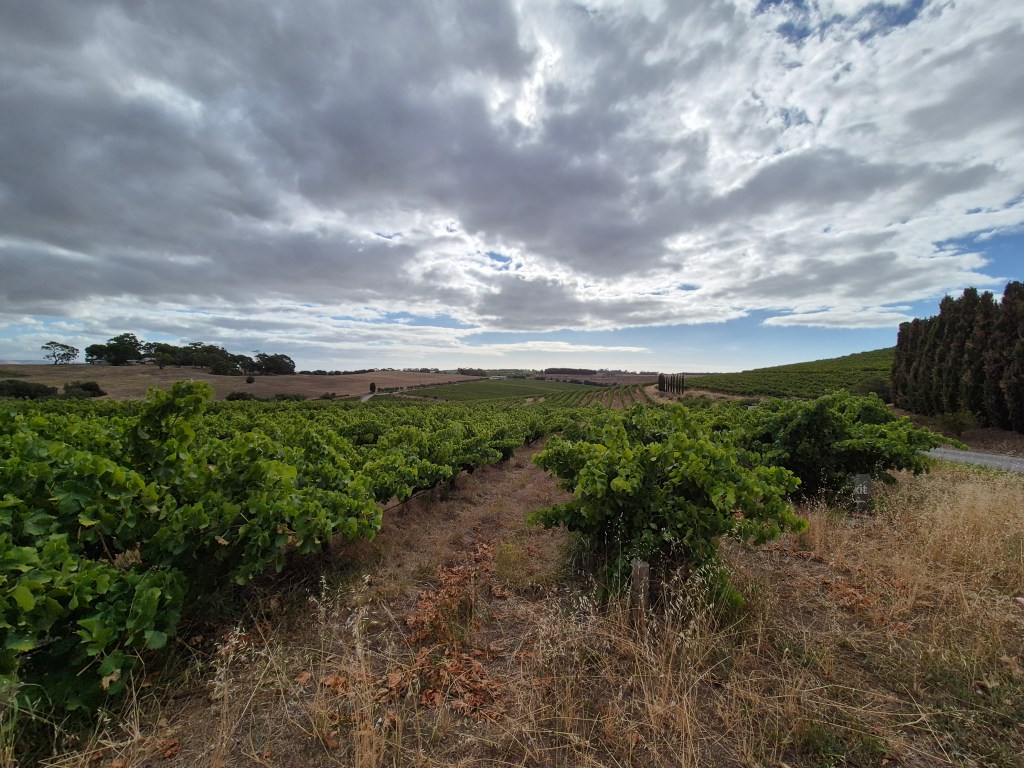
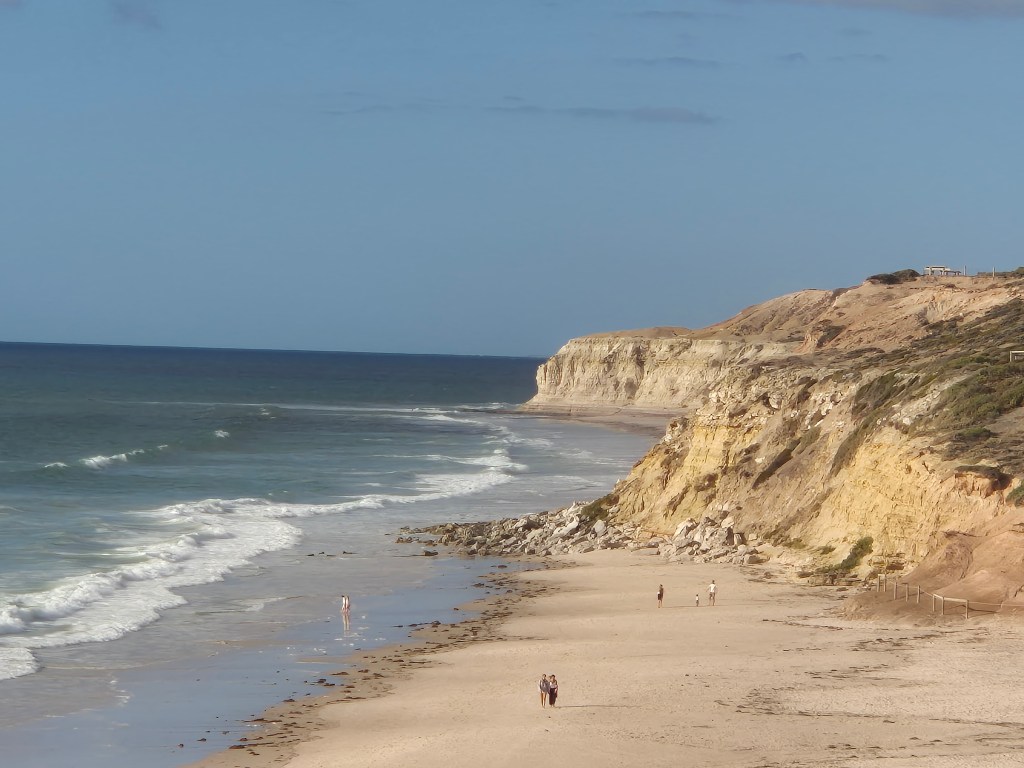
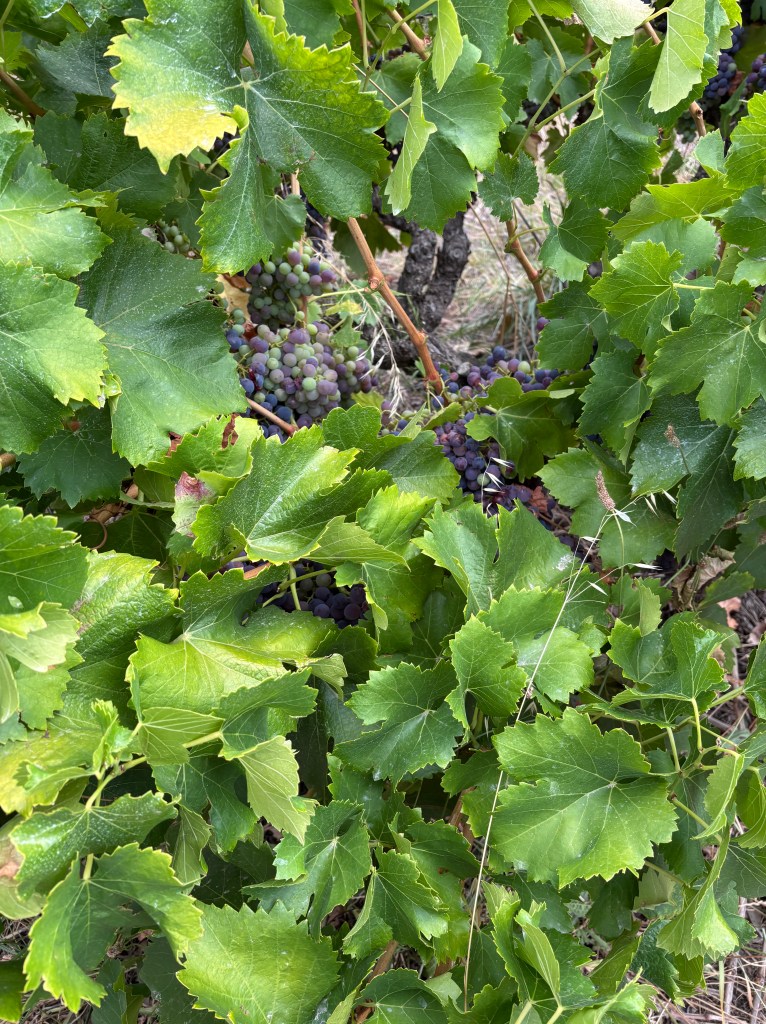
We reached Adelaide later the same day and went on an interesting visit to the McLaren Vale winery where we were allowed to taste miniscule quantities of their mainly white wine, followed by a short trip to the coast for an excellent sunset meal at the 12 Chef Hatted Star of Greece restaurant overlooking the ocean.
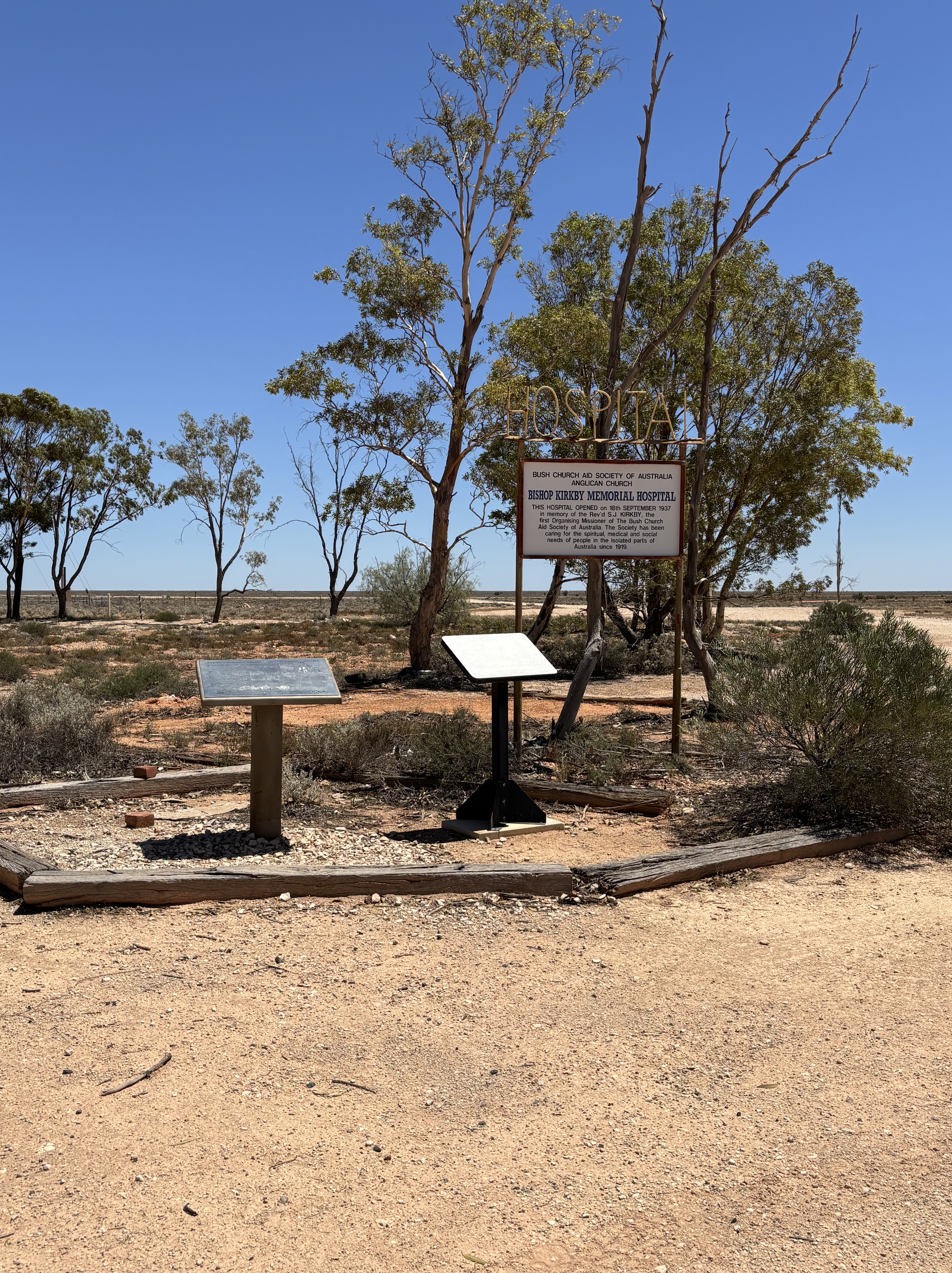
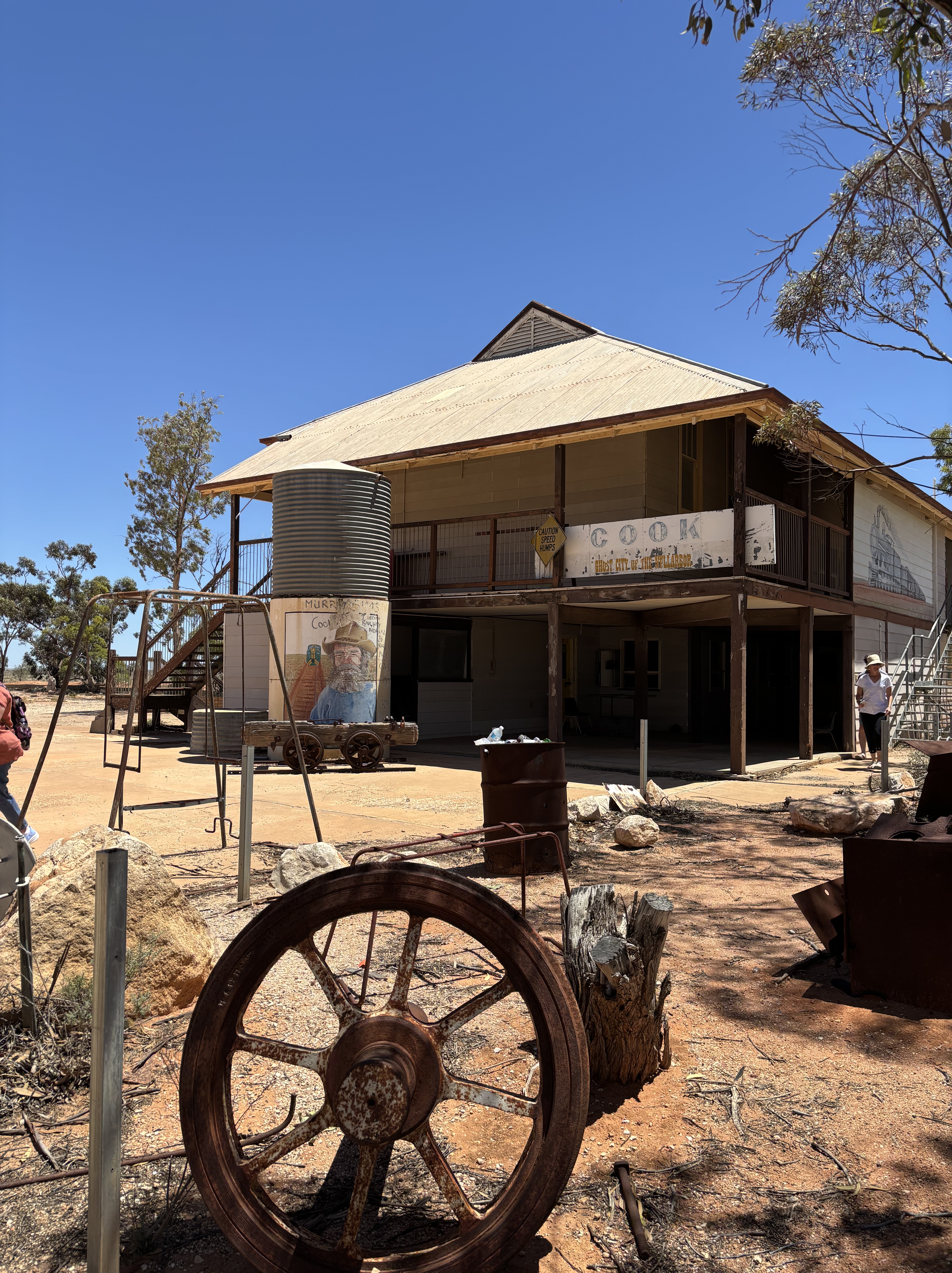
The following day we stopped at the ghost town of Cook, where we were again allowed to wander round the town and admire the fortitude of the people who called it home

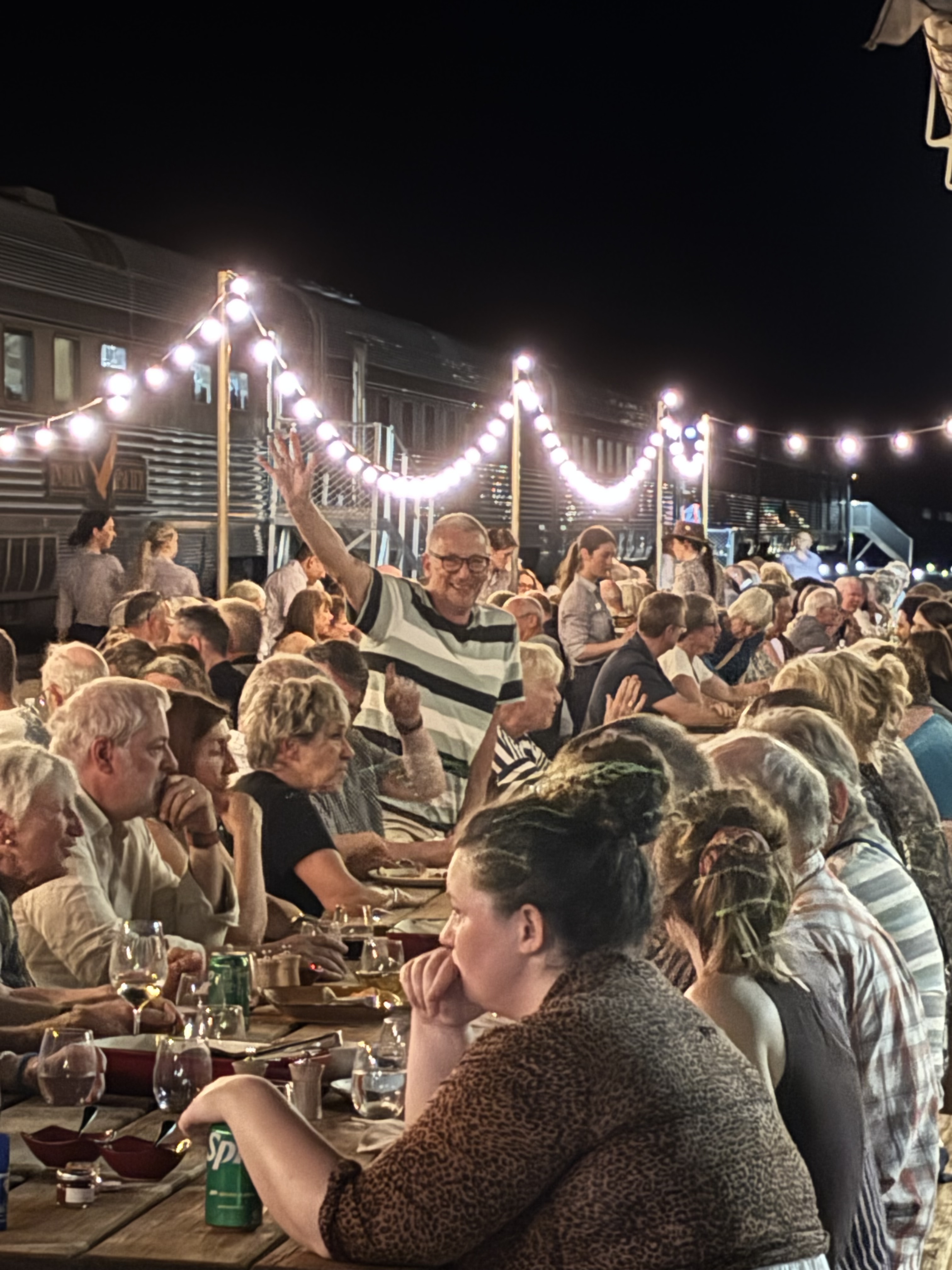
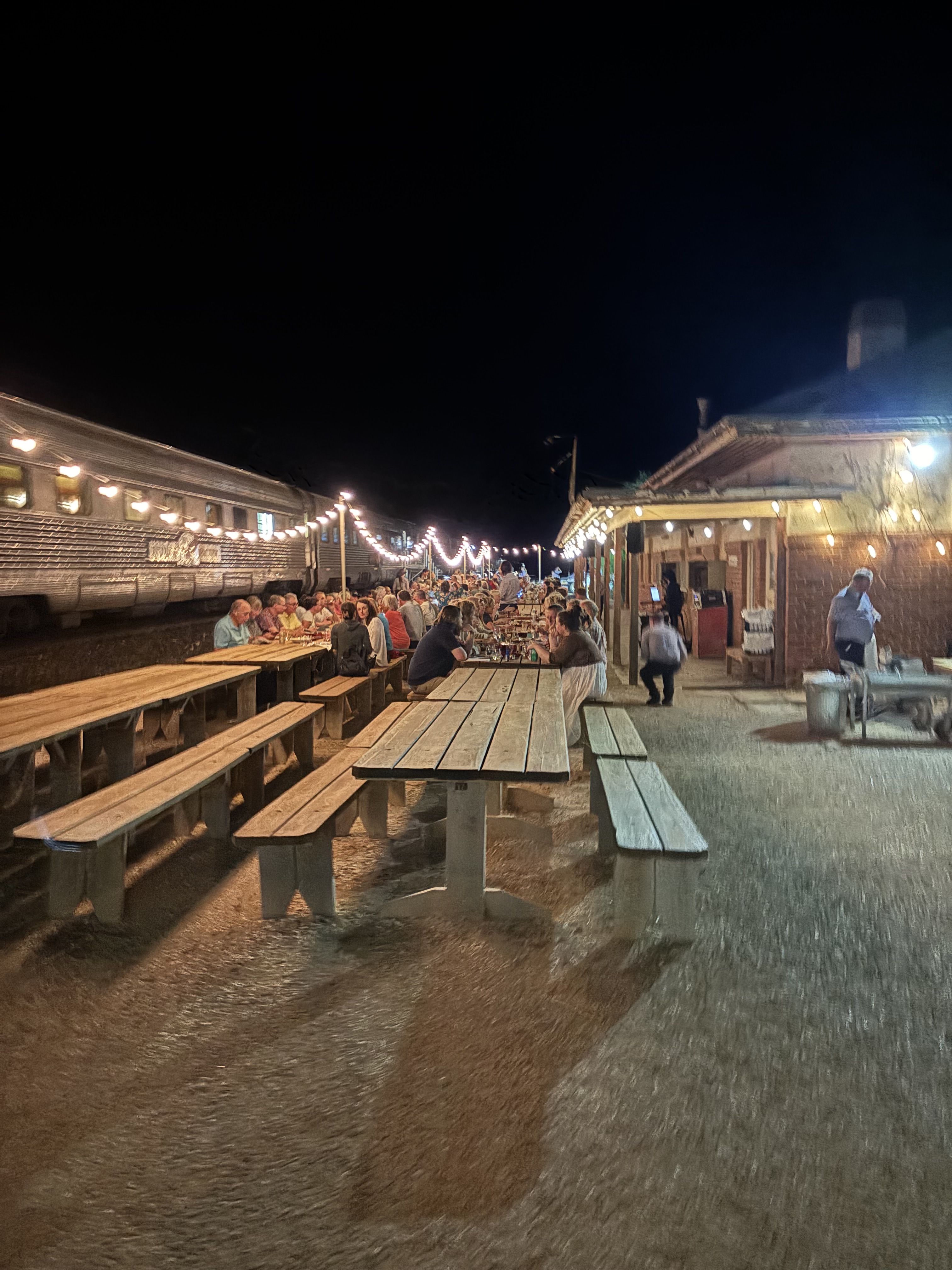
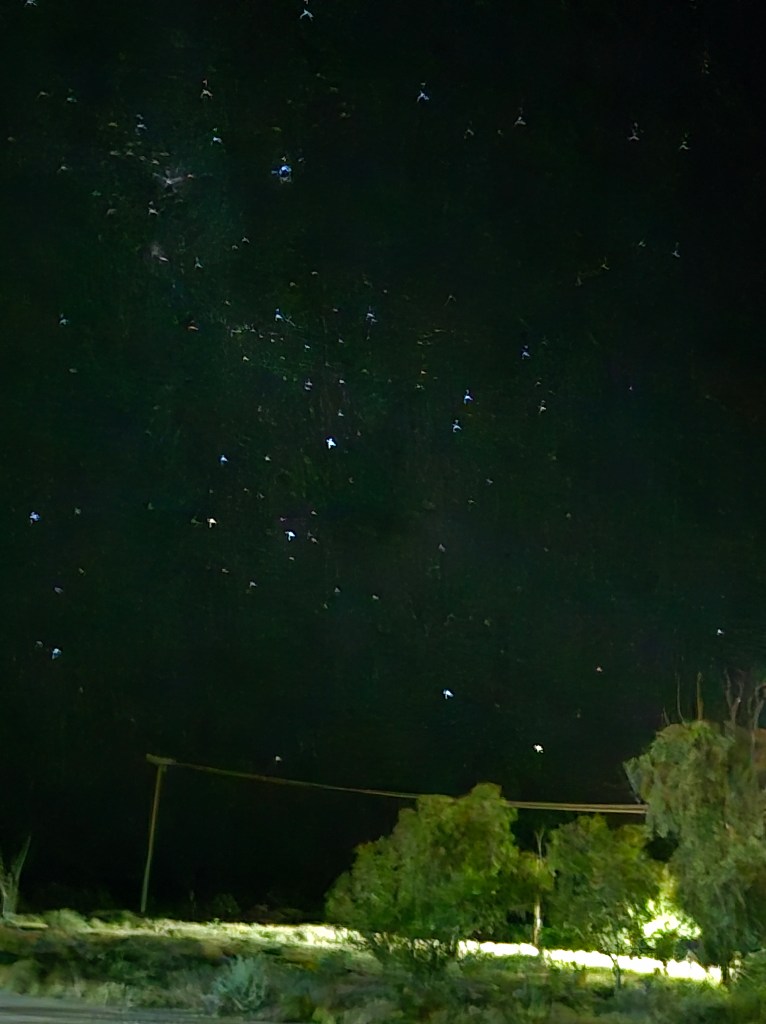
That night we had dinner at the largest sheep station in South Australia called Rawlinna on the station platform and took time off to admire the night sky.
Overall, the train is a good option for crossing the country whilst being wined and dined and watching the often featureless, but sometimes interesting countryside pass by. Our fellow passengers were a mixture of aussies embarking on a retirement trip of a lifetime and tourists ticking off another entry on their bucket lists. In reality, given the age of the rolling stock, the trip is no different to scheduled train services in the US/Canada, it is slow, noisy and sleeping is a problem on the first night as the train often stops and isn’t the smoothest mode of transport.
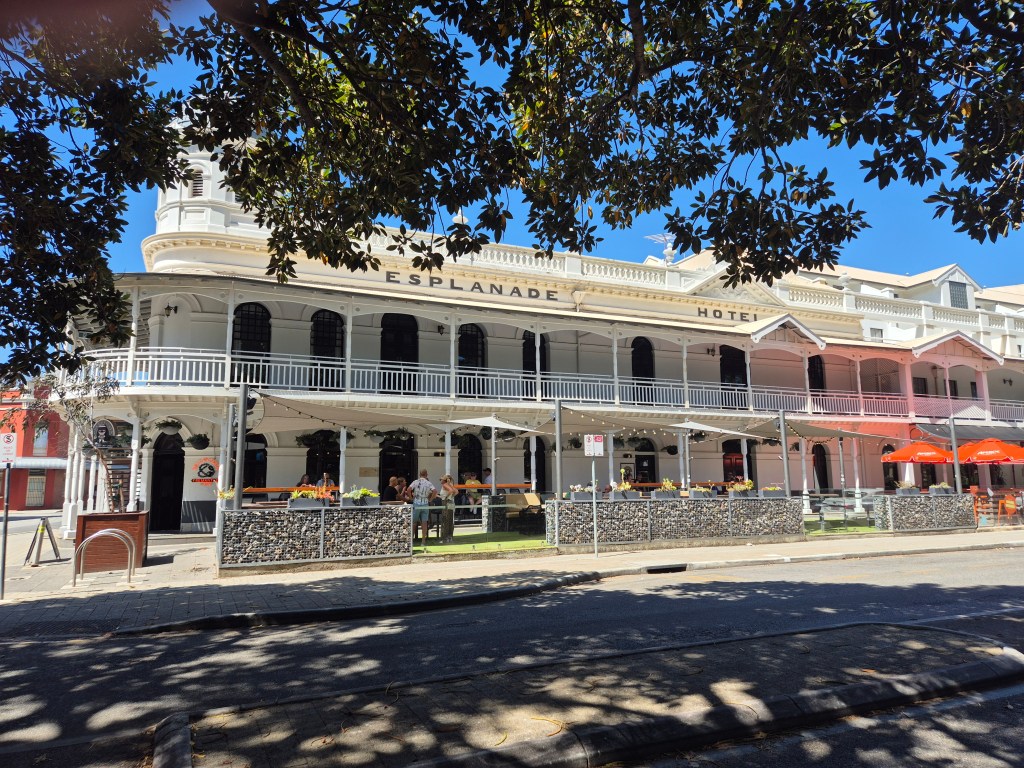
On arrival in Perth, we collected a car and drove to Helen’s schoolfriend’s house in Riverton where we ended up staying for nearly a week. A week when it got so hot the power went off overnight and days were only bearable in air-conditioned shops and car or their pool. During that time we visited Freemantle, a very pretty town not far from Perth and well known for it’s markets and street entertainment.
We drove to Mandurah a pretty little seaside town an hour away from Perth and went on a short boat trip around the canals they have built and looked at lots of expensive properties but luckily saw the local dolphins so not a complete waste of time. We had hoped being on the water would help with the 38c but it didn’t so we returned to Riverton and the pool in the garden.
As a thank you to Rosie we booked a river cruise to the Mandoon Estate, a winery located up the Swan Valley. Our restaurant boat headed sedately up the river, past the fantastic new Perth football stadium and into the hinterland where so many vineyards are located. We were fed and had a few wines to taste before arriving at Mandoon where more wines were provided for our increasingly less discerning palates. The return was less civilised, as the free bar was open to all. The trip was fun and took our mind off the heat and humidity. Before heading back to the pool we stopped at the local pub to rehydrate

We took a couple of days off and travelled up to Cervantes and the Nambung National Park. Whereas the latter is best known for it’s “Pinnacles”, the former, where we stayed in an apartment, is well-known for it’s lobster fishery, stromatolites and constant smell of rotting seaweed. The national park is effectively a massive area of sand dunes, part of which has been blown away to reveal pinnacles of rock.
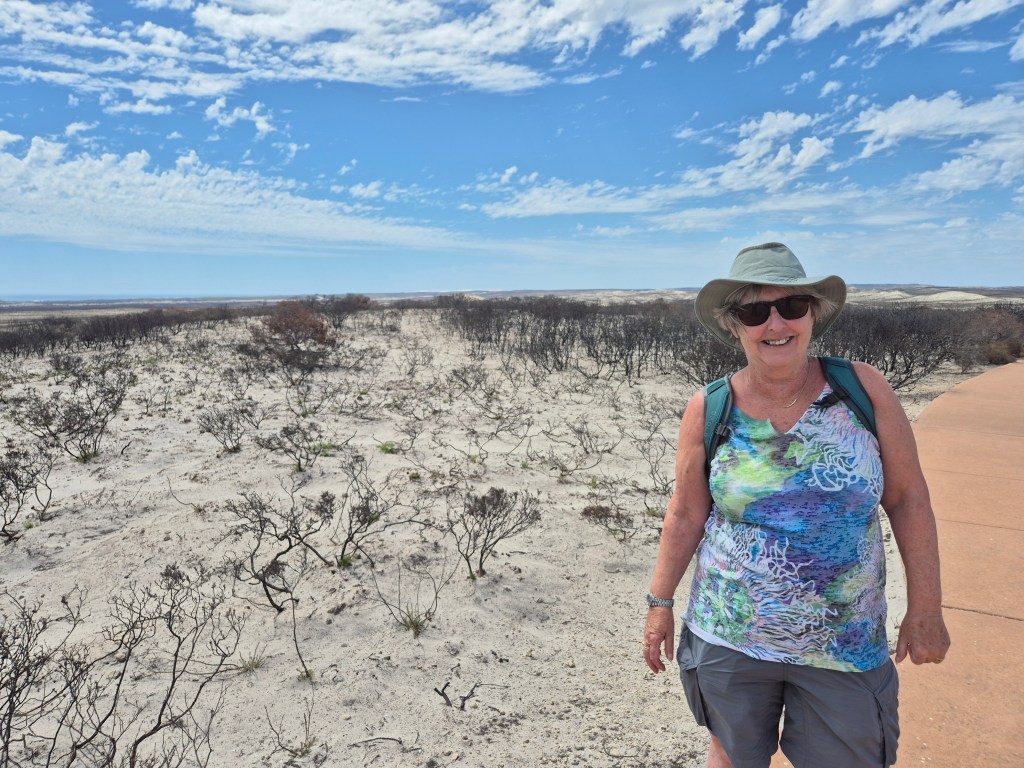


On our way back we stopped at Yanchep National Park, known best for its’ introduced koalas and Carnaby’s Black Cockatoos
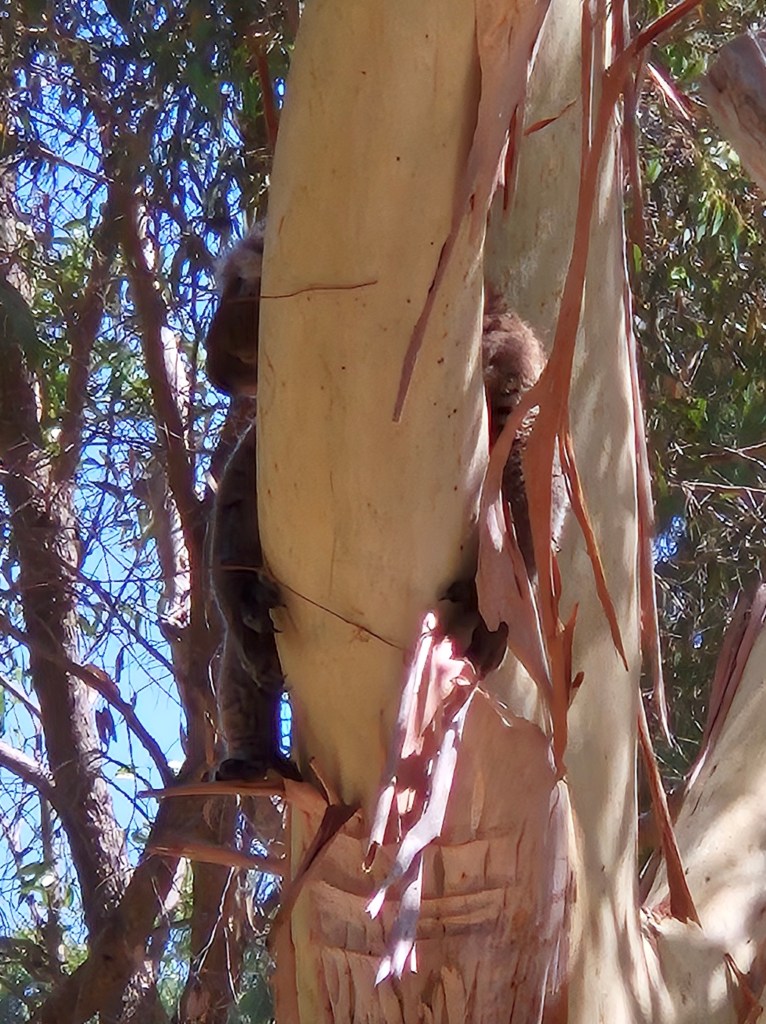
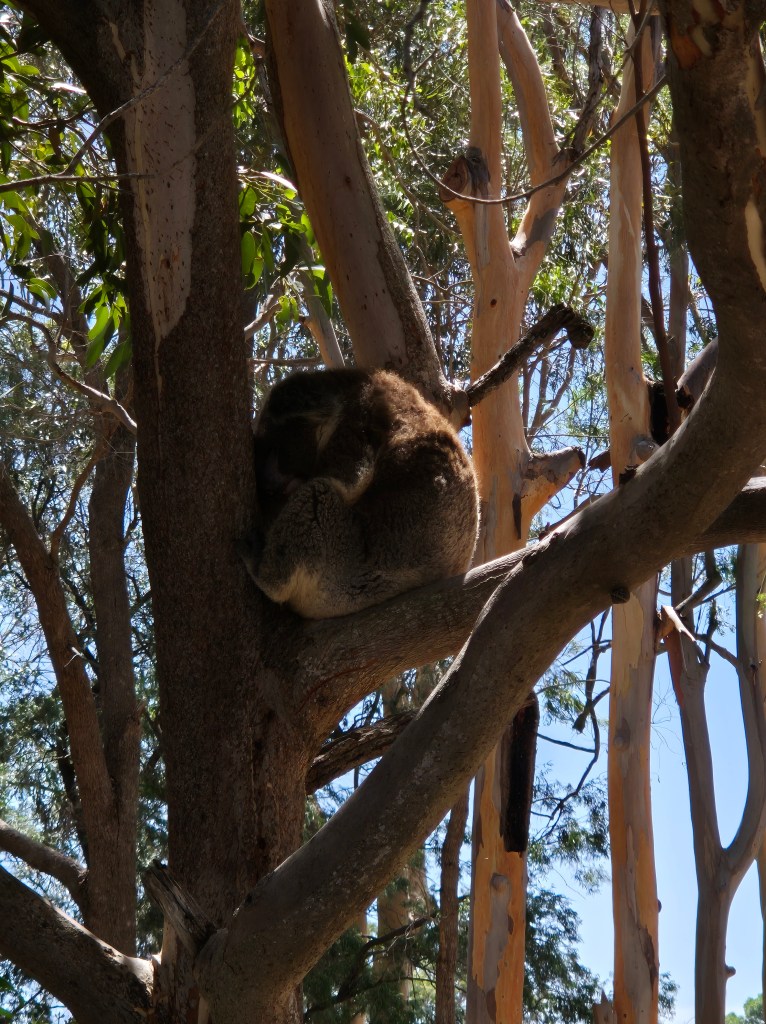
Tali had managed to get some time off and flew over to join us for a few days. On our first evening Rosie took us to a show at the Perth fringe, where we enjoyed the delights of a burlesque something or other before departing the next morning for Margaret River and our chalet in the middle of nowhere
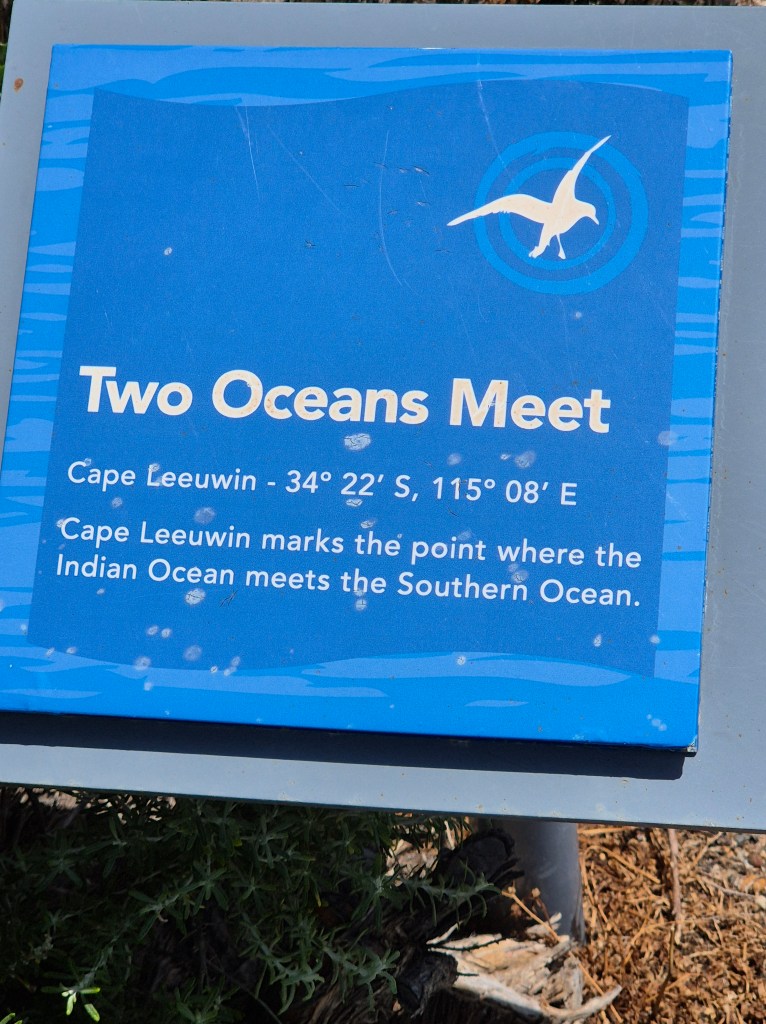
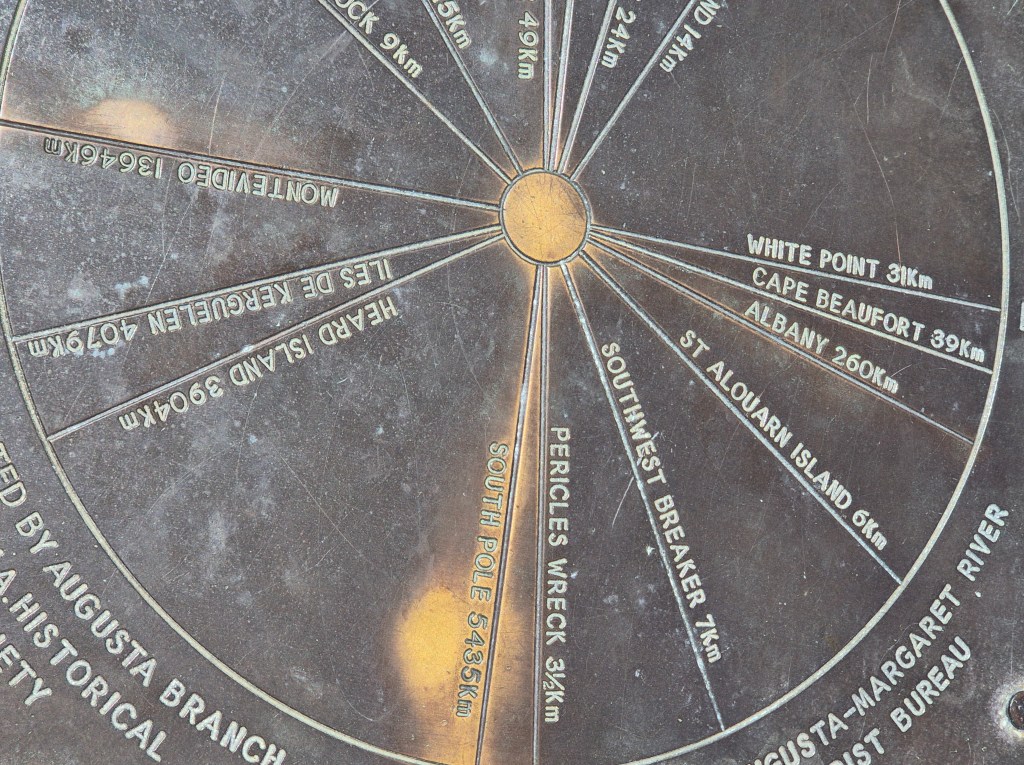
We stayed at a small town called Deepdene with very few facilities, the fully fitted kitchen consisted of very little, the BBQ hadn’t been used or cleaned in years and we had a 4th occupant (luckily only a mouse), although where there’s mice there’s usually a snake! The real pull was the beautiful and wild coastline, especially at the Cape Leeuwin Lighthouse where the signage makes the most of the extreme geographical location. There is nothing between the cape and the antarctic in a southerly direction, or between the cape and Africa in a westerly direction. This meeting of 2 major oceans, one warm, one cold, creates unique conditions for wildlife and this area lies on the migration route of several whale species

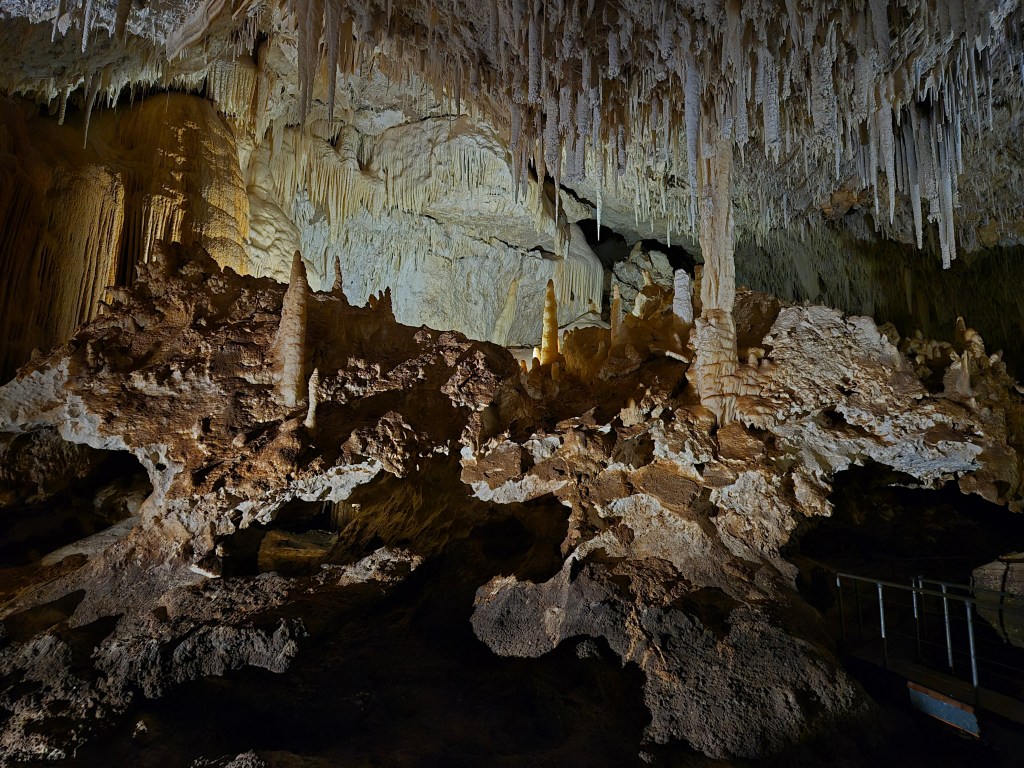
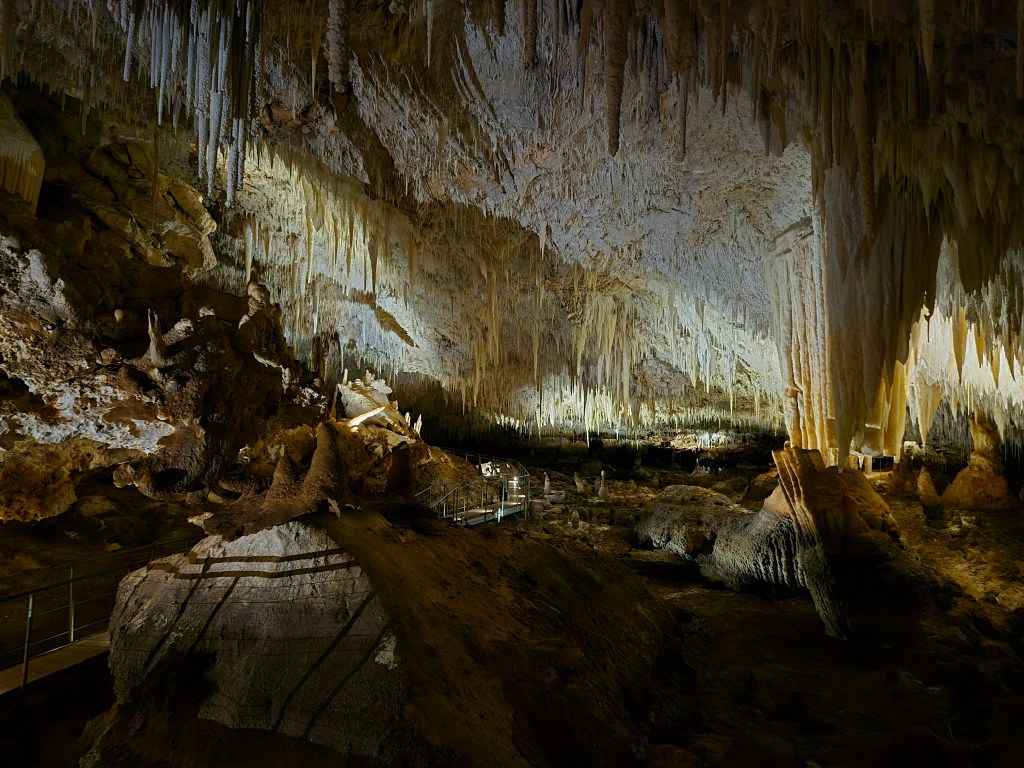
The whole area is also famous for it’s limestone cave systems, each of which has a unique selling point! One has a boat to take the visitors round, others have the remains of lost-long Australian predators and others have lots of steps and fantastic displays of stalagtites and stalagmites. We visited the Jewel cave with 500+ steps but some incredible views.
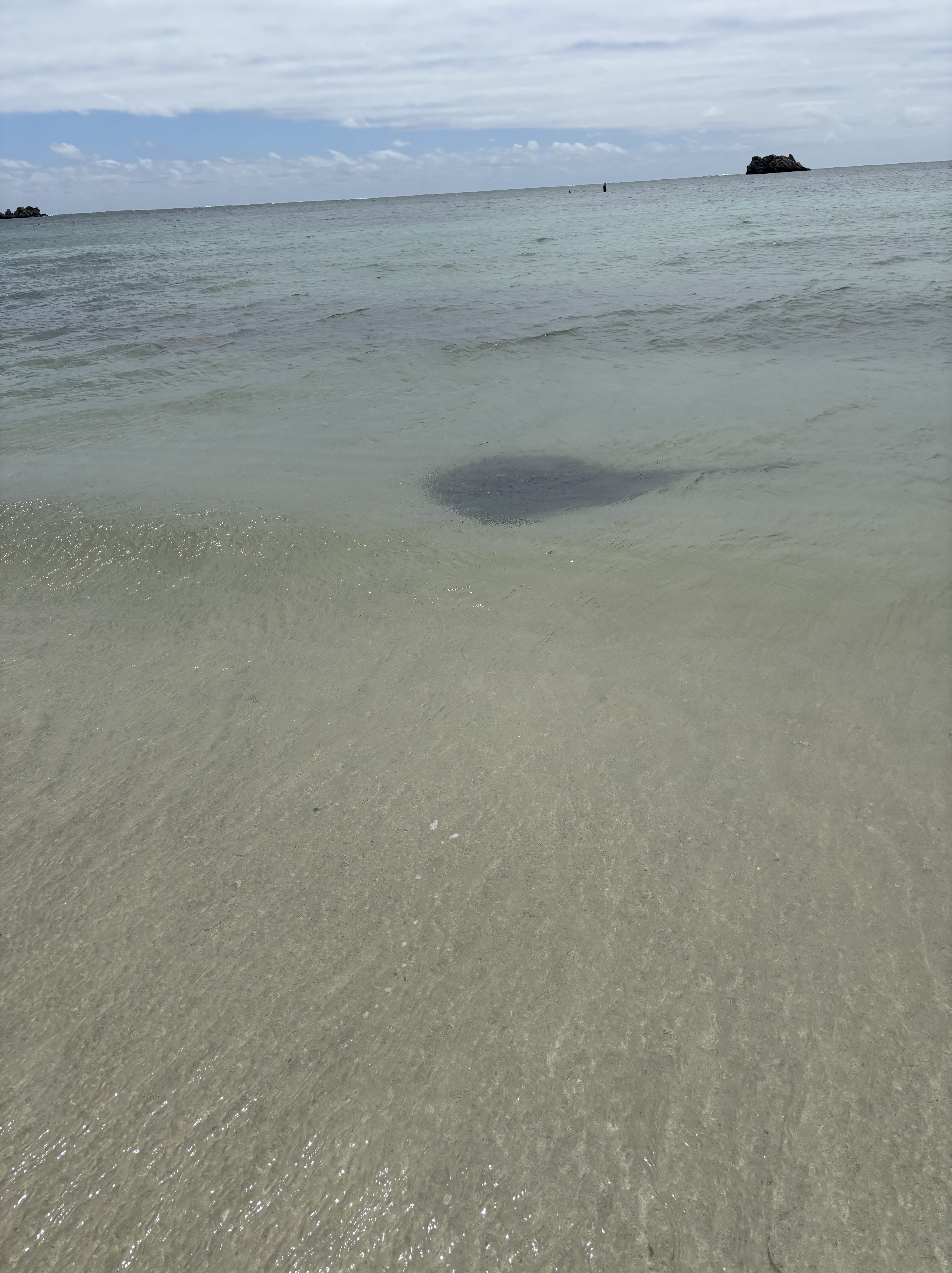
Hamelin bay is famous for its Rays and we were lucky enough to see one.
The Margaret River area lies between Cape Leeuwin at the southern end and Cape Naturaliste in the north, connected by the 135km “Cape to Cape” footpath. To complete the whole thing takes 5-9 days so Tali & I decided to do one section of it, starting at Hamelin Bay, heading south. In Australia it’s very easy to find oneself in the wilderness and this trail certainly passes through some fantastic landscapes.
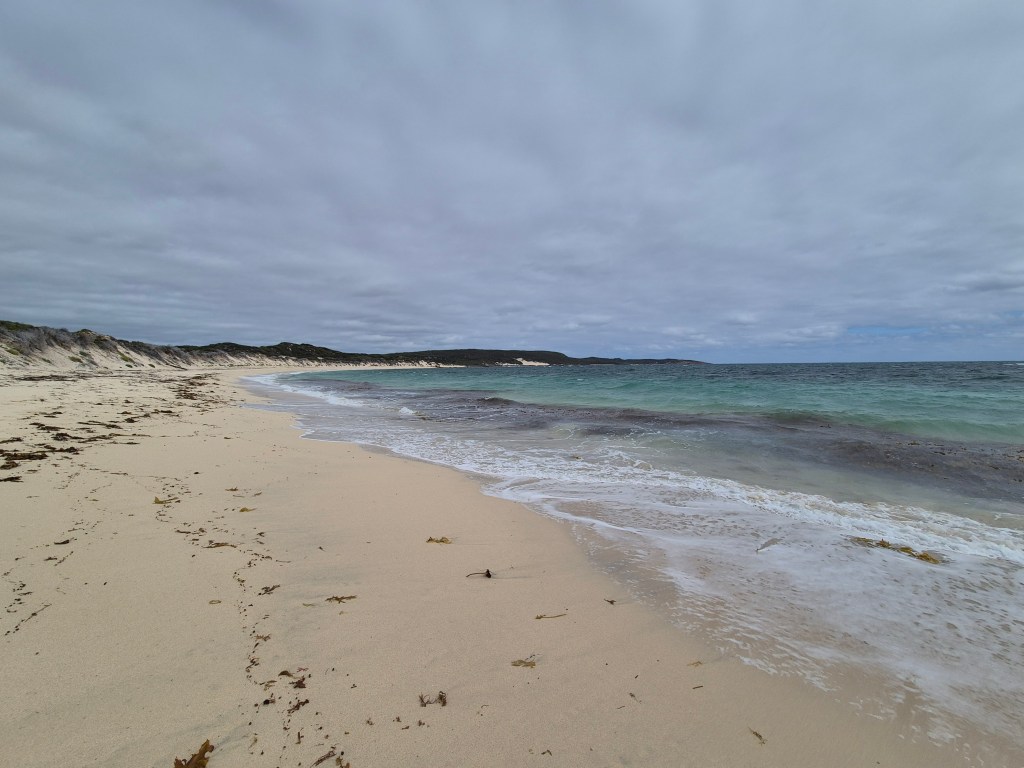
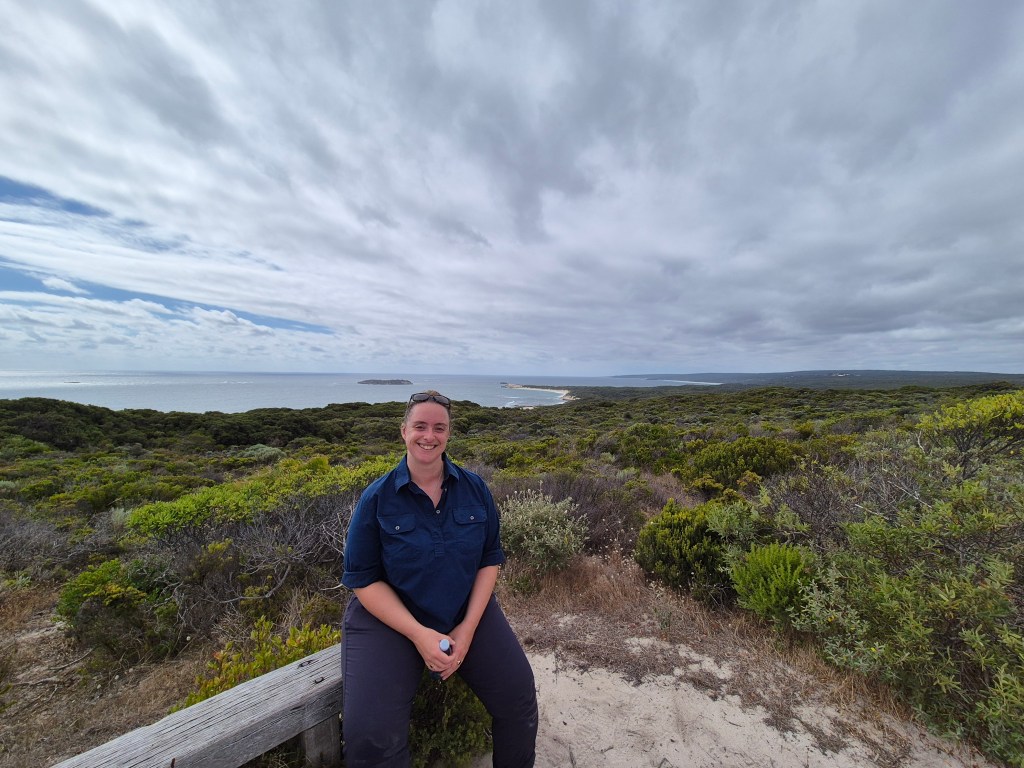
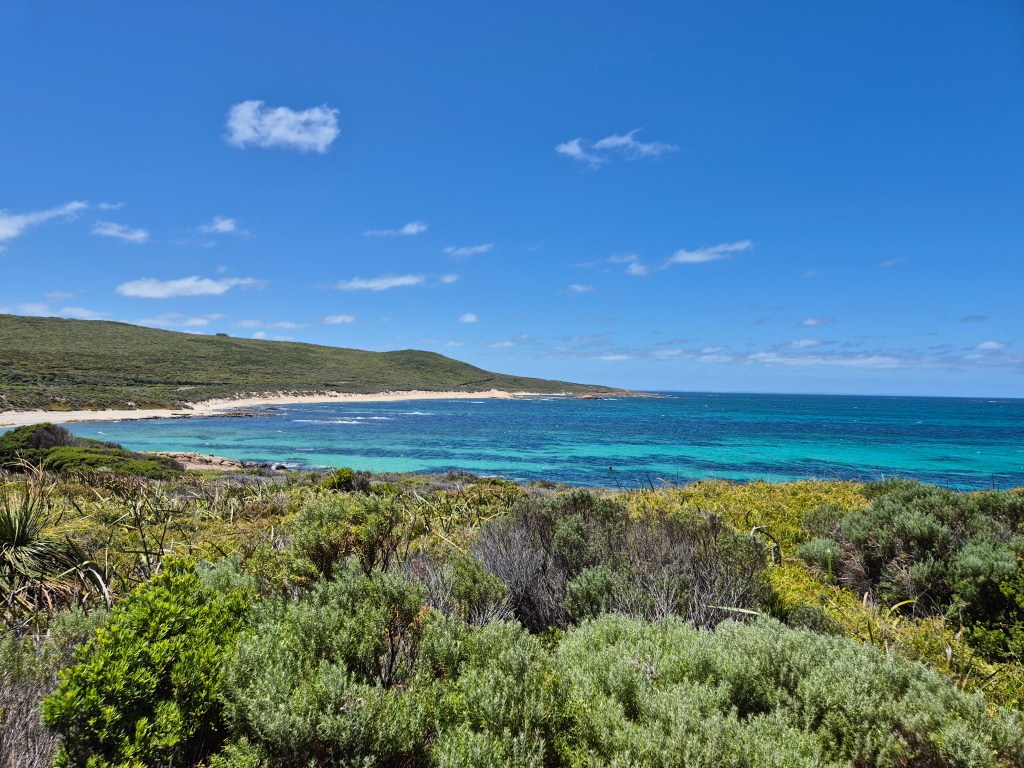
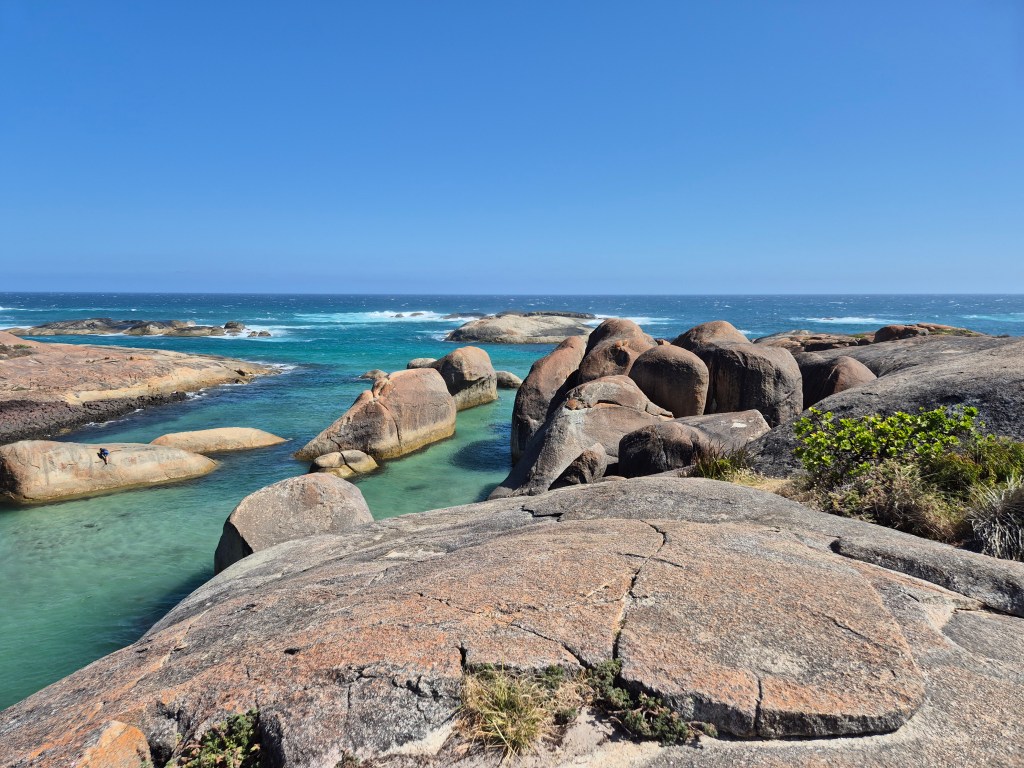
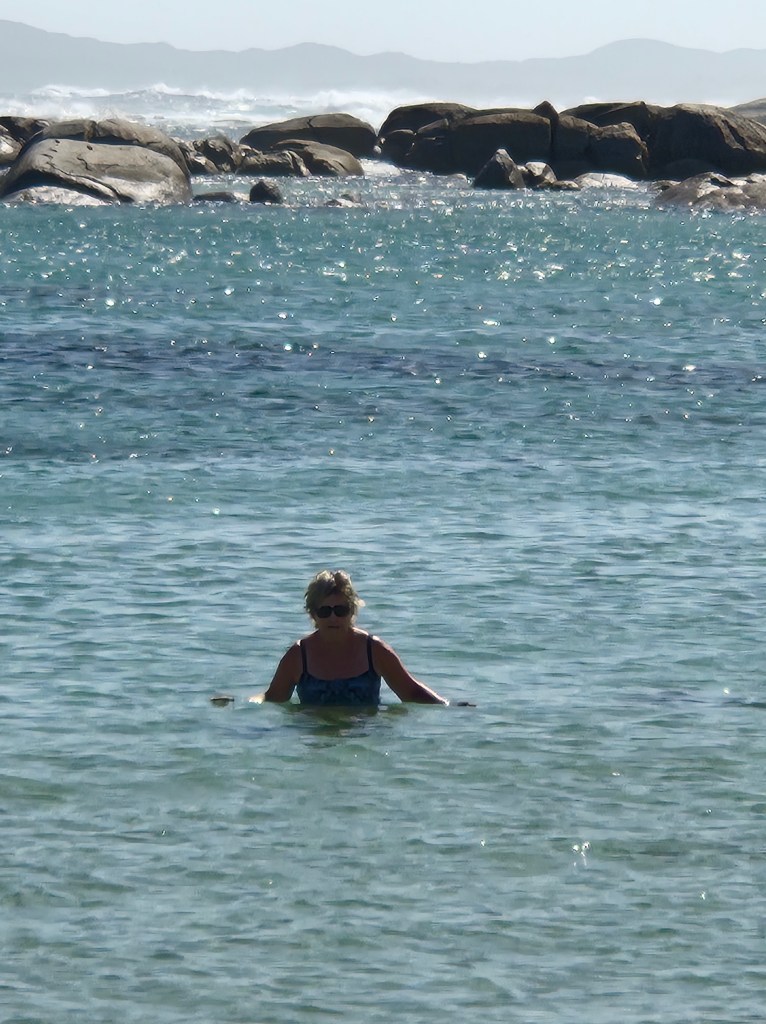
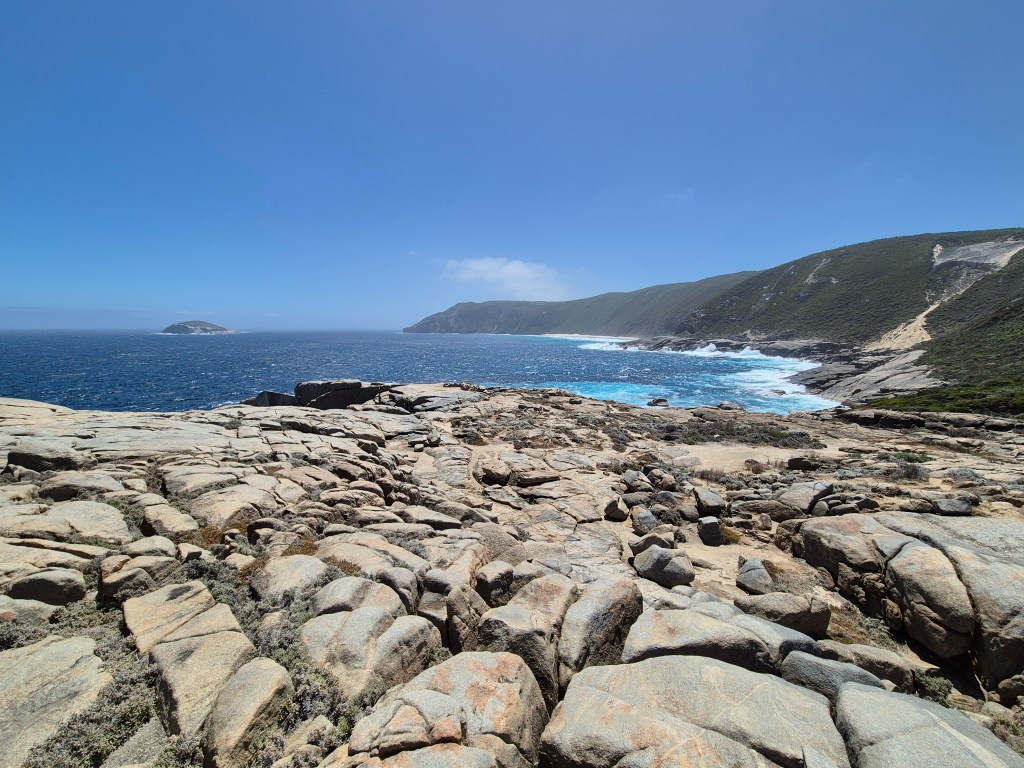
After dropping Tali back in Perth we headed for Denmark, a lovely town situated on the south coast of south-west WA, known for it’s artists and bohemian ambiance, located in one of the most unspoilt areas of the south-west. Our accommodation was some distance from town, located in an area of bush next to the coast. The coastline here is stunning with huge rock structures dominating the scenery, interspersed by small beaches
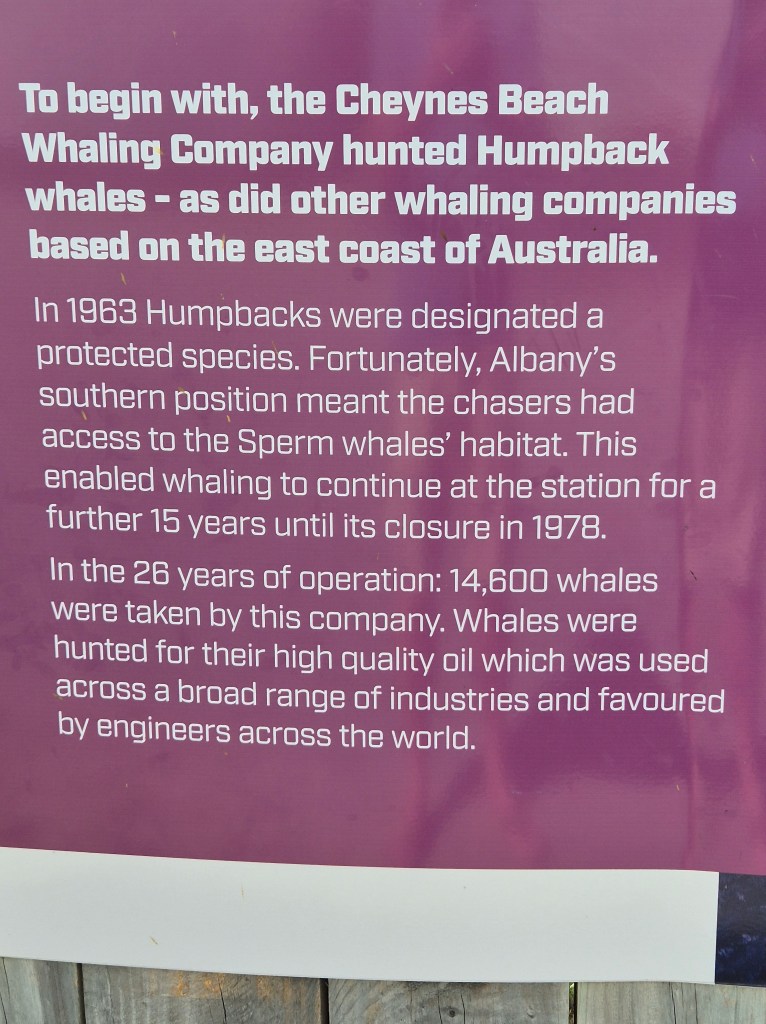
One thing we were totally unaware of is that whaling was a big industry on this coastline until the 1970s and the story of one of the biggest whaling stations is told at the Albany Historic Whaling Station. Despite the sad subject matter this was a fascinating insight into the life of a whaler and how valued the whale carcasses were regarded, in terms of the raw materials they provided and jobs they sustained. One thing that struck me was the total lack of remorse in what had happened, how humans could inflict such pain and distress on these fantastic creatures. This was encapsulated by the following poster:
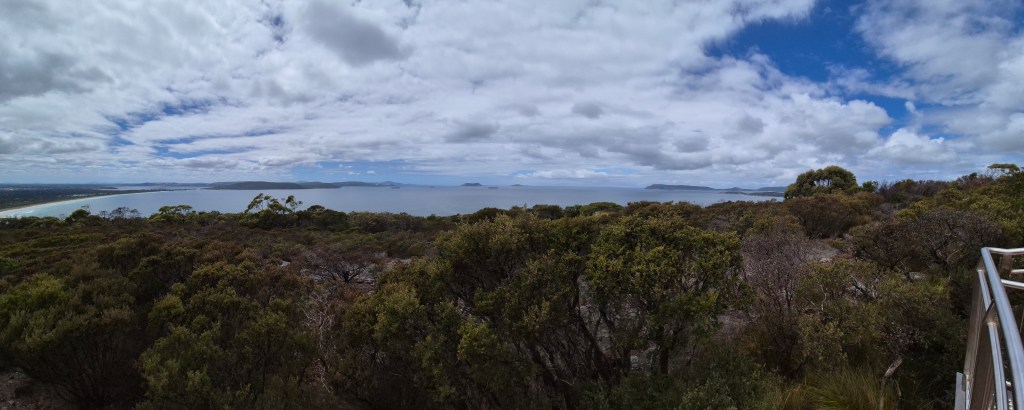
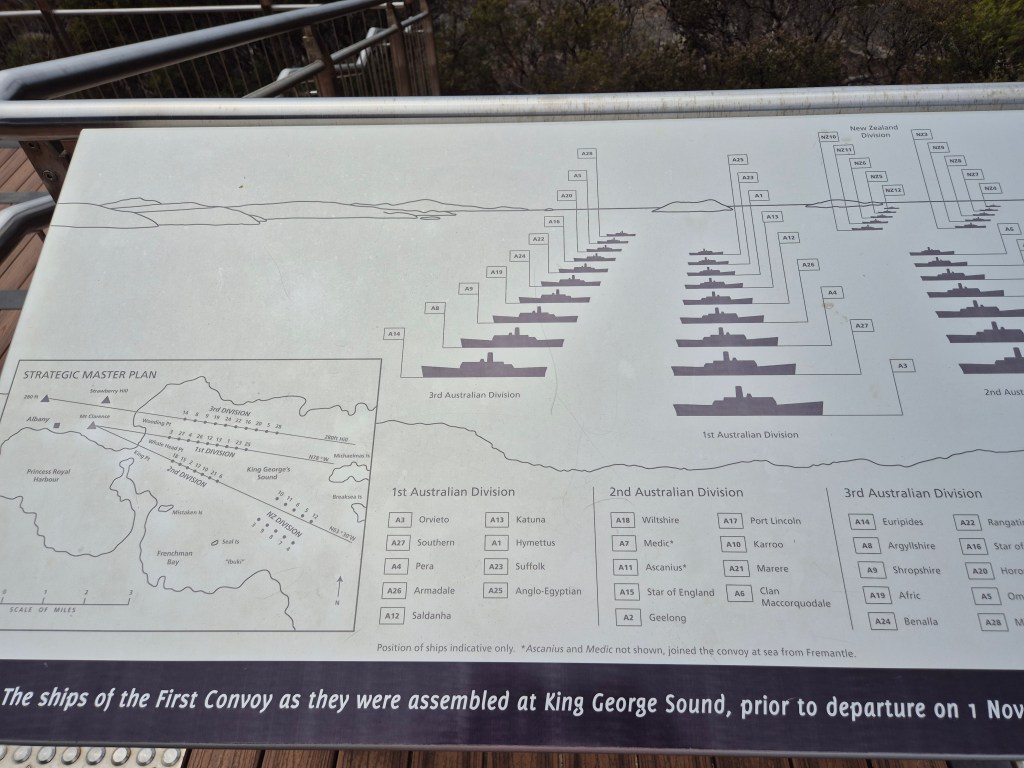
The other tourist attraction in Albany was the National Anzac Centre which commemorates the 40,000 New Zealanders and Australians who passed through this port to support the war effort in 1914-1918. The bay is massive and was used to form up the convoys which shipped these men over to support the Commonwealth
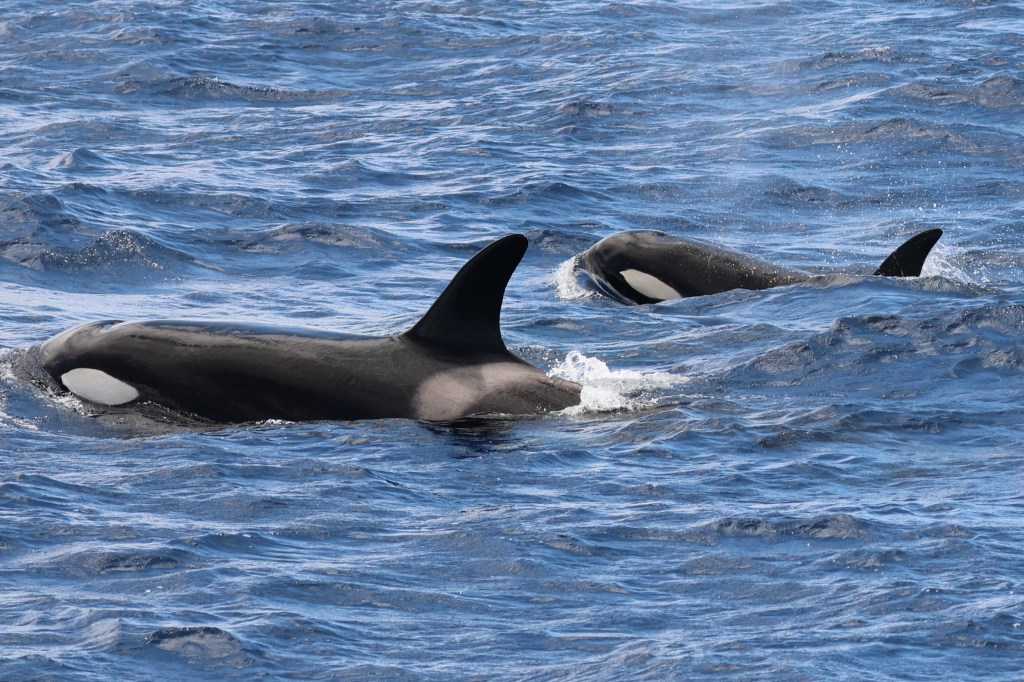
Bremer Bay is situated some 3 hours drive east of Albany and although a beautiful, if isolated place in its own right, it is best known for whale-watching and, in our case, the orca watching tour.

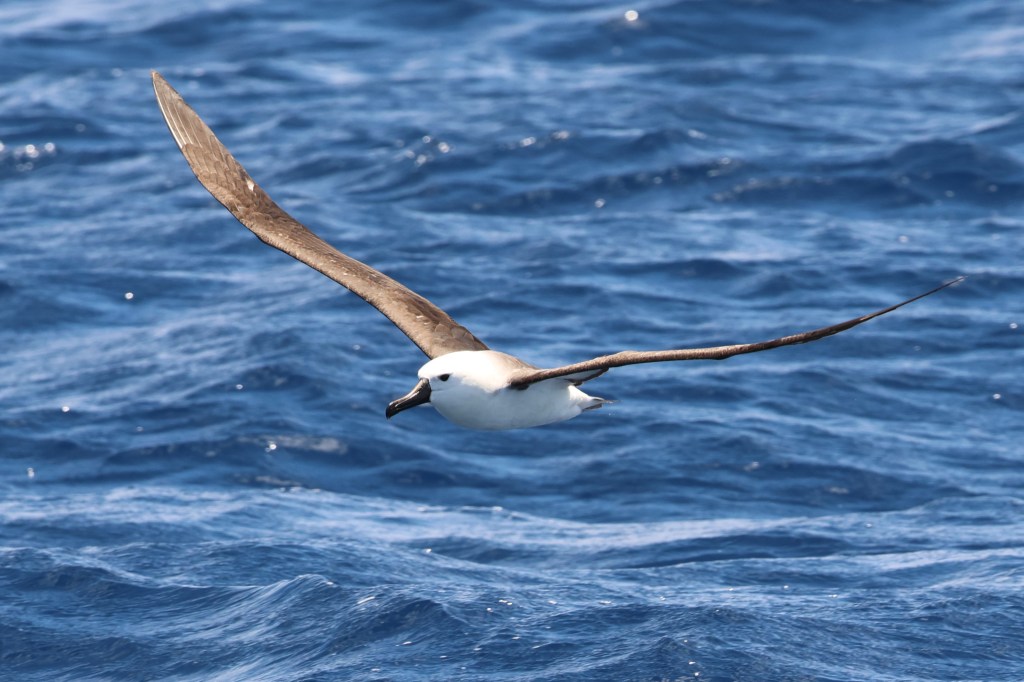
Accommodation is limited to camping and few cabins on the campsite and the options for food were to cook or go to the brewery or pub. The tour itself was incredible, the boat filled up with tourists of all colours and creeds, to be faced with the great leveller, seasickness, as the catamaran powered out 20 km into the Southern Ocean. As seasoned passengers on such vessels we stayed on top, in the cool breeze and enjoyed the power of the ocean. Down below things were very messy and a number of passengers never seemed to recover, enduring this horror until we arrived back 7 hours later. Once at the edge of the continental shelf we enjoyed constant orca sightings plus a number of close encounters with seabirds of different types. A truly excellent day.

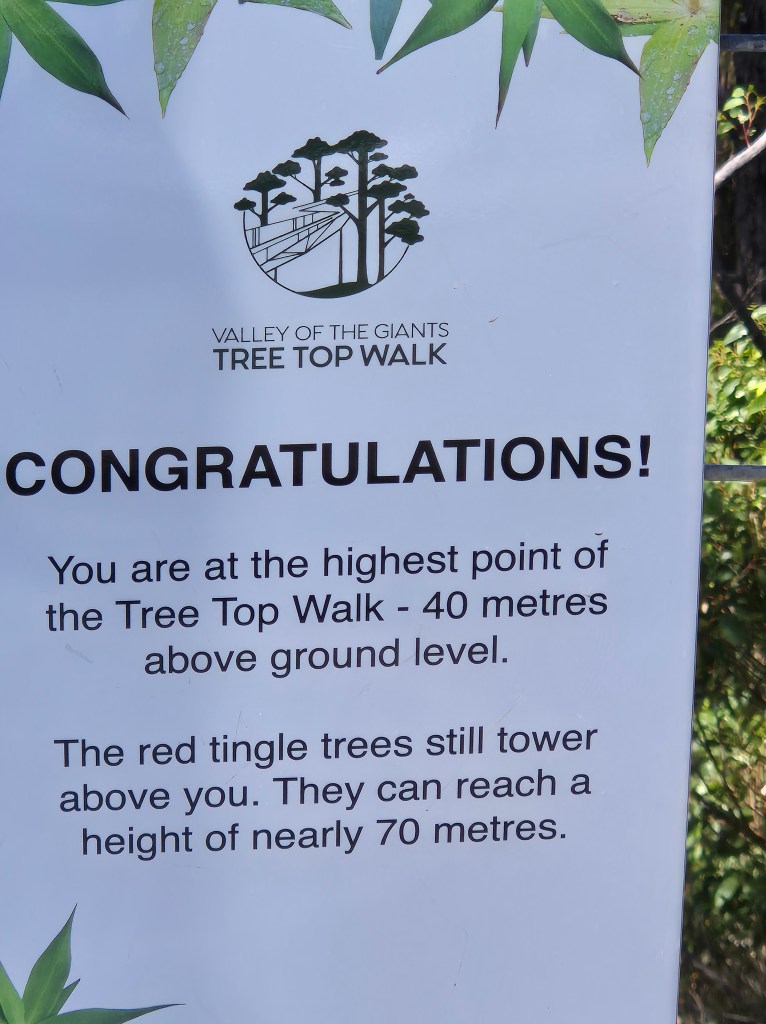
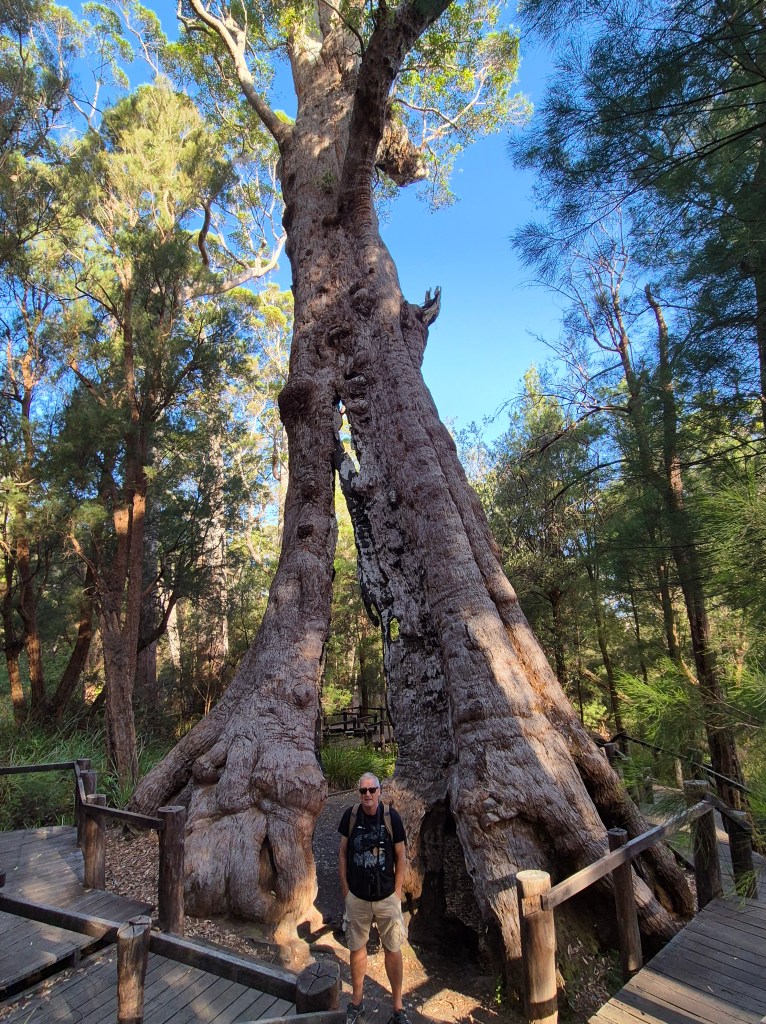
Heading back west, we stopped in Walpole, a beautiful village located on the edge of a huge area of primary growth forest. This area, which spreads for 10s of miles to the west has some huge trees reminiscent of the redwoods in California. These can be seen from the wobbly structure better known as the Tree Top Walk
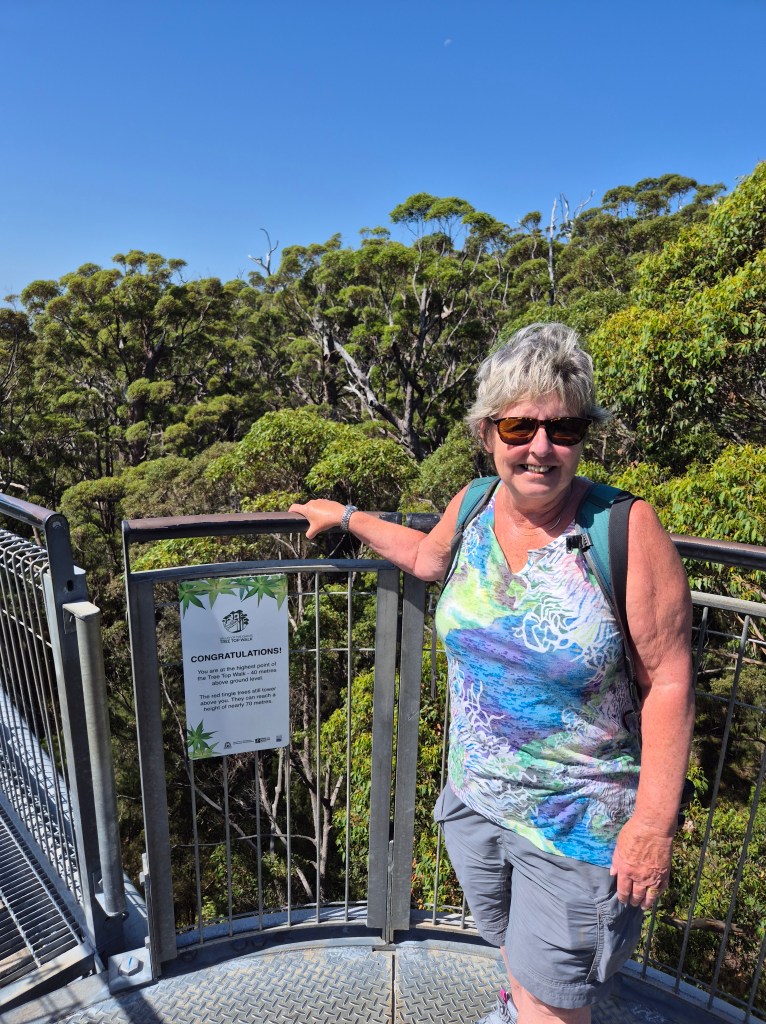
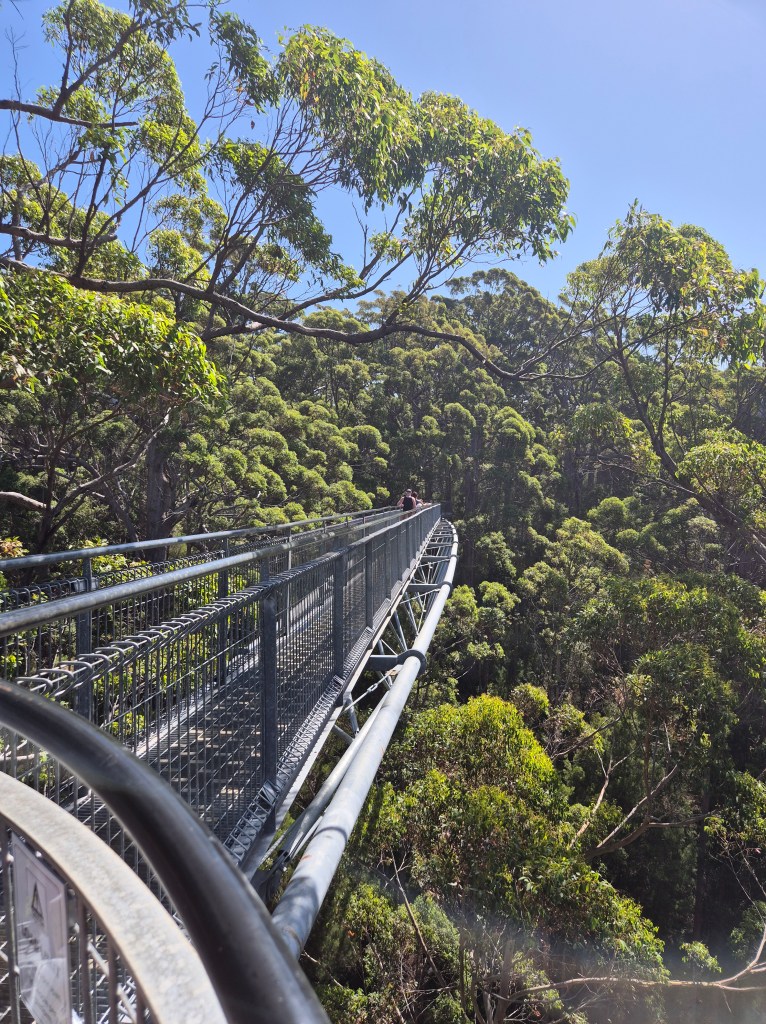
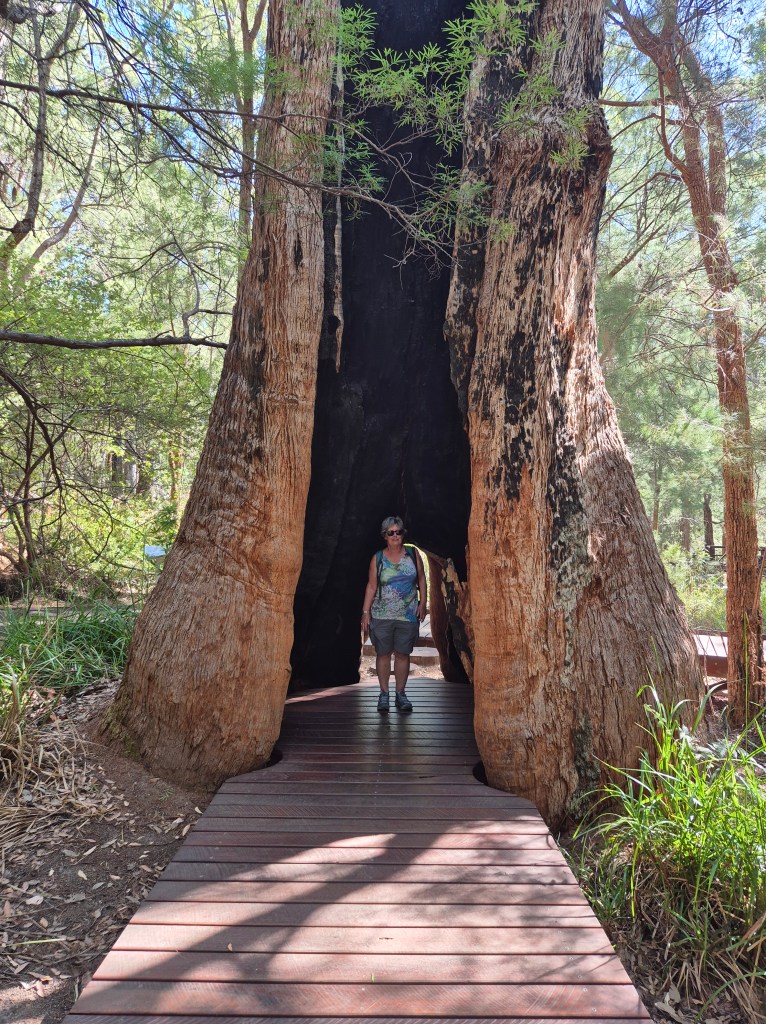
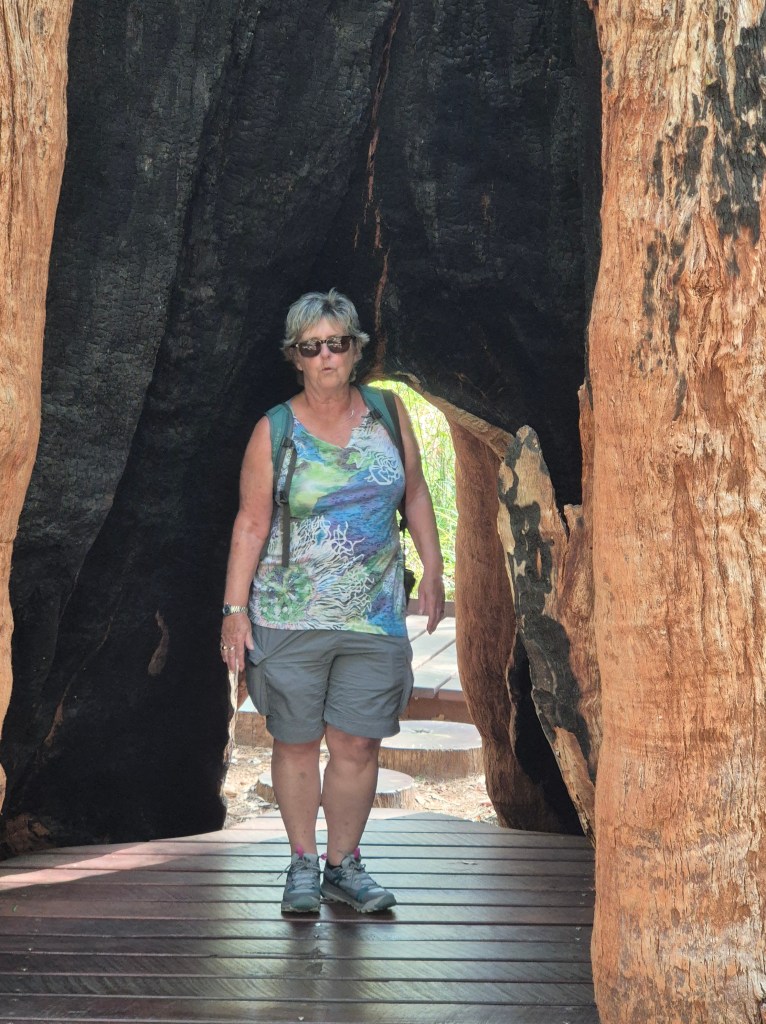
At ground level there are a number of opportunities to walk through or round some of the massive trees
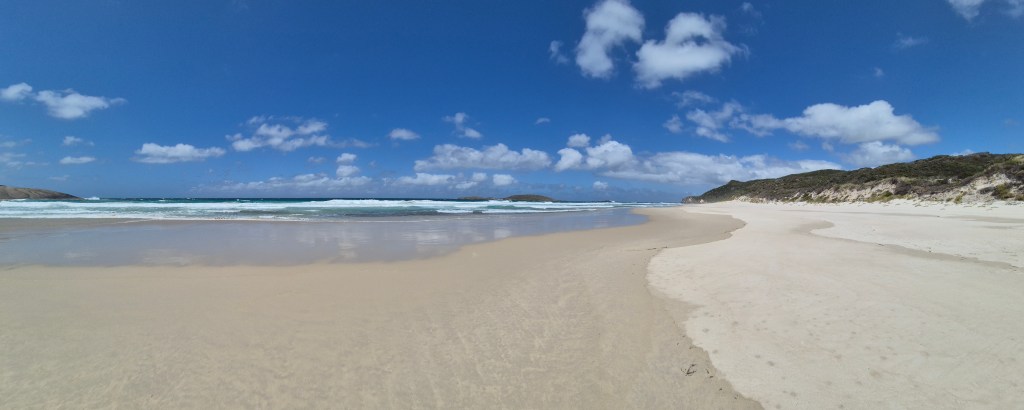
Also in Walpole is a somewhat eccentric tour guide who runs a local “ecocruise” out to a beach owned by his family. On the way there and back he talks non-stop about virtually everything, except ecology. He knows the history of the area, all the families and their connections with royalty and the Australian government and explains how Walpole was supposed to have been built in a different location which would have destroyed it’s unique character today. It was entertaining and we visited a truly fantastic beach
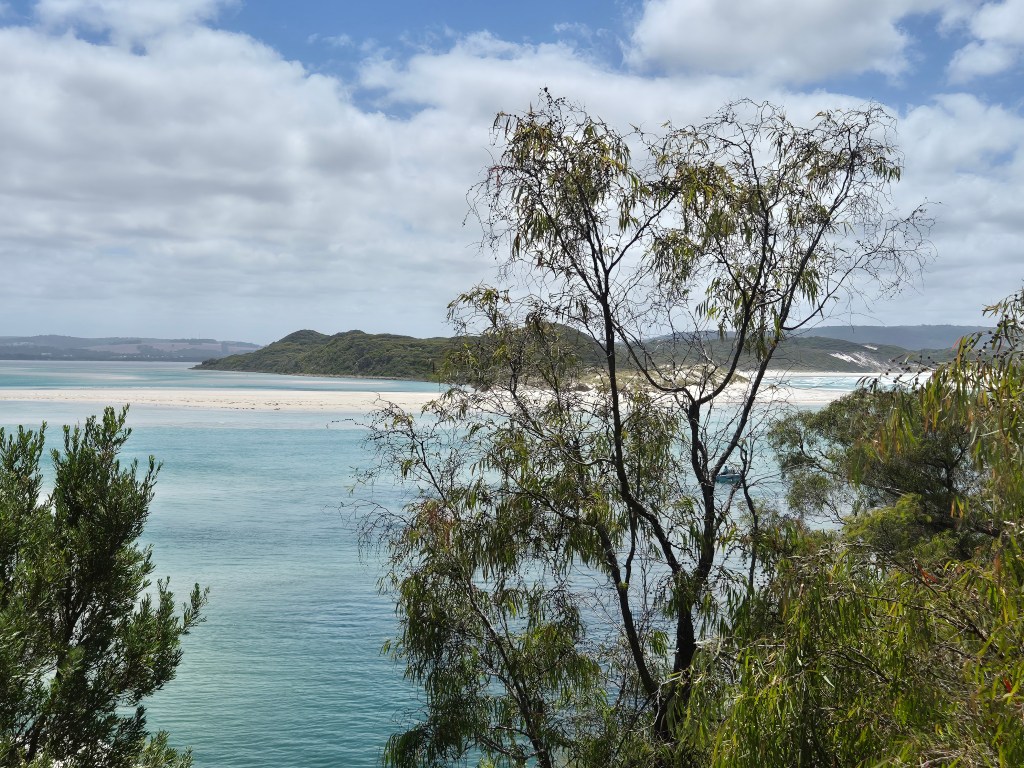
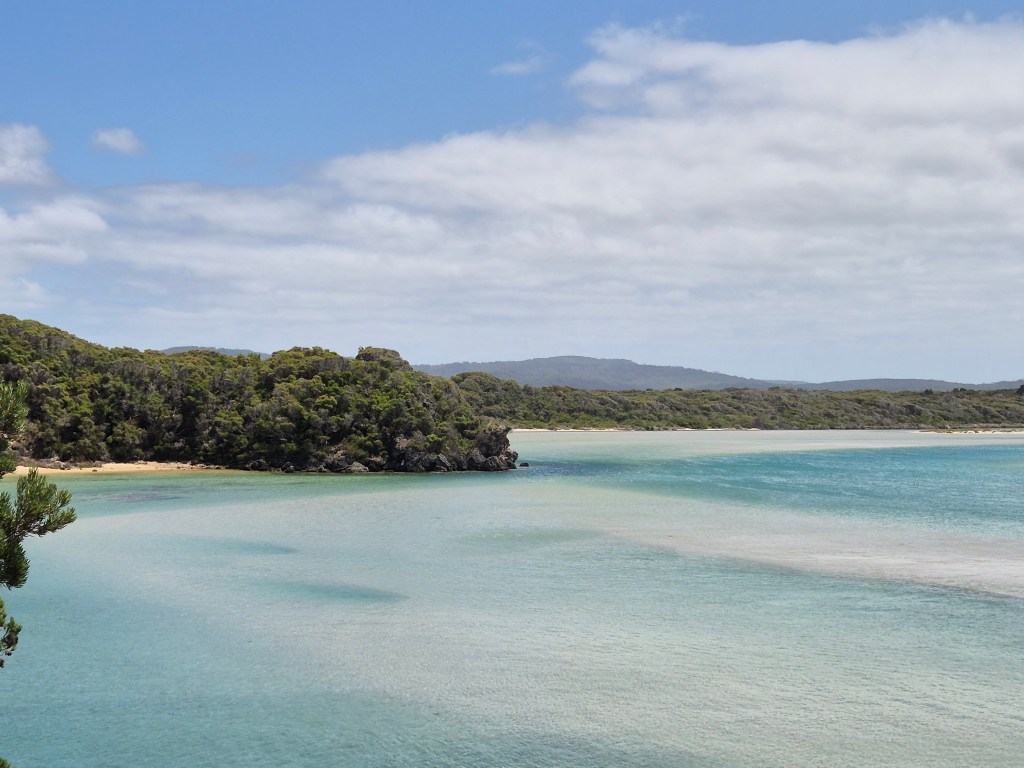
The scenery on the way there wasn’t bad either
Our trip to WA was over. Returning to Perth, a pub meal with Rosie & Bob and a flight to Melbourne
 Our Travels 2024 - 2025
Leave a comment