We chose to have a couple of days in Melbourne after flying in from Perth but once we got there we wondered why as after Sydney, Brisbane and Perth, Melbourne is our 4th Australian city on this trip and they’re all beginning to look the same!

Day 1 we spent wandering around the central business district, catching up on a few chores before heading over to the botanical gardens on day 2 which are very impressive and offer a good view of the city skyline
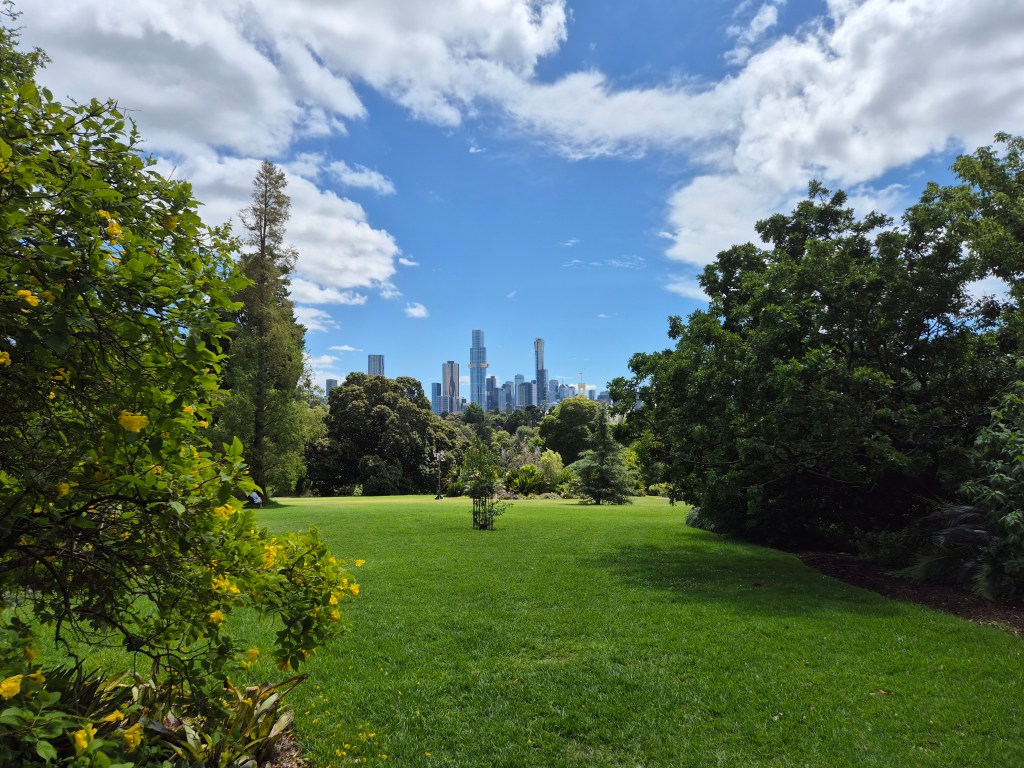
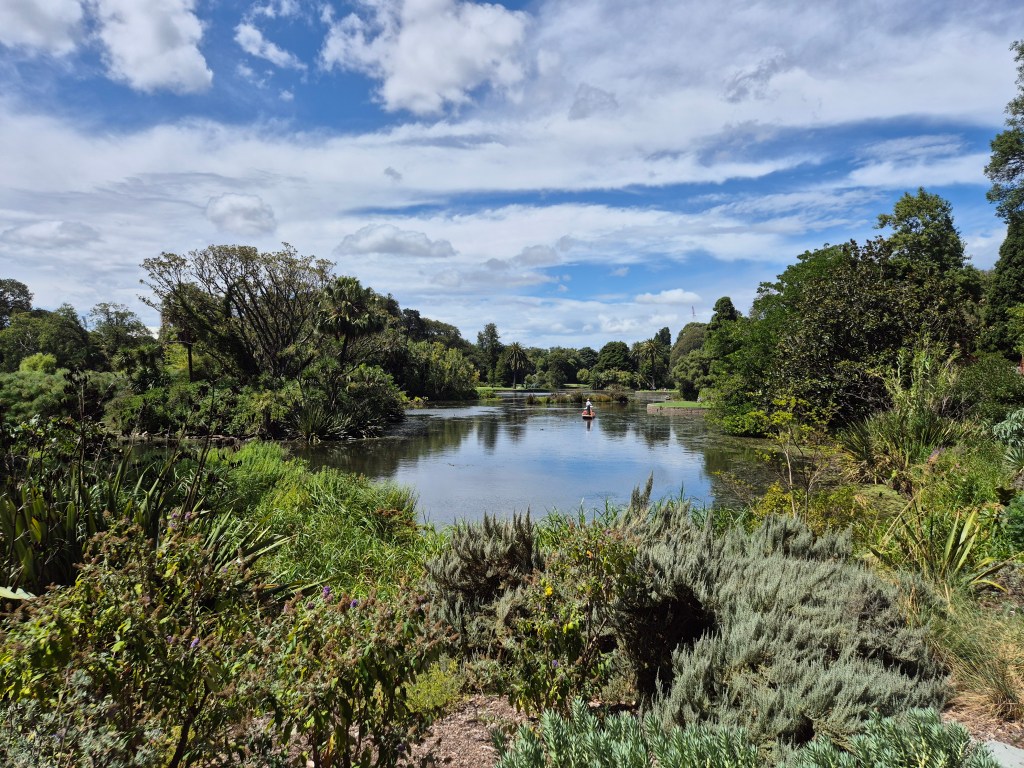
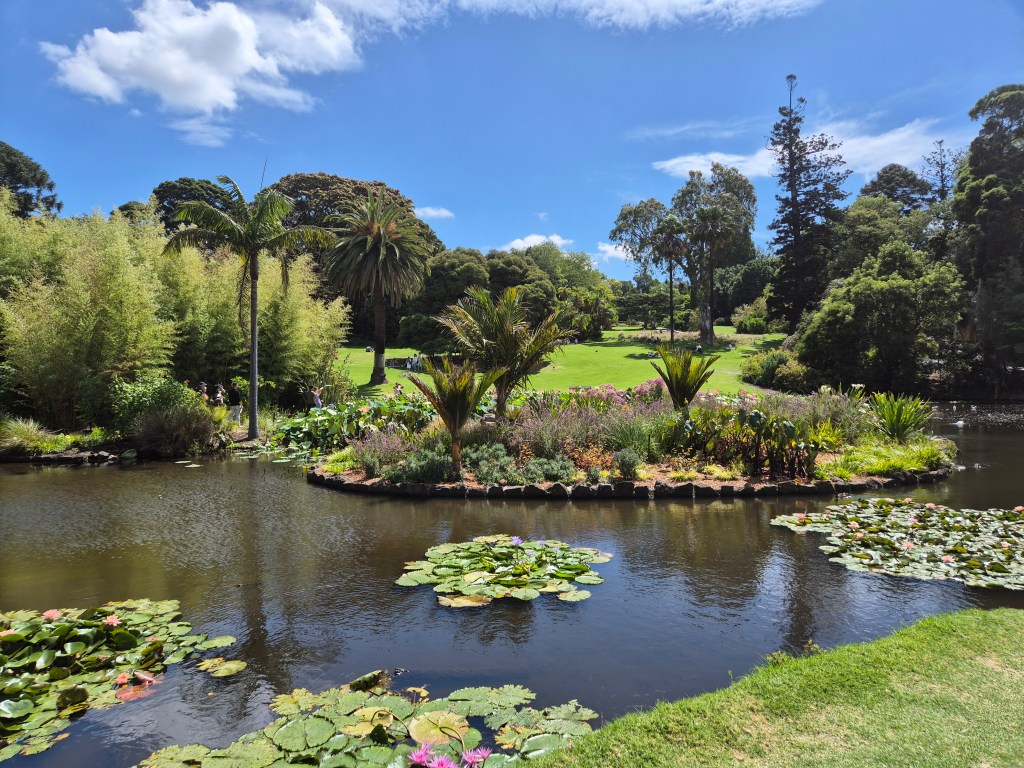
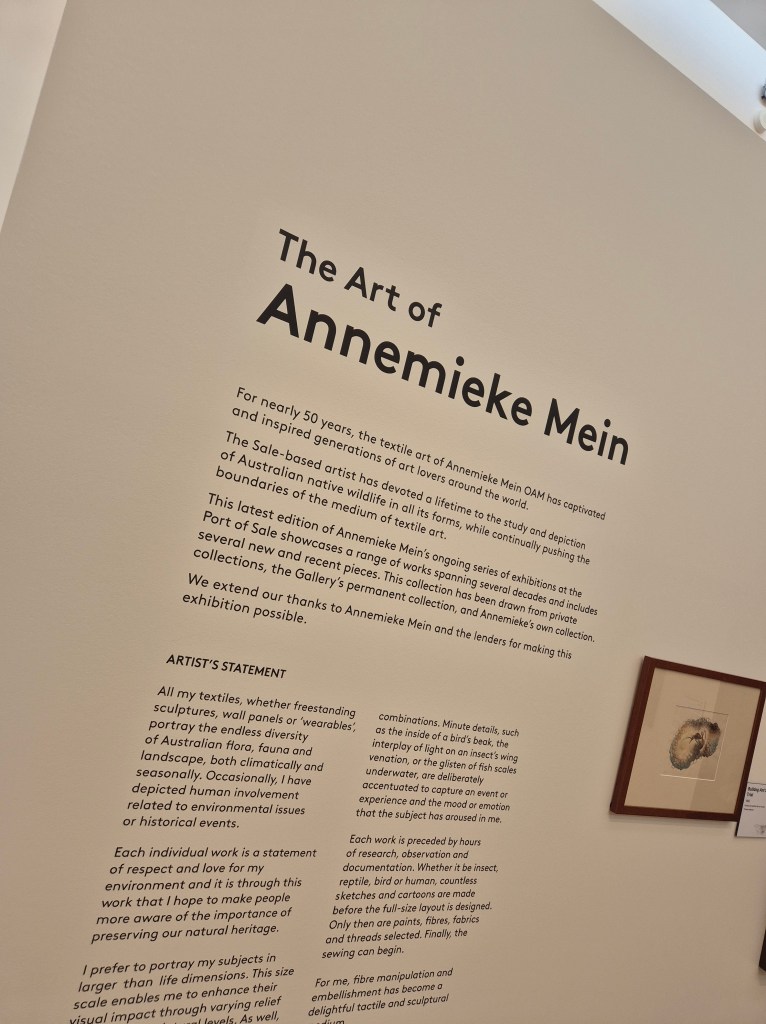
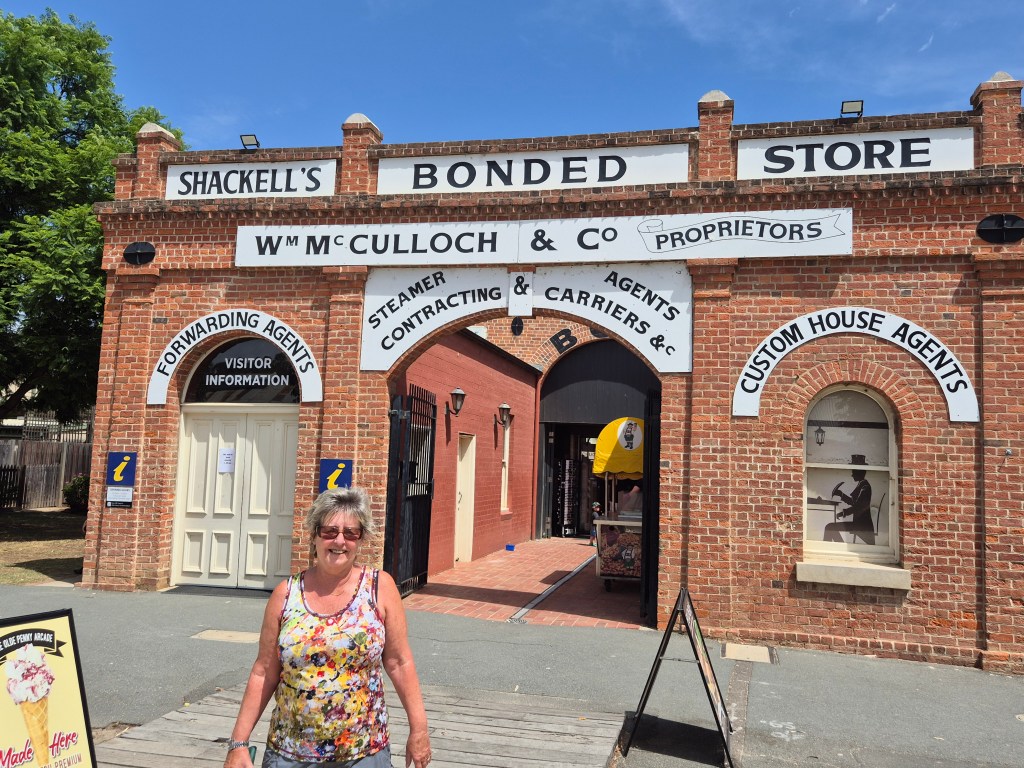
The best known tourist route from Melbourne is the Great Ocean Road which heads west and takes in a number of well-known tourist attractions. Our ultimate destination in Victoria, however, lay in the east so we decided to head to the town of Sale, named after an obscure English general and his exploits in Afghanistan. This was to be our base for an unprecedented 3 days and proved to be a fortuitous choice. Sale lies in the region of Gippsland, a place as wierd as it’s name. It is a low lying area of wetlands, beaches and forests and largely unspoilt, despite having been the location of several gold rushes in the 1800s. It is best known for 90 km beach and a dramatic coastline stretching to the border with New South Wales. Sale has an impressive visitor information centre which incorporates a large art gallery, featuring pictures by aboriginal artists as well as locals such as Annemieke Mein
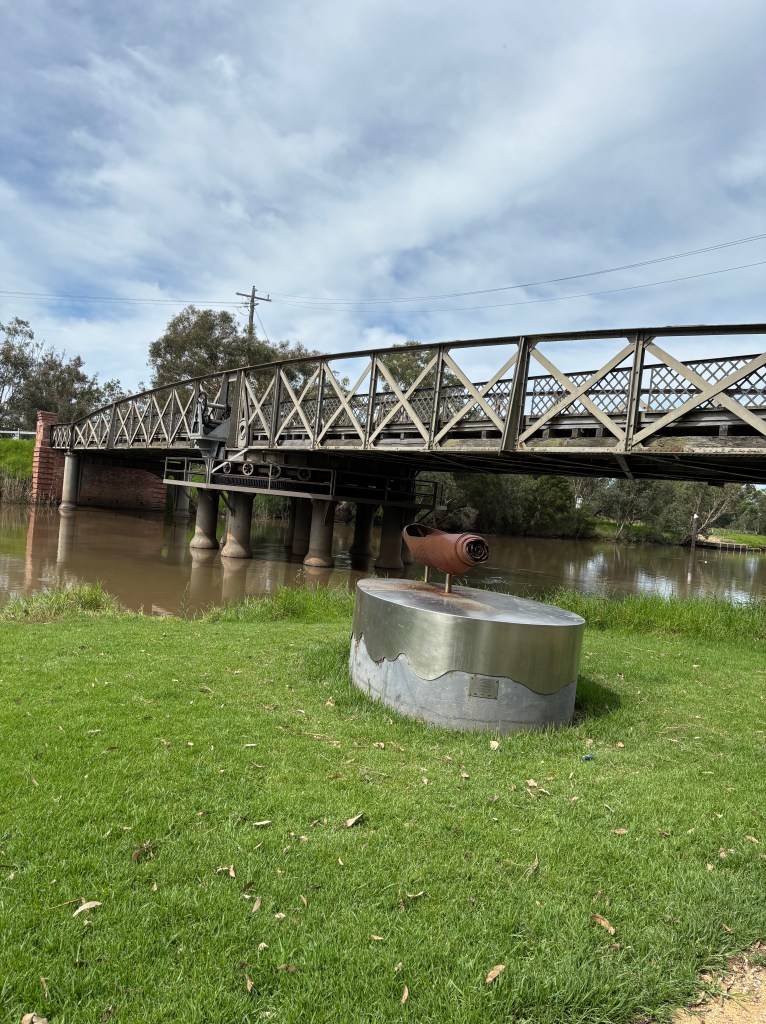
Better still, Sale is connected to local river systems and then to seawater lagoons which ultimately allow access to the sea at the other end of Gippsland at Lakes Entrance. The final link in this connection was achieved by digging a canal, allowing cargo ships to sail from Melbourne to Sale and supply the goldrush towns. The story of this is told on the Port of Sale Heritage Cruise which takes a leisurely trip down the canal to the 1883 Swing Bridge and back and is well worth the 2 hours it takes. The owner of the business is of advanced years and is trying to sell the business so it may not be operational for much longer.
Sale is also the regional centre for greyhound racing, so we spent a few hours in 35C watching a couple of races. Luckily for the dogs, the races are very short and there is a vet on site so all was well, except my small pocket cash $10 was lost. Andy’s fault, he picked the loser.

Due south of Sale is the village of Seaspray, located on 90 km beach
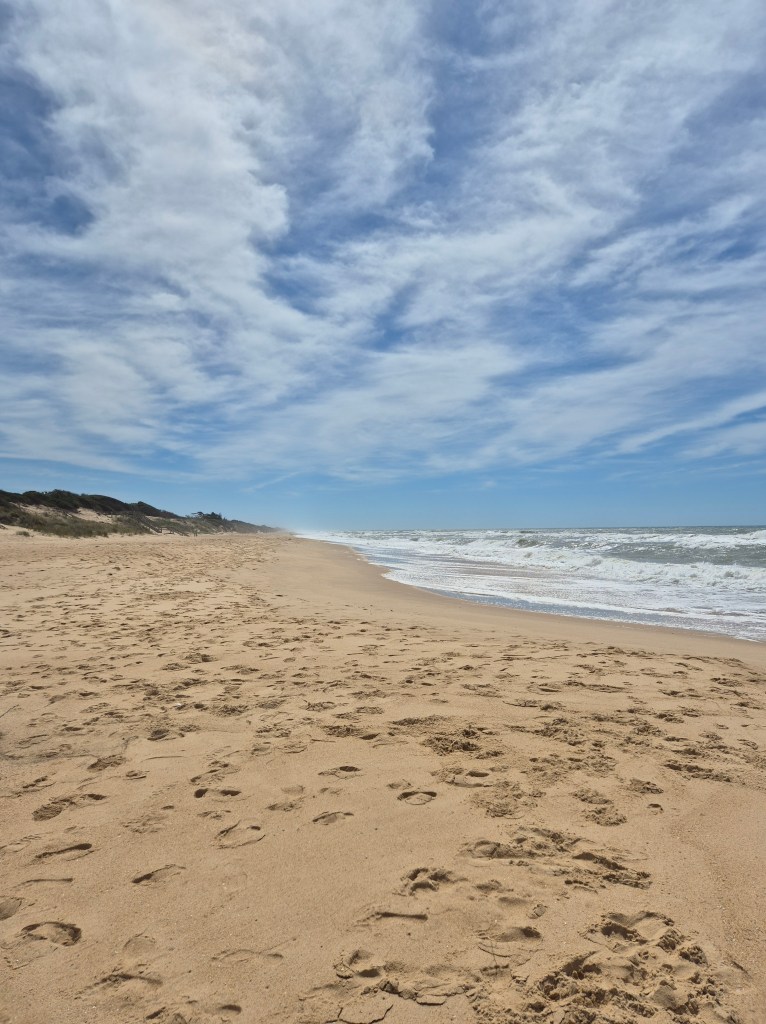
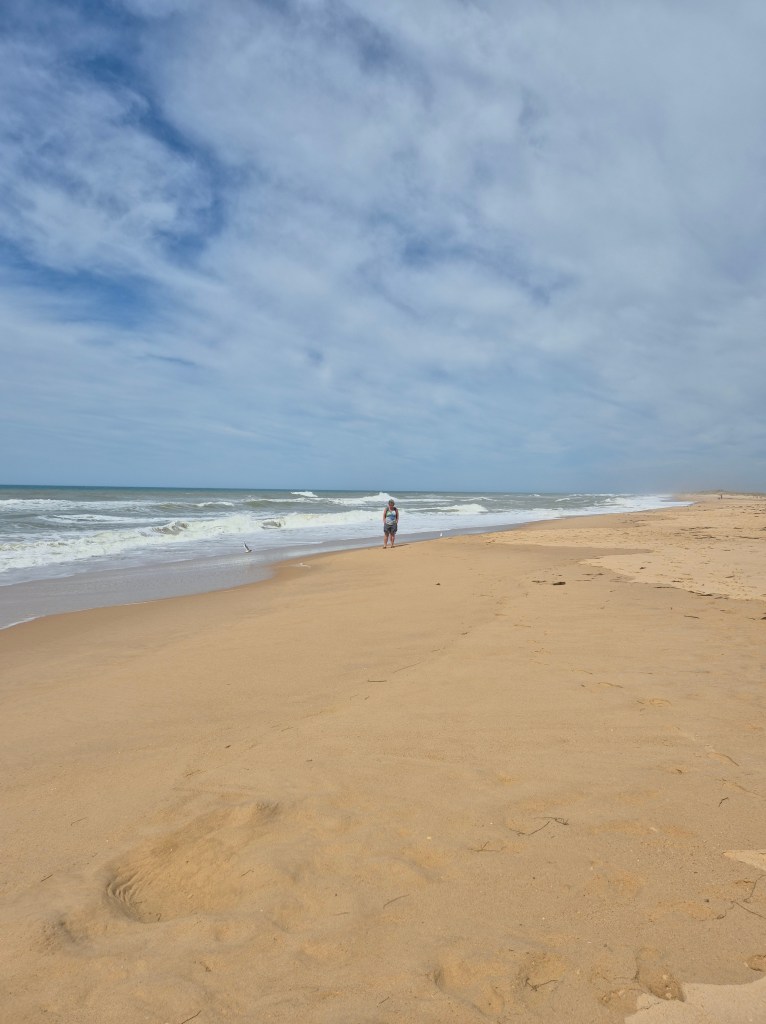
We drove halfway along the coast to Lakes Entrance, stopping at a beach resort called Loch Sport. The area is rightly best known for the beach as there is little else to do except beach-related activities.
Despite the weather forecast suggesting that temperatures in the hills would dip below 10C we decided to move on to the goldrush town of Walhalla, staying at the famous Star Hotel, recently restored to it’s original appearance after having been used in a recent Liam Neeson film

Our first stop was the Long Tunnel Extended Mine, a fascinating insight into how the gold miners searched for the mother lode, the source of all the alluvial gold they’d been finding in the rivers.
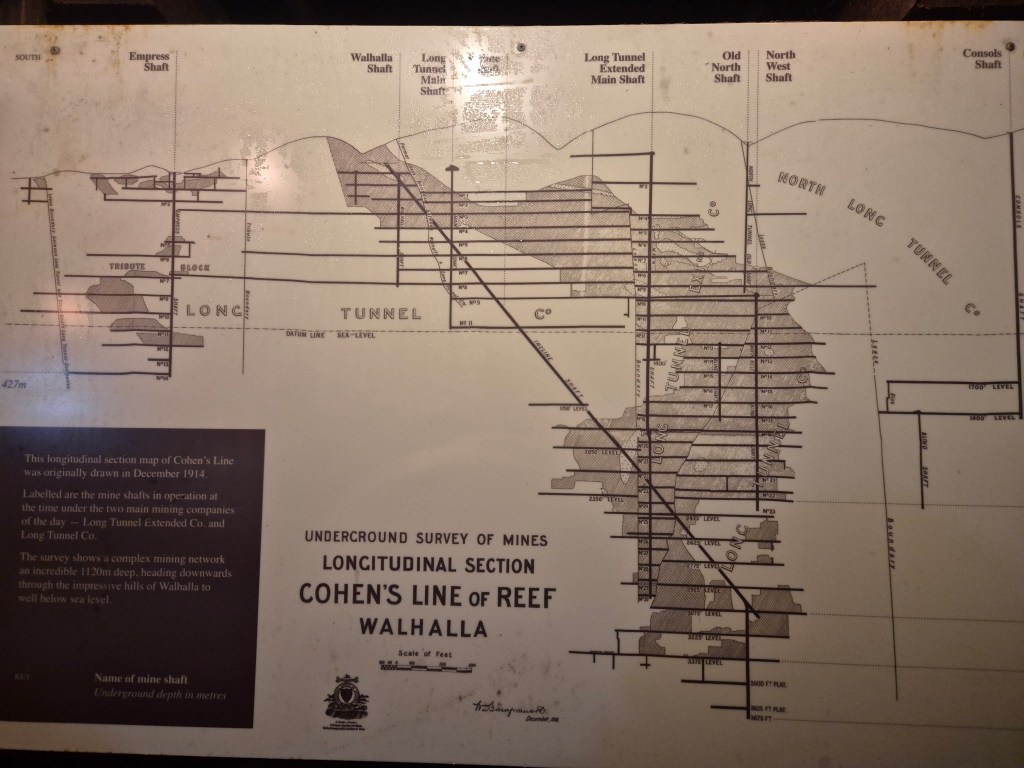
The gold was located in a line of quartz called Cohen’s Reef, a narrow band of gold-rich material which passed through the mountain, targetted by the 22 gold mines in the region, one of which was the one we visited and remains the only one open to the public. Life as a miner was not a good one as shafts were initially dug by hammering holes into the rocks and then exploding gunpowder to shatter the stone.
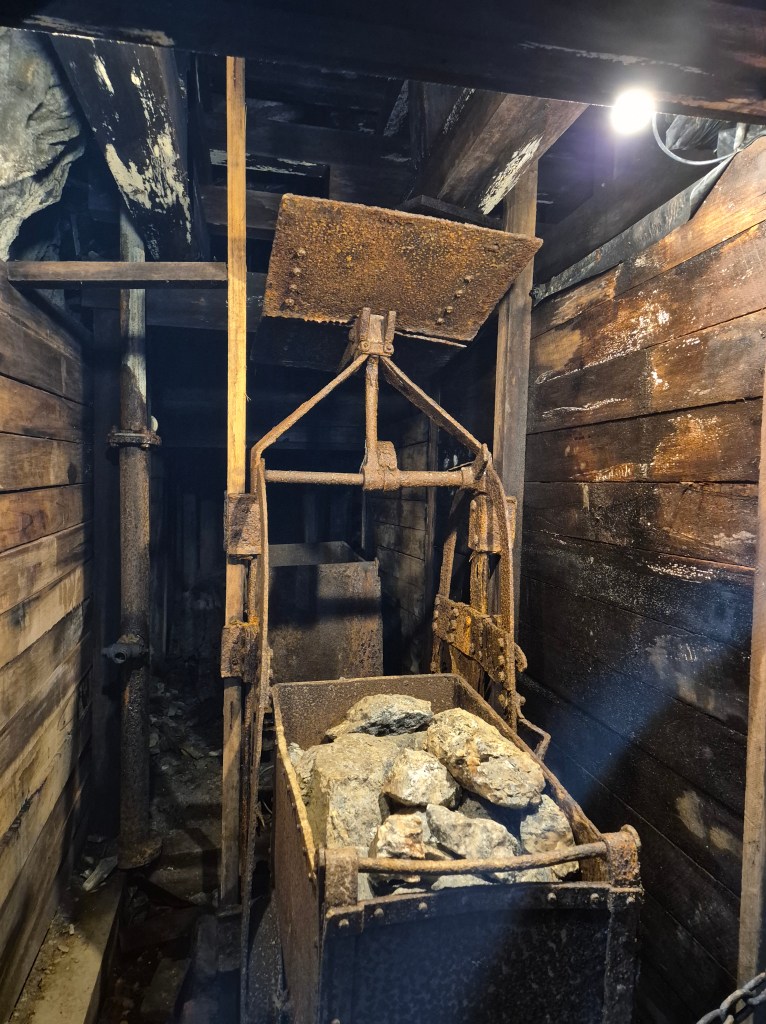
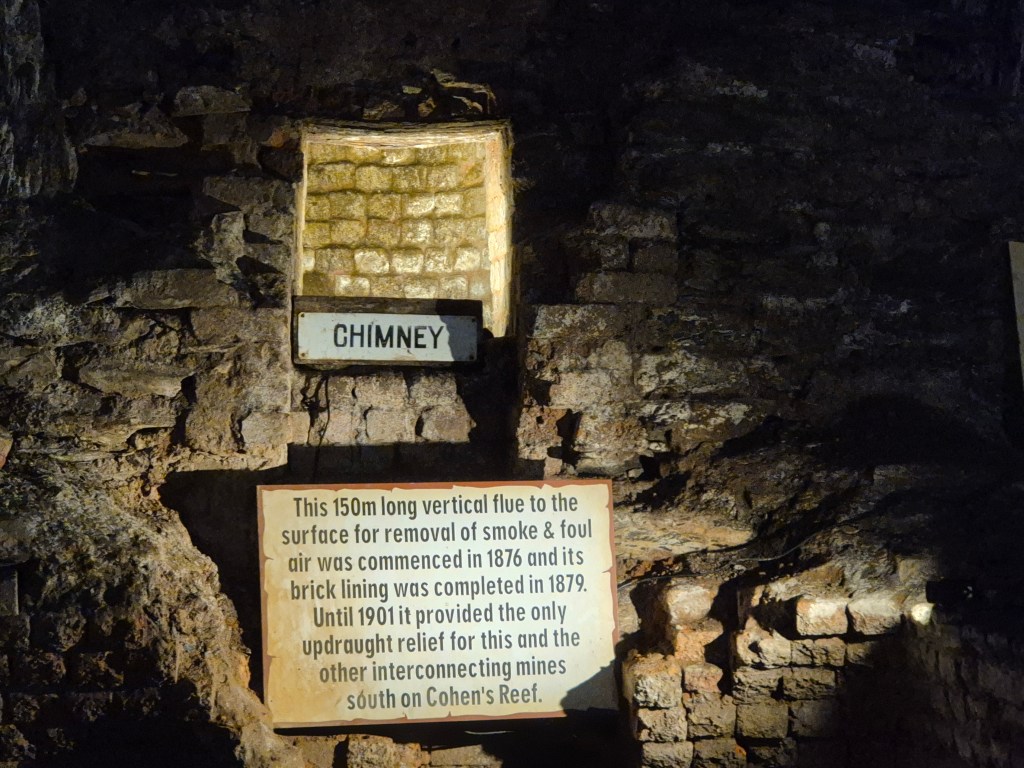
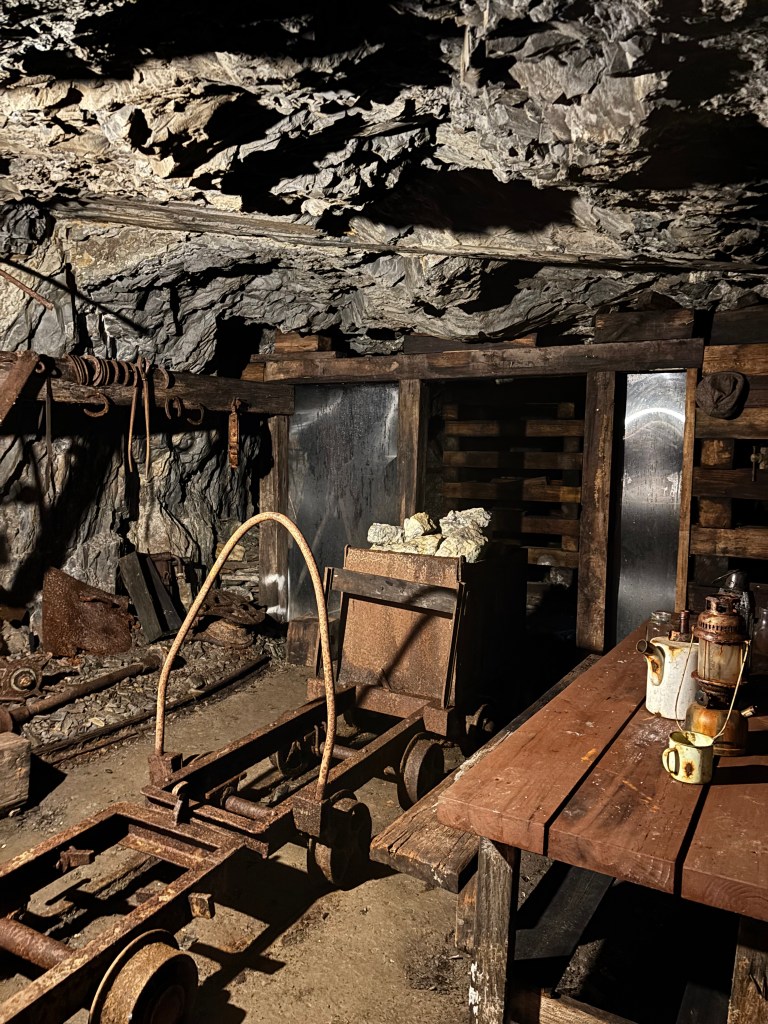

Then compressed air was used to power the drills, creating so much dust that miner’s life expectancy was reduced significantly
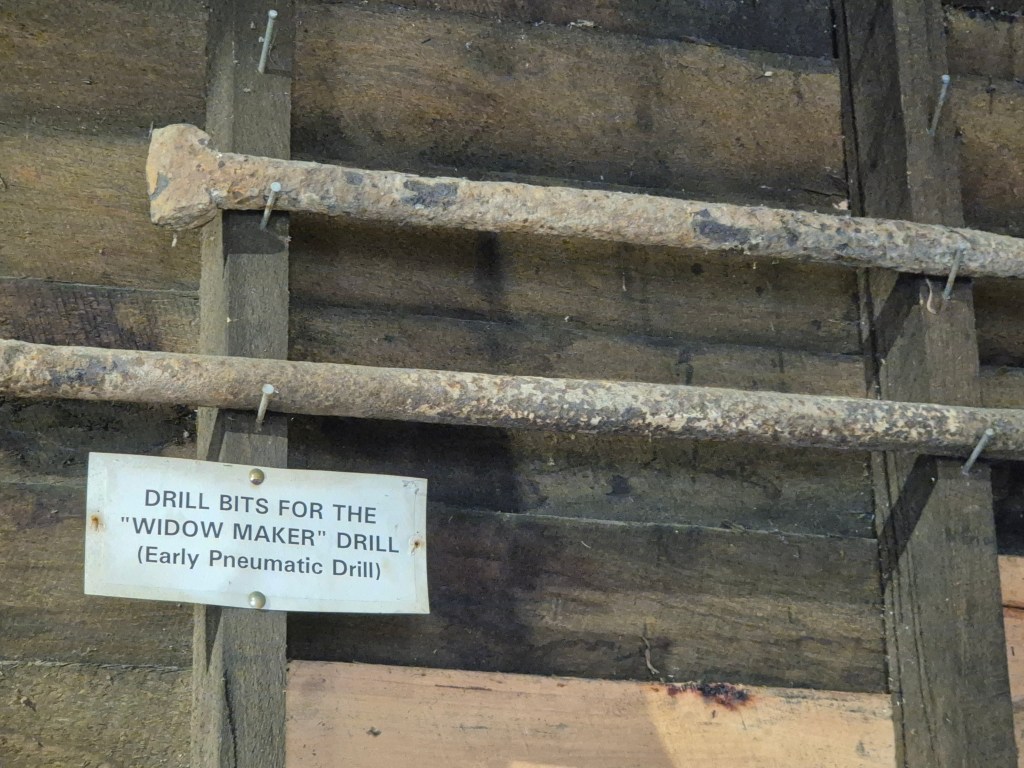
Finally, water was used to power the drills, requiring huge volumes to be brought into the mines and heated by burning wood in boilers, resulting in the hills for miles around being totally denuded of trees. Finally these efforts paid off and over 100 tons of gold was found in the area.
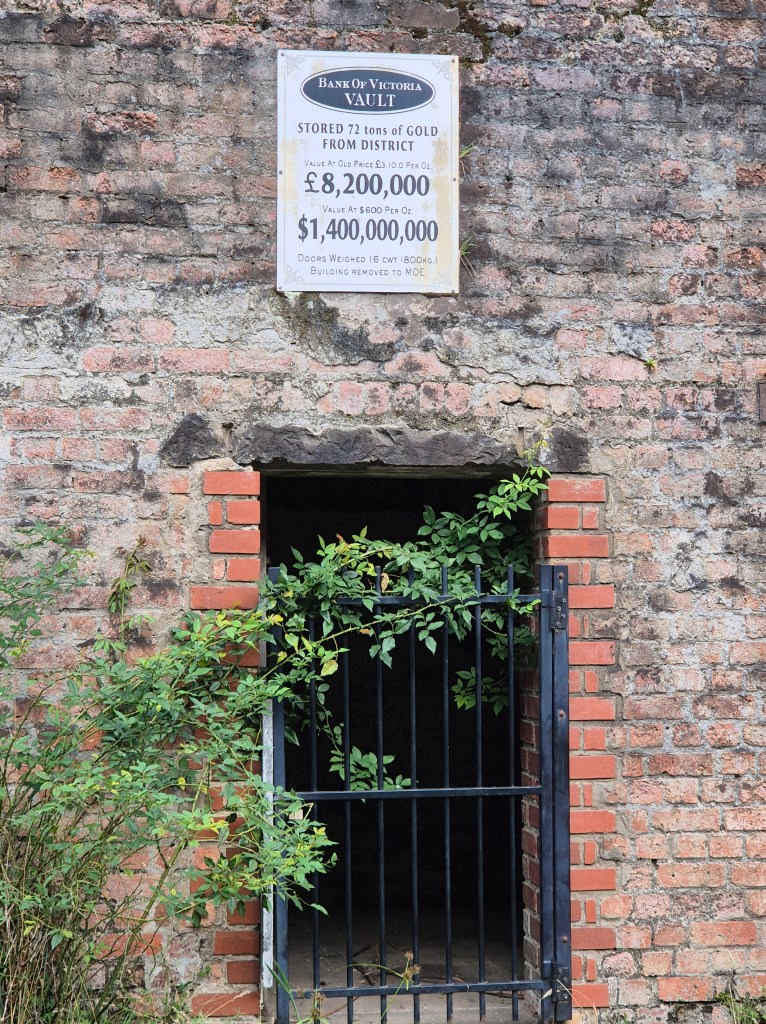
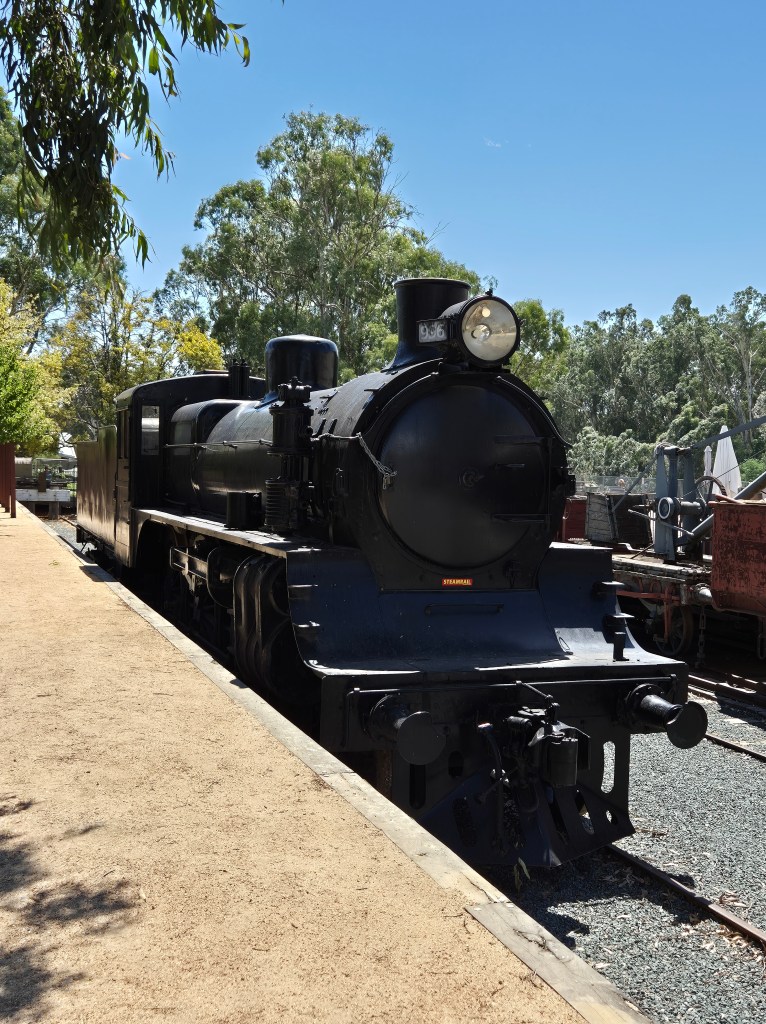
In it’s heyday Walhalla had a population of 4000 people, with all the services associated with a large town. Today there are fewer than 20 residents, but at least the trees have grown back. Linking Walhalla to the wider community was the railway and we took a short trip down to the next village through some of the rugged hillsides, all of which produced significant quantities of gold
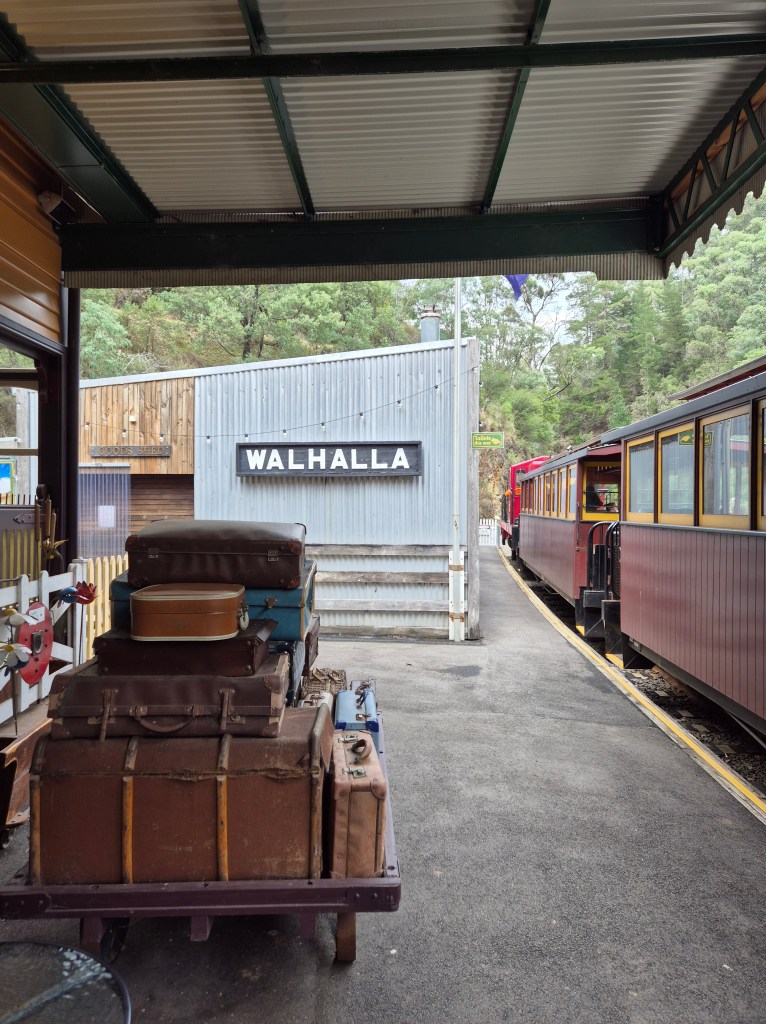
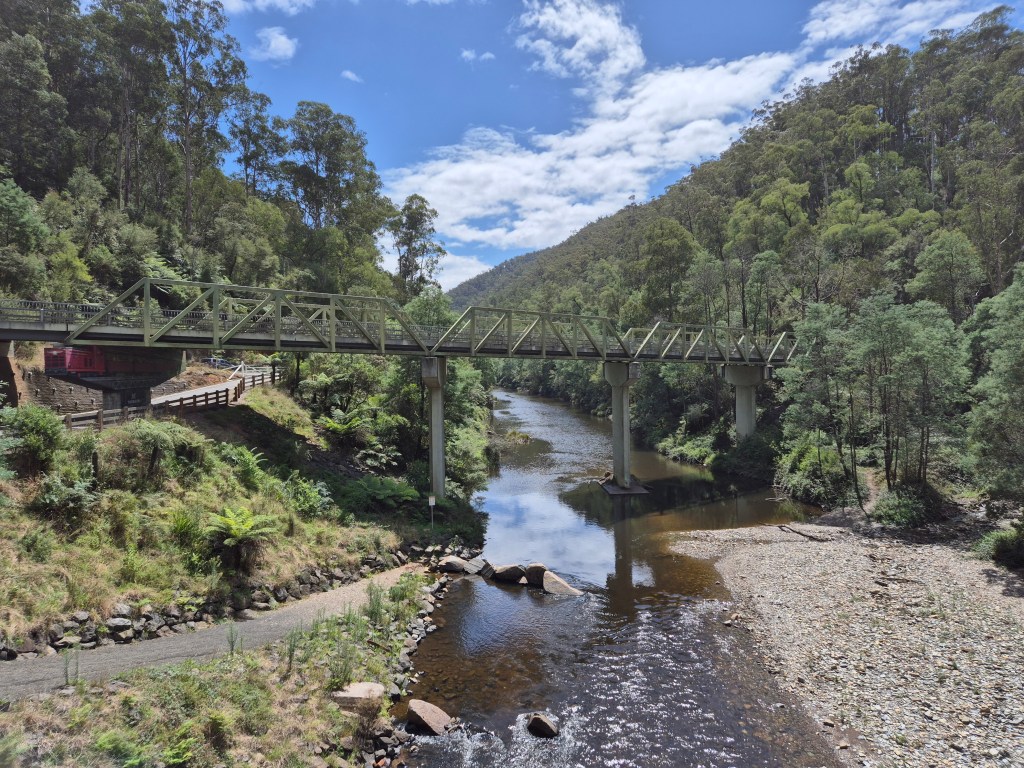
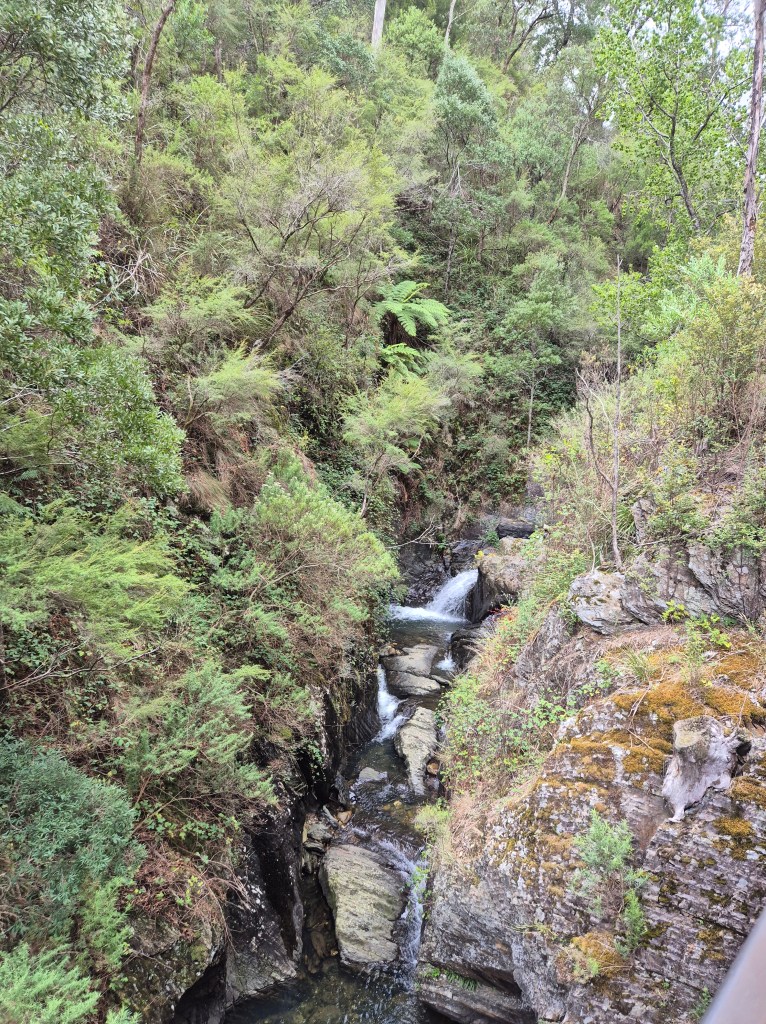
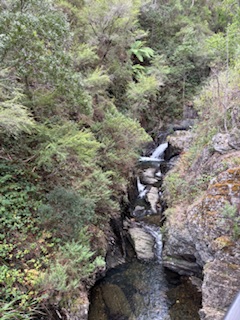
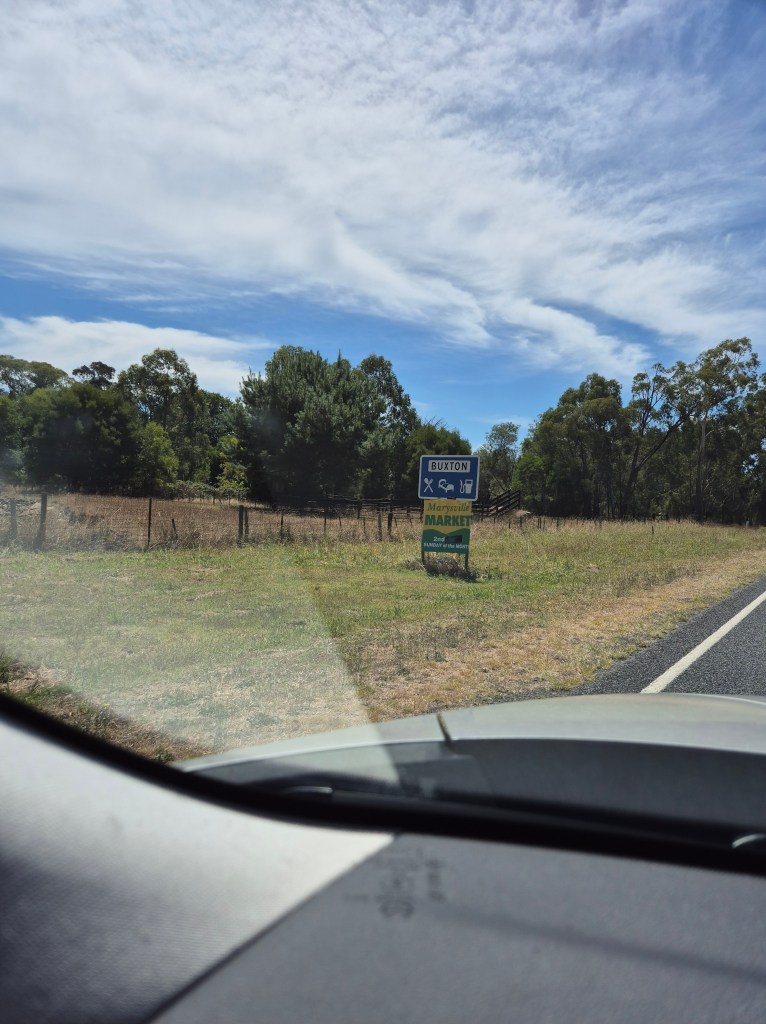
Walhalla is a special place, with a fascinating history and well worth a visit. Moving on up north we passed quickly through Buxton
Arriving to our next stop, another gold town called Beechworth, deservedly described as one of the most attractive of the old towns in the region
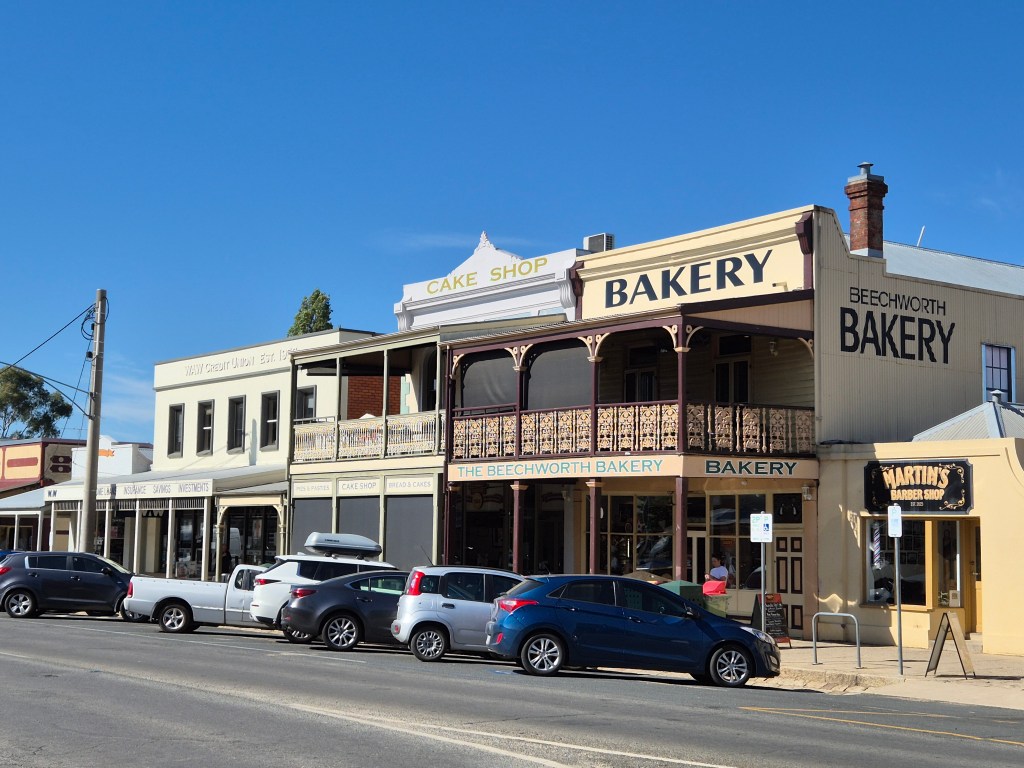
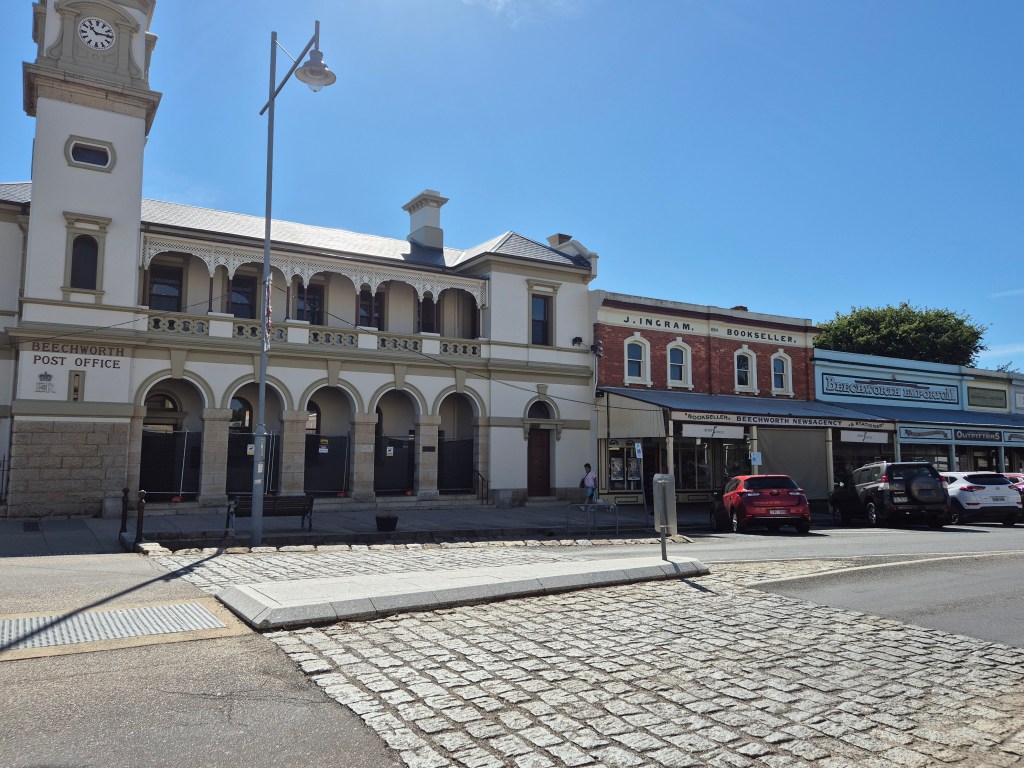
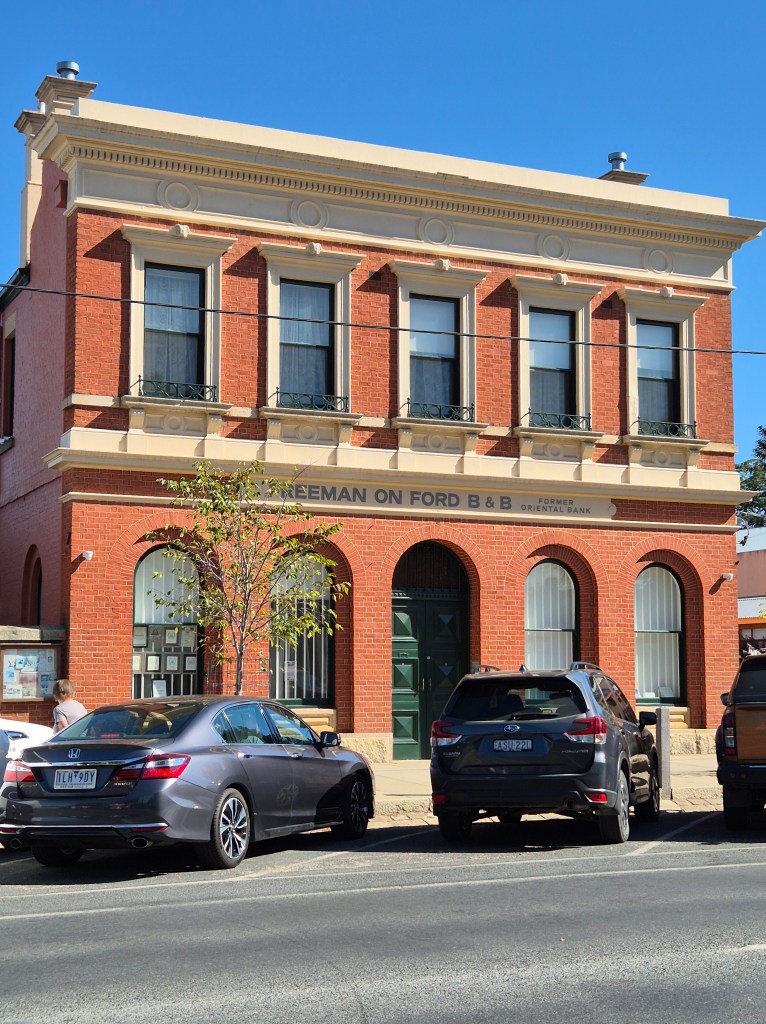
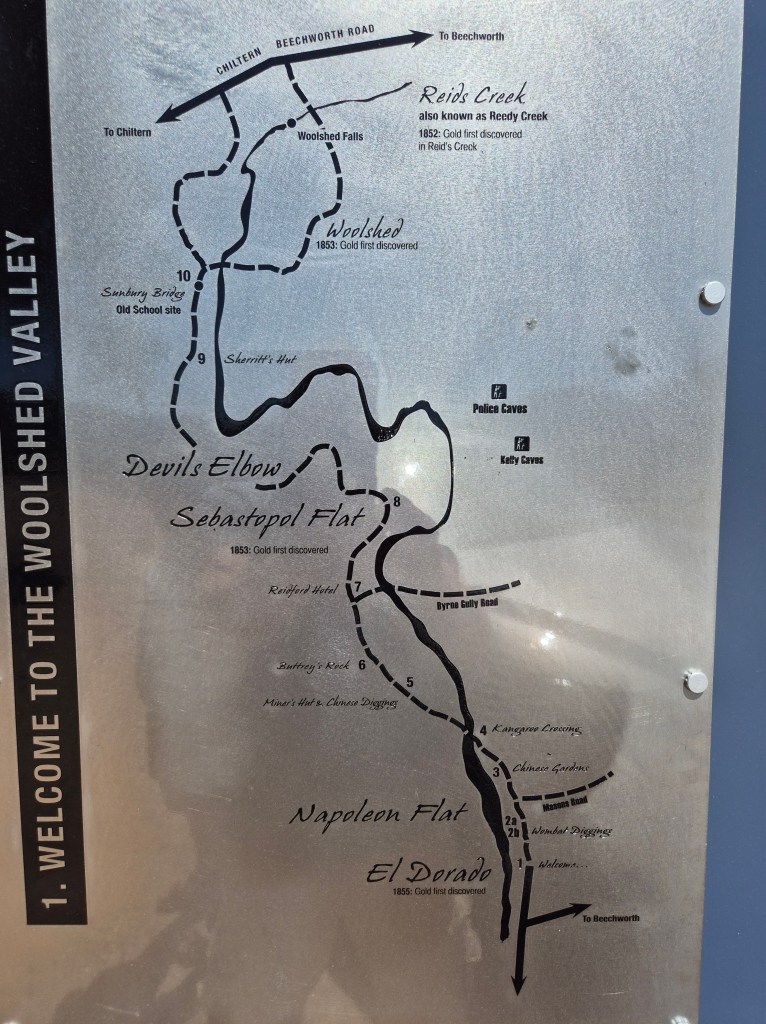
Beechworth is one of several towns in the area which owe their existence to the discovery of gold. In this area all the gold found was alluvial, i.e. found in river sediments as opposed to mining. The local tourist information sells mining licences, required for panning, and maps of where gold panning is allowed and a list of shops selling vital equipment like a gold pan, trowel, hammer and buckets. Once provisioned, together with a bucket lent to us by a sympathetic shop worker, we set off on day 1 towards Woolshed Falls, a stunningly beautiful spot which also gave up a lot of gold
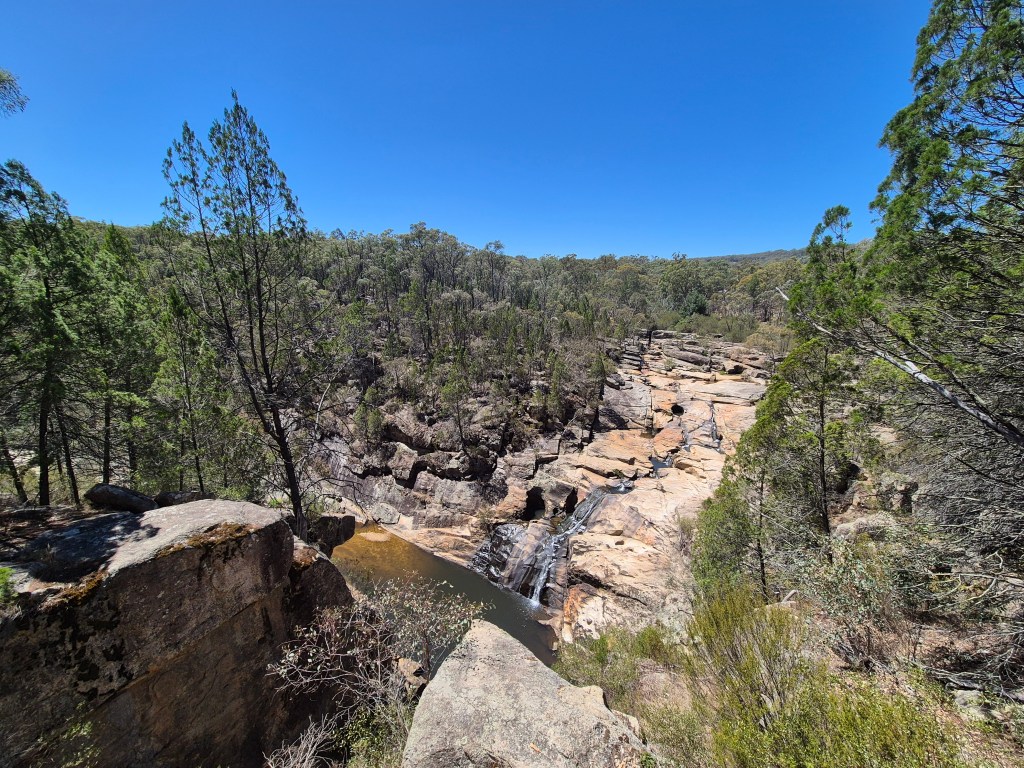
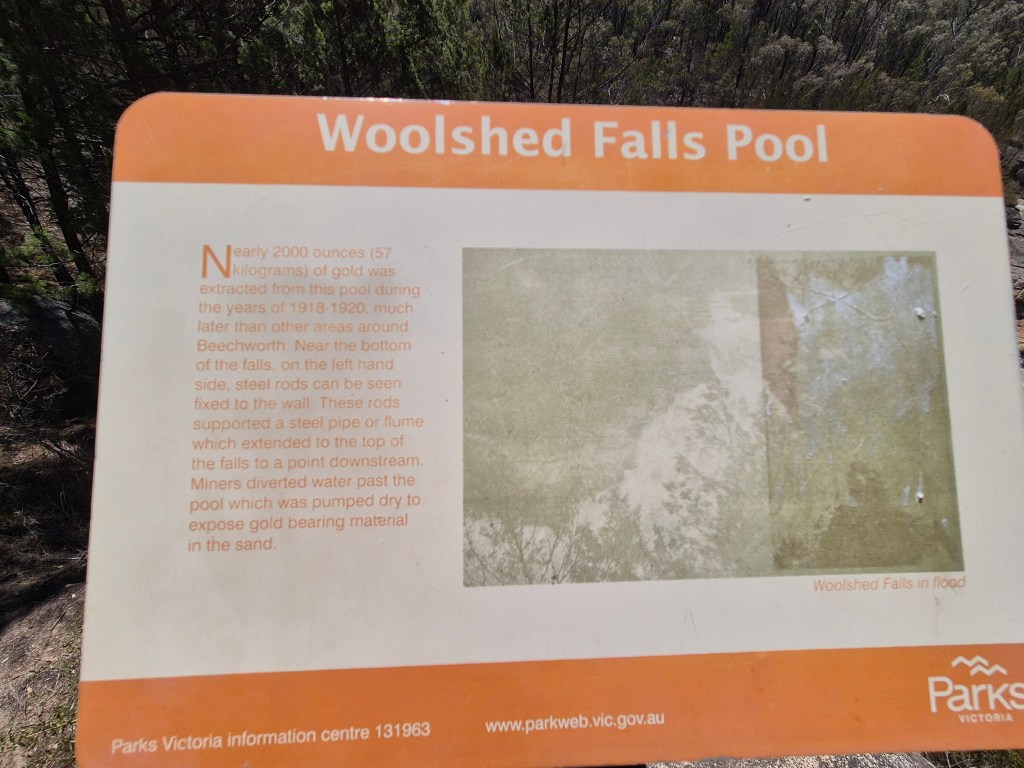
The falls are at one end of a valley, the other end being, believe it or not, the village of Eldorado and we were advised to pan for gold at the campsites which are located at intervals between the two. The reason being that access to the river is generally easier at campsites and doesn’t involve having to traipse through snake-infested shrubland. Then the goldrush started..
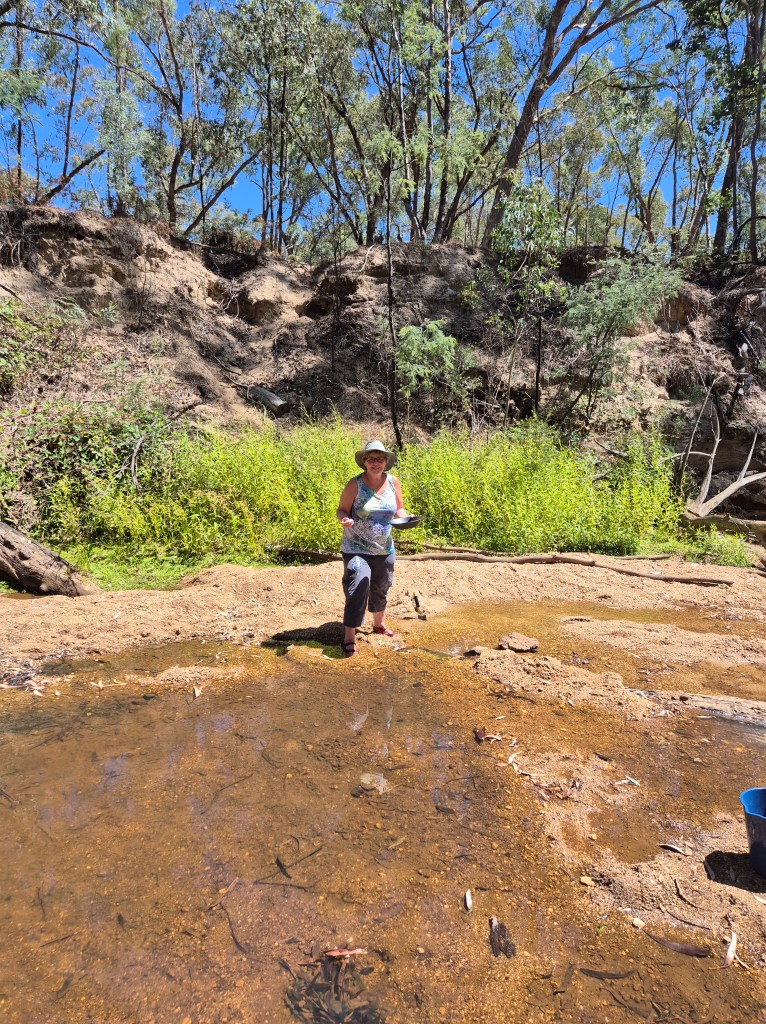
The road to Eldorado was a dirt track and about 15km long. Setting off down the track felt like going into a remote part of the bush and yet, in it’s heyday this one valley was a vibrant community
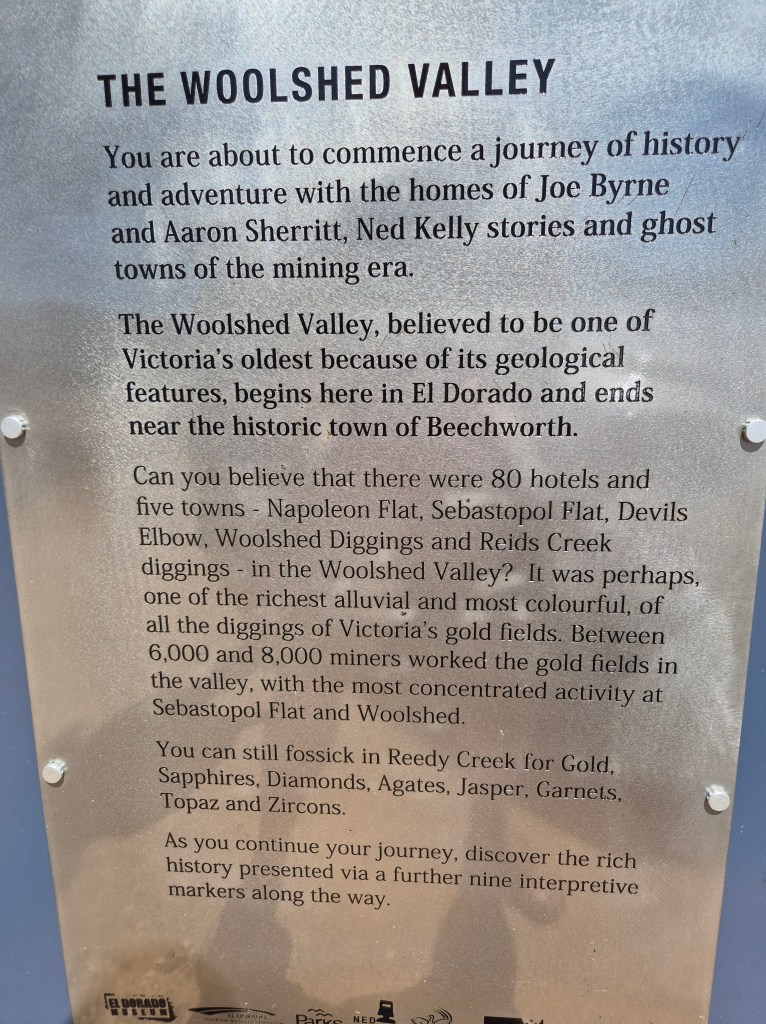
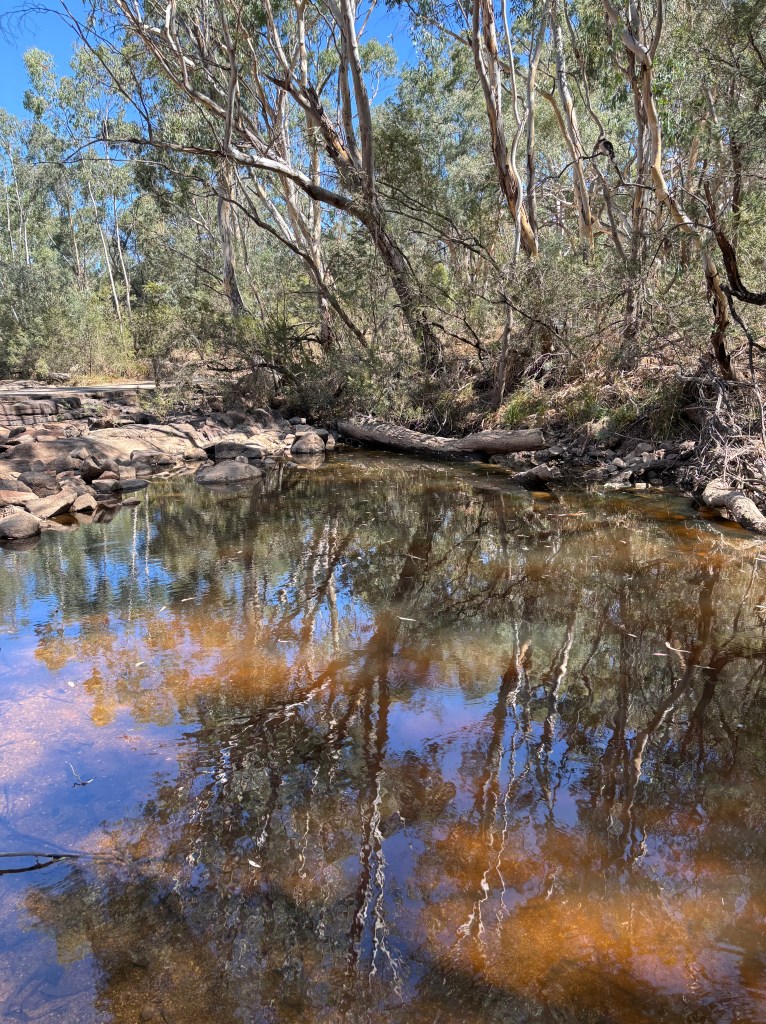
Our second stop was at Kangaroo Junction and Reedy Creek, complete with a Kookaburra.
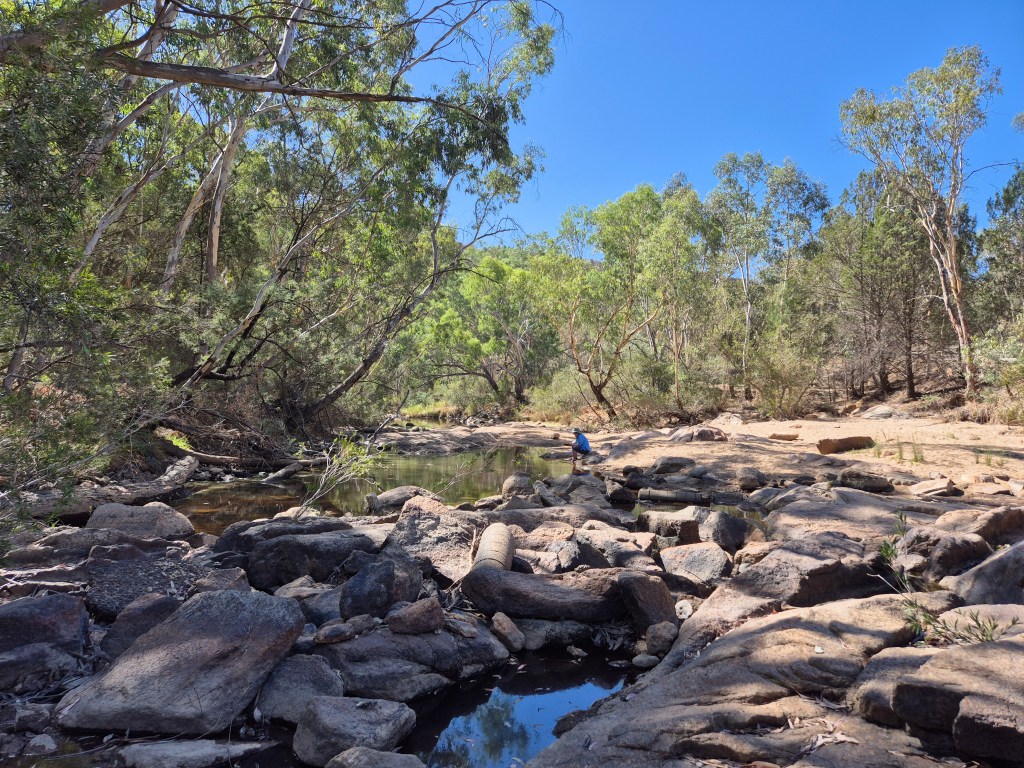

At most accessible points there would be a camper or RV with evidence people were actively panning for gold, some with a lot more equipment than us so the allure is stil there, even if the gold wasn’t.
Eldorado is the home of a machine which is the logical development of the humble gold pan. Alluvial gold is generally found in small quantities, so processing as much sediment as fast as possible yields more gold and that simple logic led to the development of the Eldorado Dredge, a huge machine which went on to produce tons of gold until it was decommissioned in 1954.
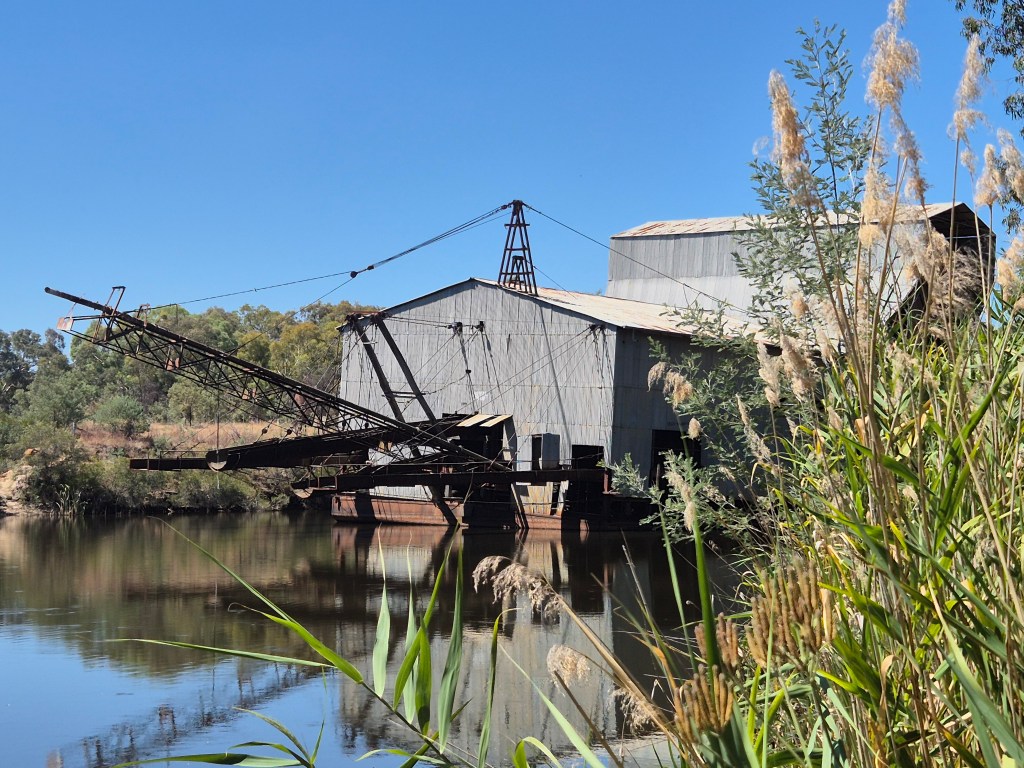
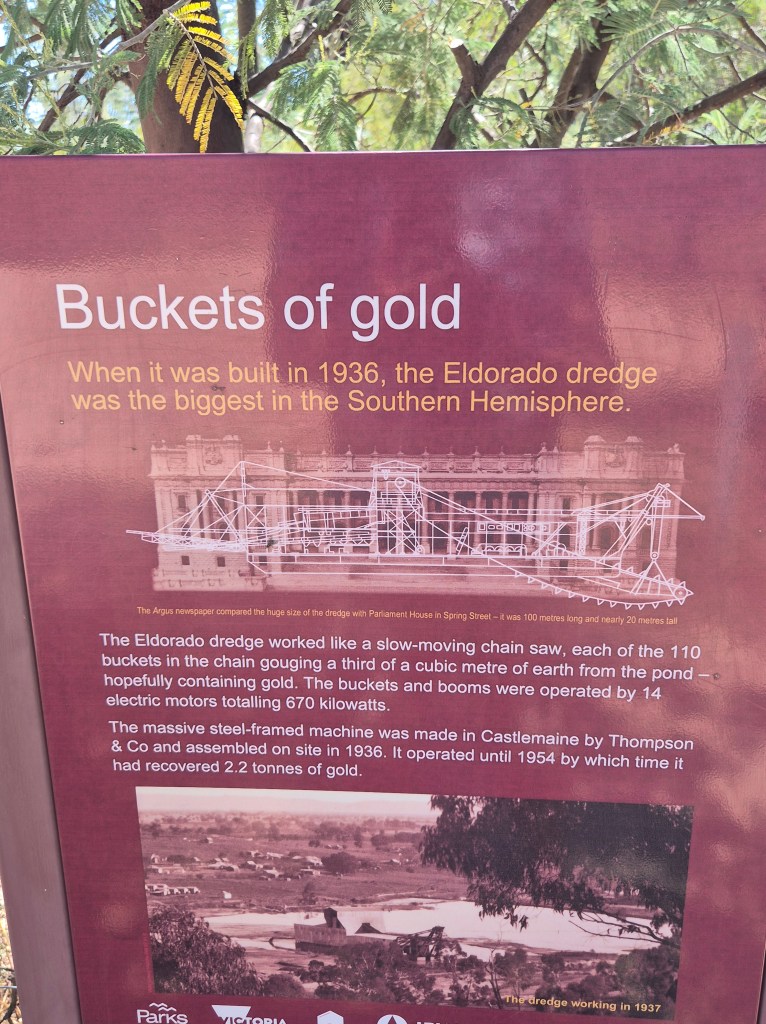
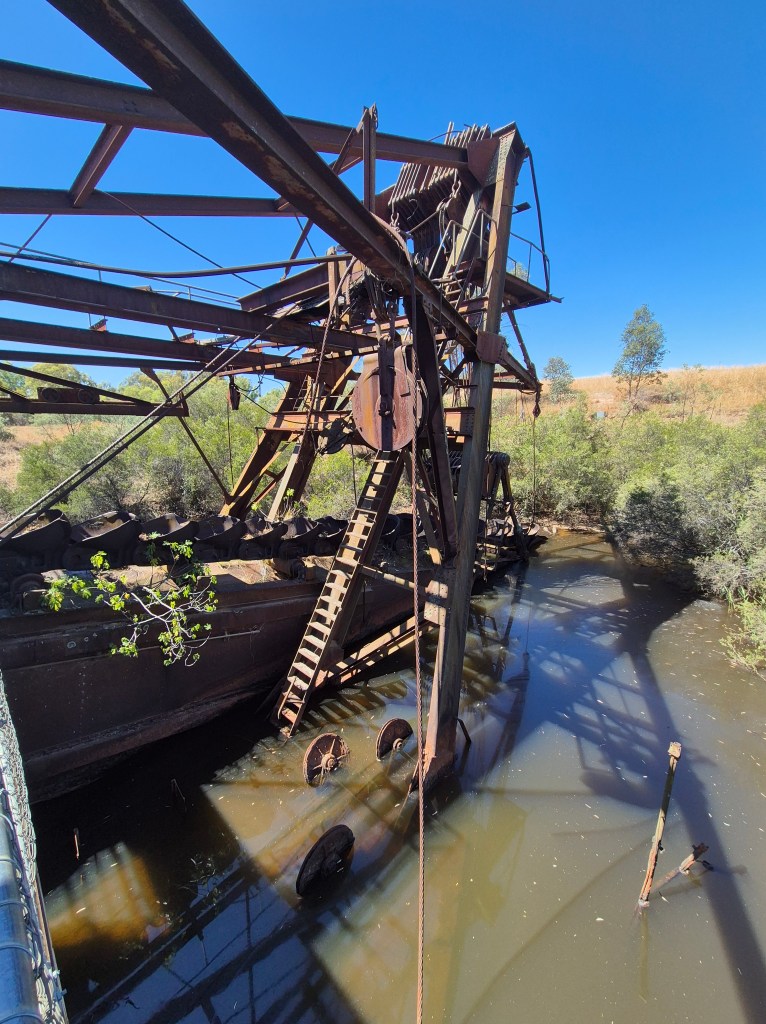
Beechmount lies to the west of a small town called Yackandandah, a delightful place with yet another amazingly helpful lady in the tourist information office. Armed with another gold panning map we headed out to yet more disappointment. Finally, before leaving the area we did a quick exploratory trip, stopping off in Myrtleford & Bright, to what the victorians call the alpine country, a range of mountains which are the site of several ski resorts as well as farms producing a wide range of fruit, seeds and honey. This is a beautiful area and well worth a return visit.
Moving from the goldfields we headed north to the mighty Murray river, a place called Echuca, host of a rodeo on the 22nd Feb. Finding a rodeo in summer in Australia is rare so we jumped at the chance, having seen one in Texas some years ago. The main event was located at the huge showground just outside of the town and started around 7pm although childrens events occurred earlier. There is a dress code for such events, largely cowboy-themed, with cowboy boots and proper hats everywhere. The temperature was 35C at dusk and didn’t drop much later on. As in the US, the main event started with nationalistic fervour, riders went round the arena with various flags and then the crowd were encouraged to stand and sing the national anthem.
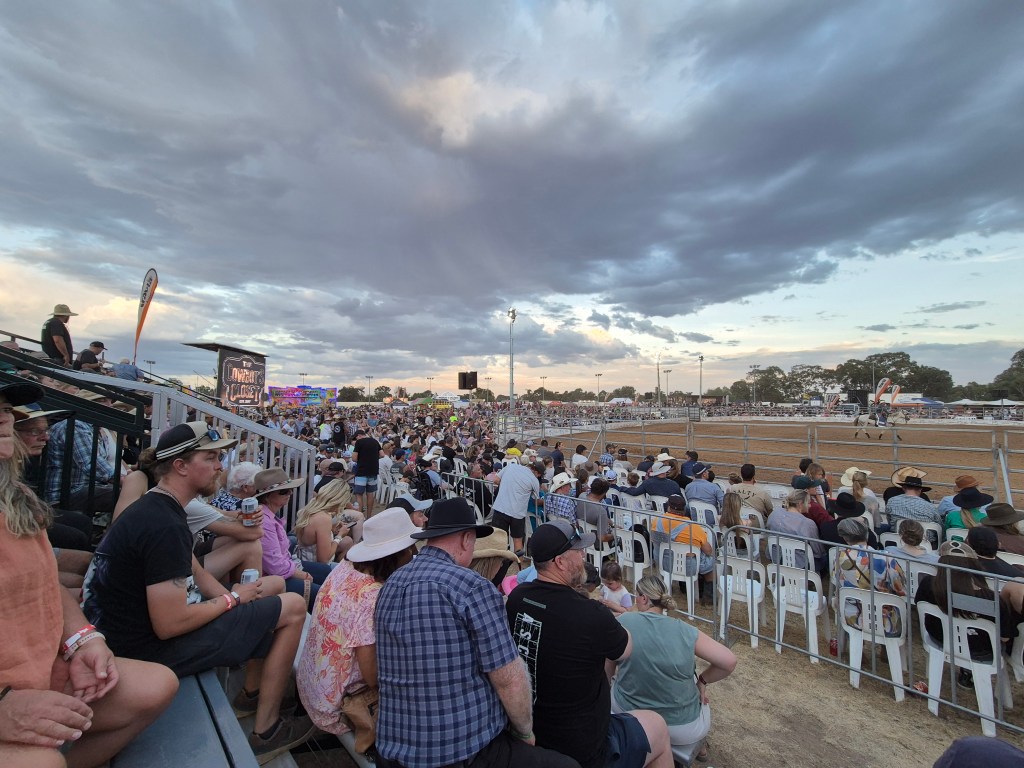
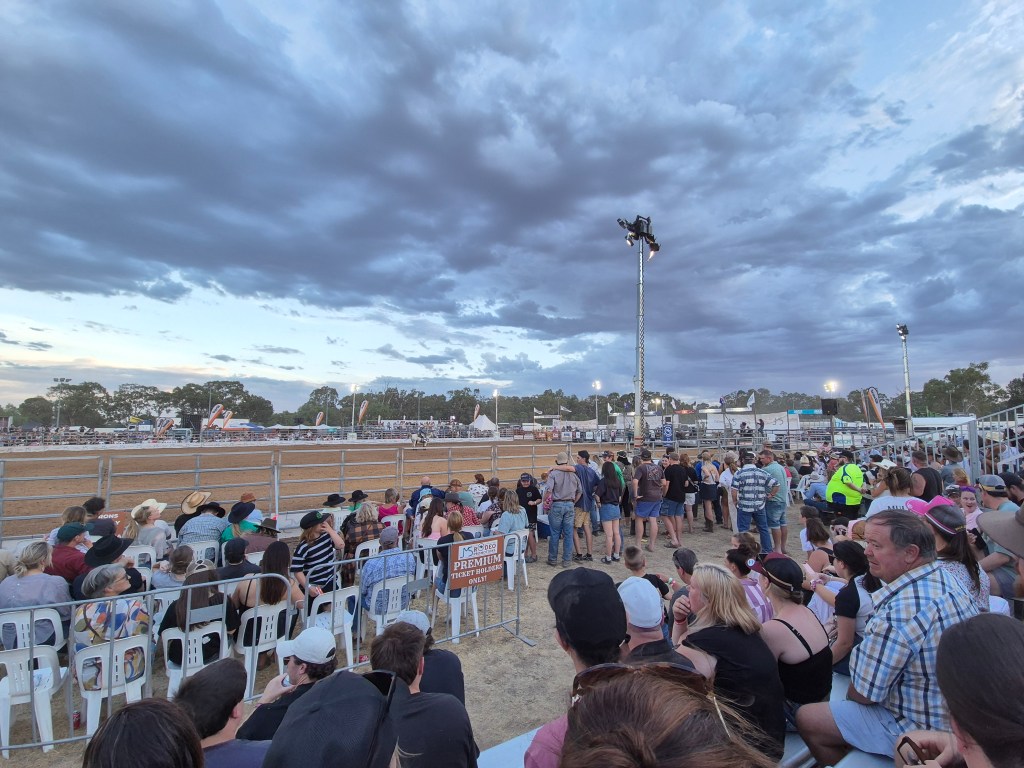
The obsession with Sweet Caroline is more difficult to explain
A number of different events were organised, from riding wild horses with and without saddles, to wrestling cattle to the ground, demonstrating lassooing skills and, finally, riding unhappy bulls. Whether any of the participants were to be paid for their efforts and, from time to time, injuries, depended on how long they stayed on their animal of choice and how much class they showed whilst staying on board.
Echuca played a significant role in the development of Australia as a nation. Located on a massive river system and connected to Melbourne by a train link put the town at the centre of national commerce. Goods arriving in Echuca by riverboat could access the ocean and hence global markets. The riverboats are still there and there are a number of different boats offering hour long tours, several day trips and evening trips together with food. We settled for an hour tour up and down the river. They legally have to run on steam power and wood is used. It must have been unbearable for the engineers in days gone by especially when the temperatures can reach 35C+ as on the day we were there.
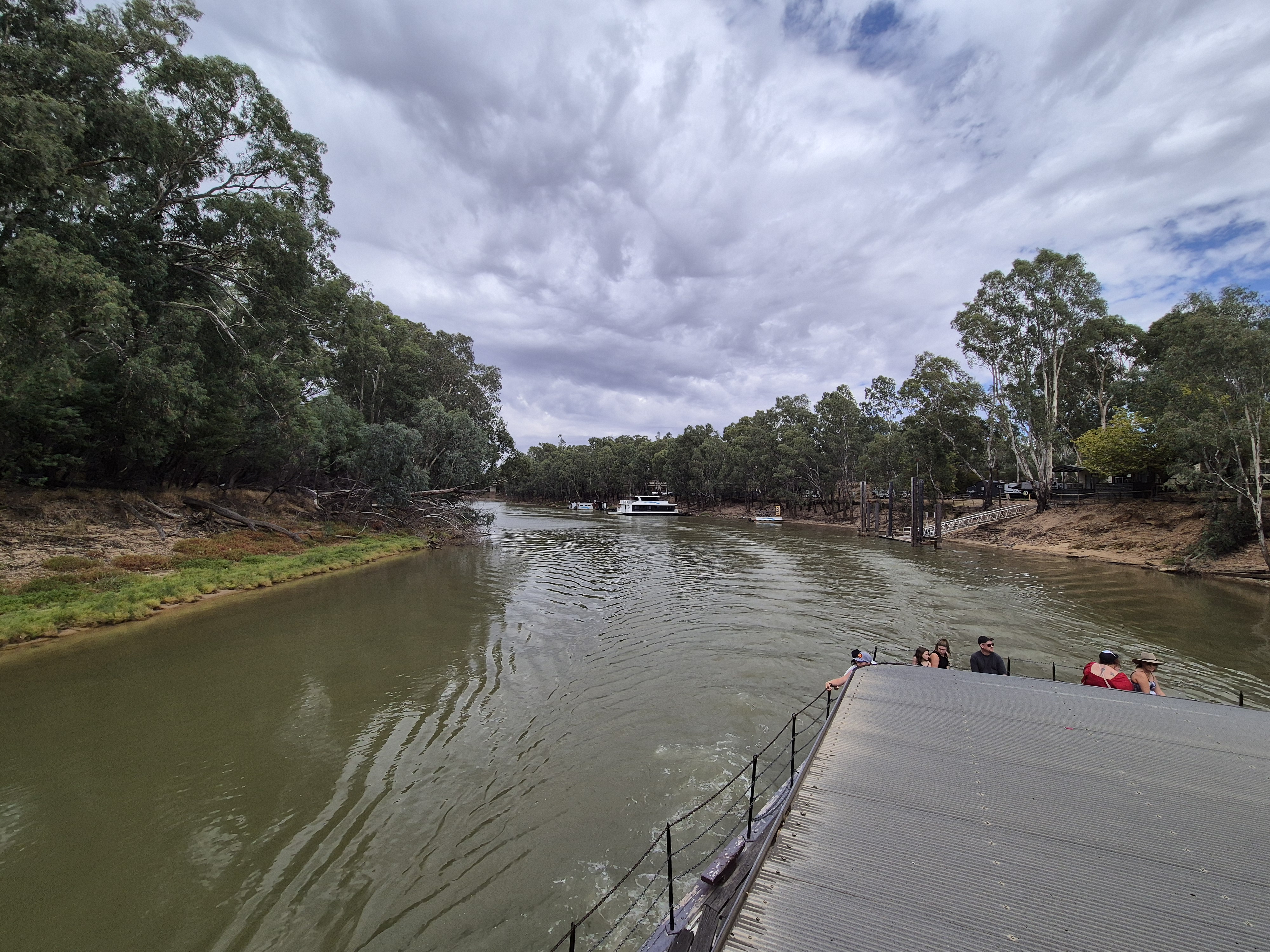
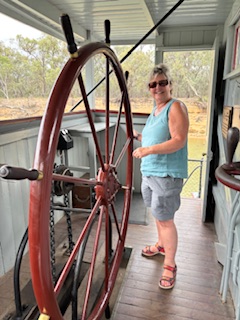
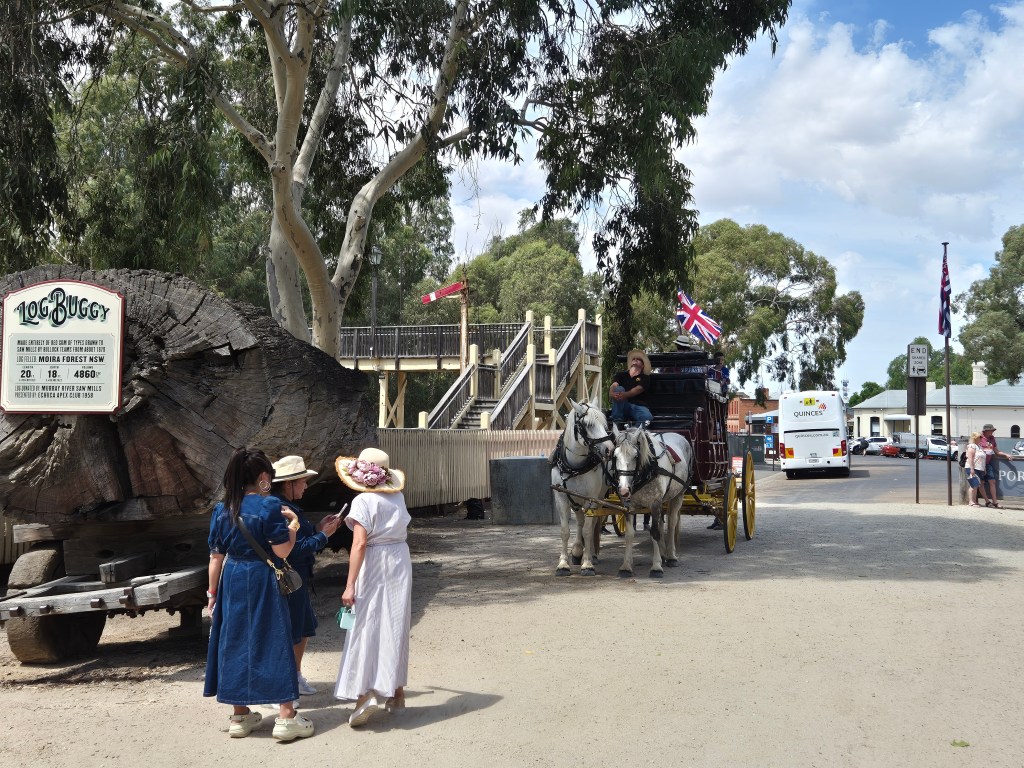
The port area has been restored sympathetically
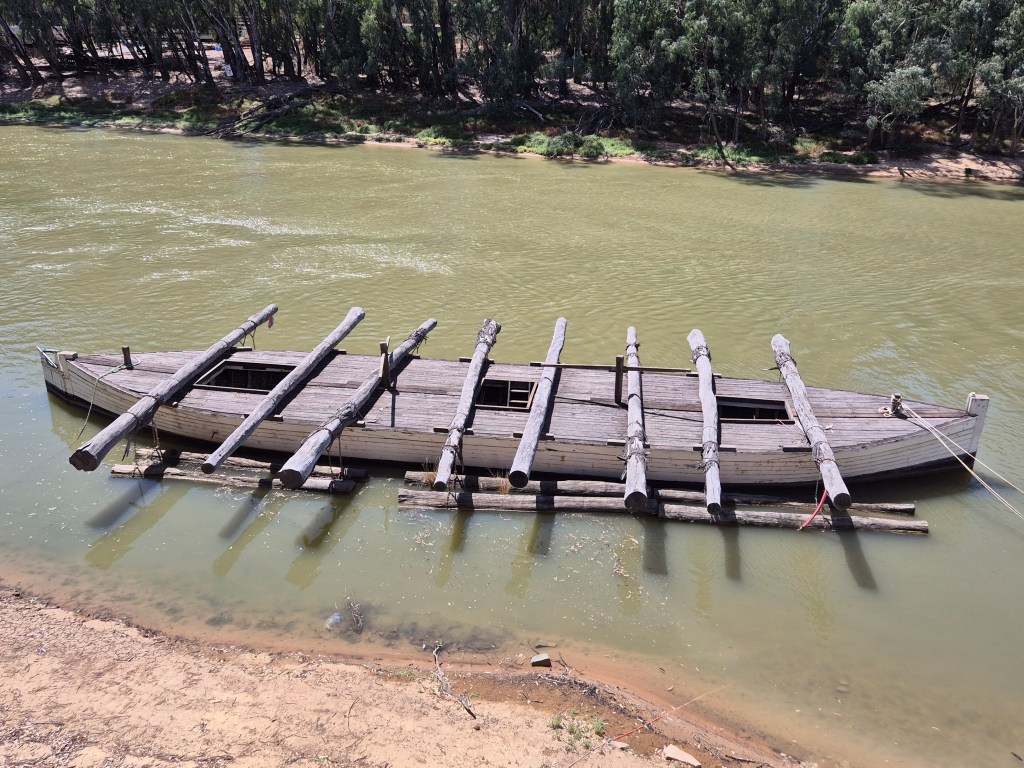
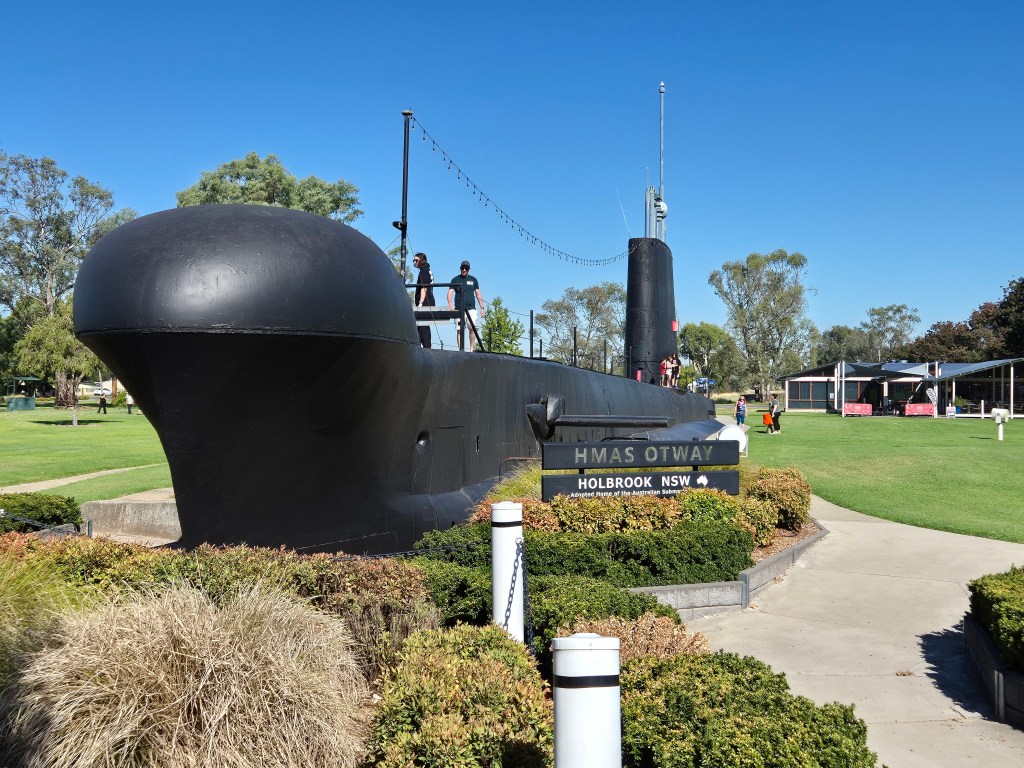
Heading east along the Murray river we crossed into New South Wales at Albury and continued to the town of Holbrook, named after and best known for it’s association with a Royal Navy submarine captain named Lieutenant Norman Douglas Holbrook, who received the Victoria Cross during World War I.
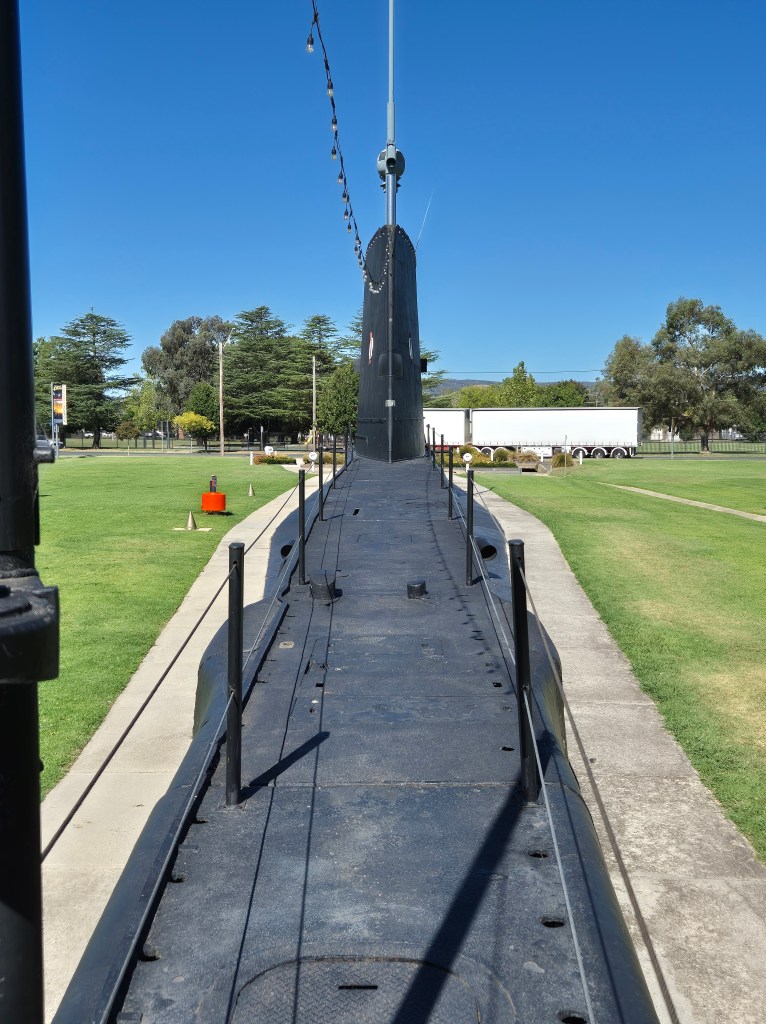
In the aftermath of WW1 the residents of what was then called Germantown, decided a name change was in order and rather shamelessly adopted the name of a war hero and then, in a stroke of genius well ahead of its time, adopted a real submarine from the Australian Royal Navy and hence created an inland tourist submarine attraction, well before tourism even existed. Today thousands of people a month stop and pay to visit the rather good submarine museum and walk on the top of a real submarine
Our motel was new yet already infamous online for its cockroaches and they conveniently provided a mammoth can of fly spray specifically so guests could help them reduce the population. Moving on our final stop before Sydney was Goulburn where we stayed opposite the cathedral in dismal weather.
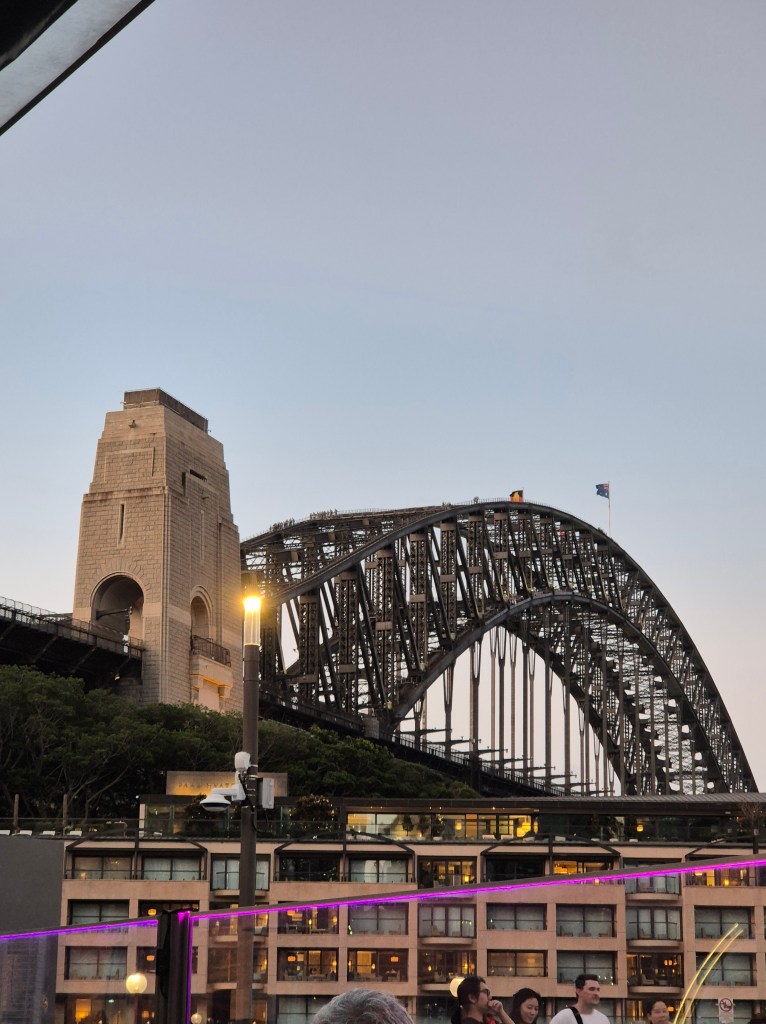
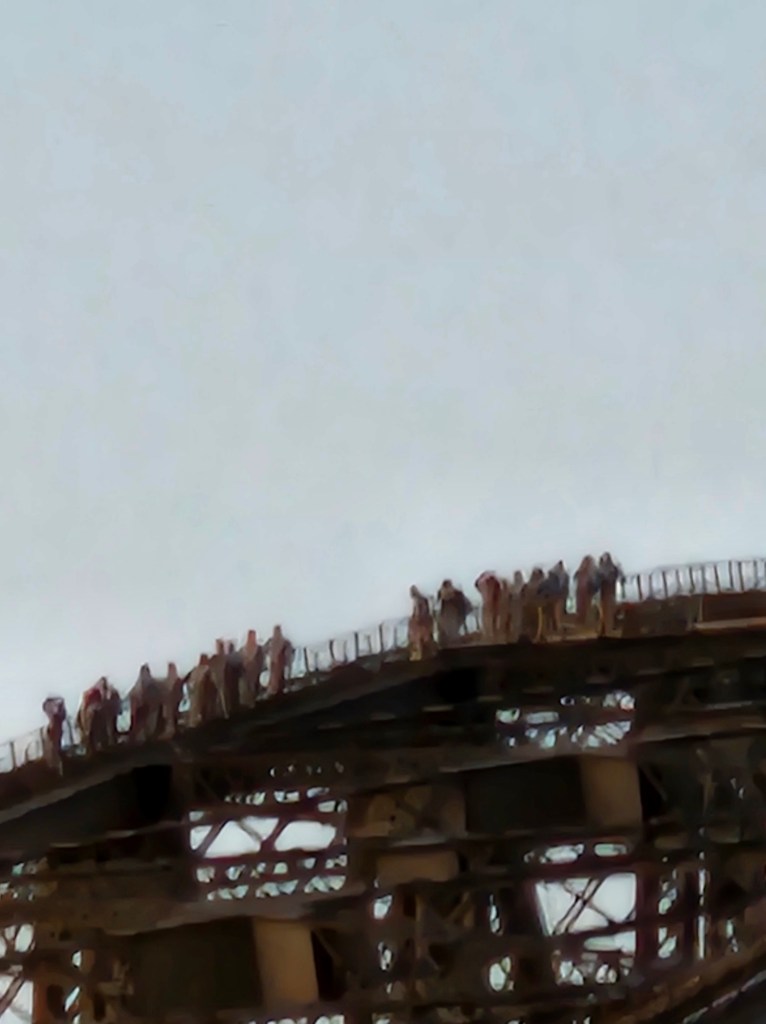
Finally, arriving in Sydney we treated ourselves to a meal at Luna Lu and watched tourists walking across Harbour Bridge
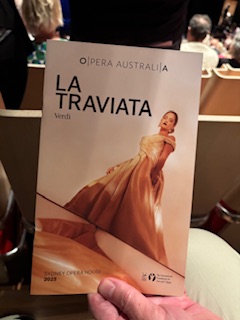
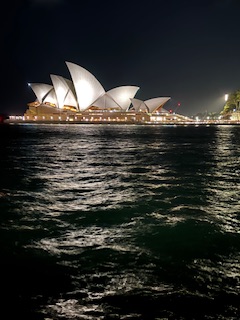
On our 2nd night, we had booked tickets at Sydney Opera House to see La Traviata, sung in Italian. Was this going to be a new cultural must for Andy in the future or just a one off? The setting & music was great and the storyline was shown with subtitles across the top of the stage. This meant you could both see and hear that the same line is sung over and over again…Opera is at times exciting, at times boring and we both nodded off a couple of times, probably due to pre drinks! Next stop Covent Garden .
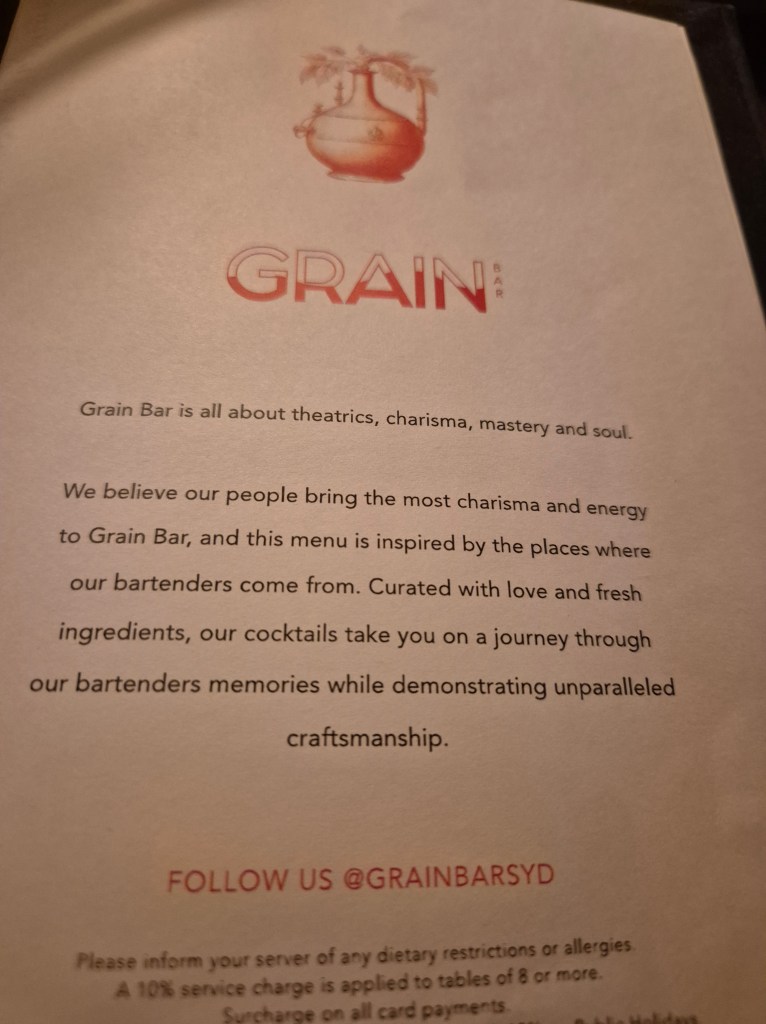
Needing some food the only option other than chips was the bar at the hotel, which had the most ridiculous advert for a pub, ever. The food was good though.
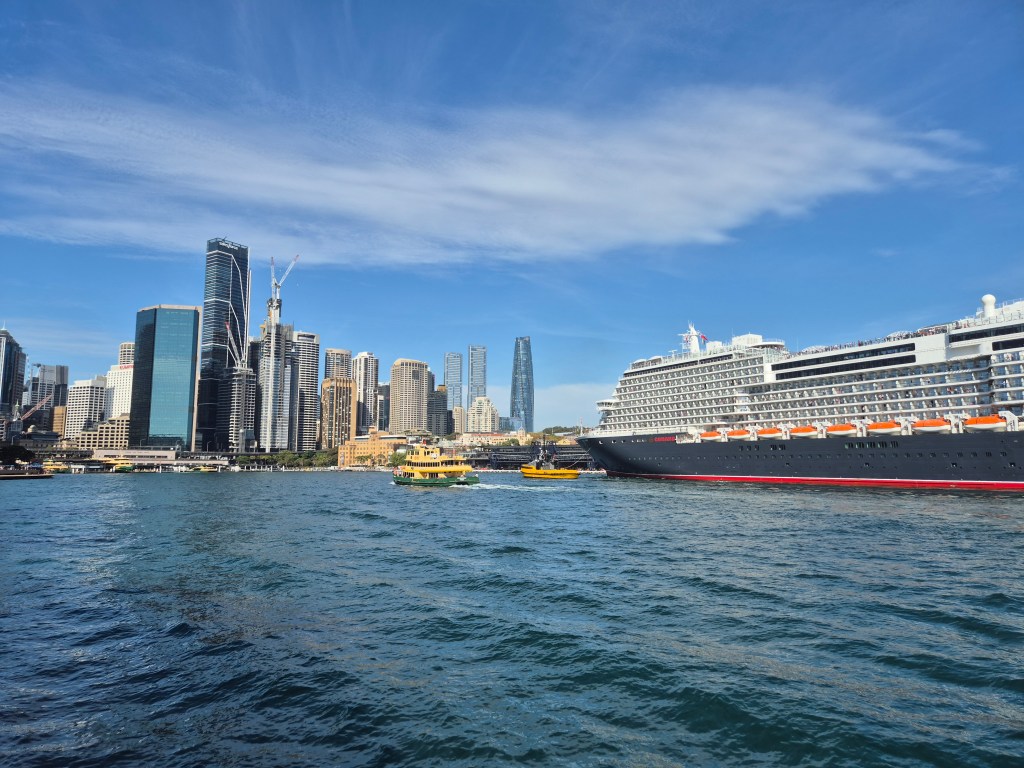
The next day Queen Anne arrived 2 hours late which meant it couldn’t dock until the rush hour ferries had finished. As this was her first trip to Sydney, she was honoured with a tug boat water show.


We had already had to change our plans as we had hoped to board at midday and disembark at 3pm to catch flights to Rockhampton to see Tali before leaving Australia. This further delay was giving us a more stressful time than we wanted. Would we make our new later flight?
To be continued………

 Our Travels 2024 - 2025
Leave a comment